
How to Understand TikTok Ads Reporting: A Complete Guide for Marketers
TikTok has become a powerful platform for marketers, offering unique opportunities to reach and engage with a vast audience. Understanding TikTok Ads reporting is essential for optimizing your advertising strategy and achieving measurable results. This guide will walk you through the key aspects of TikTok Ads reporting, helping you make informed decisions and improve your campaign performance.
Understanding TikTok Ads Reporting
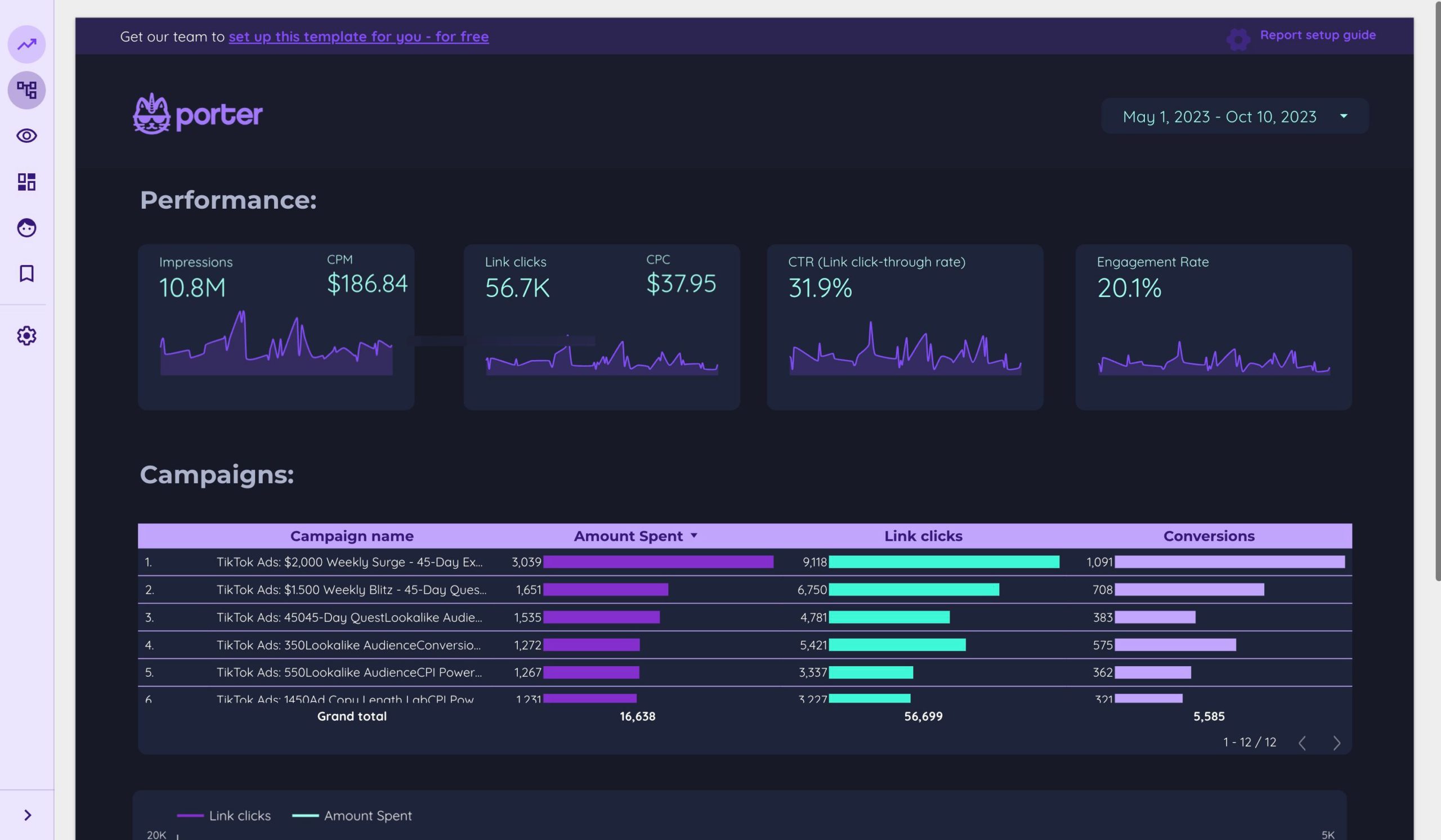
TikTok Ads reporting provides valuable insights into how your campaigns are performing. It allows you to track various metrics such as impressions, clicks, conversions, and more. By analyzing these metrics, you can gain a deeper understanding of your audience's behavior and the effectiveness of your ads.
Key Metrics to Track
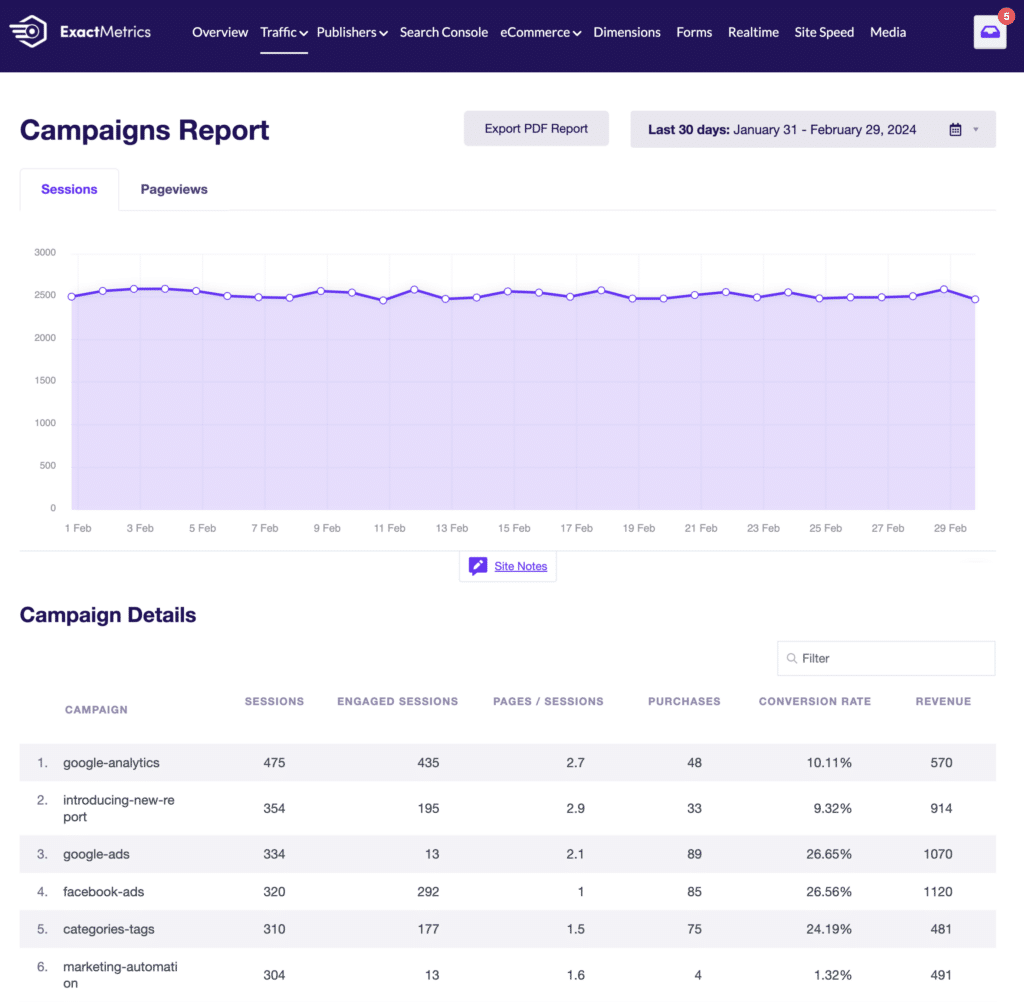
To effectively understand TikTok Ads reporting, it's crucial to focus on the following key metrics:
- Impressions: This metric measures the number of times your ad was displayed to users. It gives you an idea of your ad's reach and visibility.
- Clicks (Destination): This metric tracks the number of times users clicked on your ad and were redirected to a specific destination, such as a website or app.
- Click-Through Rate (CTR): CTR measures the percentage of users who clicked on your ad after seeing it. A higher CTR indicates that your ad is engaging and resonates with your audience.
- Conversion Rate (CVR): CVR measures the percentage of users who completed a desired action after clicking on your ad, such as making a purchase or signing up for a newsletter.
- Cost per Click (CPC): CPC is the cost you pay for each click on your ad. It helps you understand the efficiency of your ad spend.
- Cost per View (CPV): CPV measures the average cost you pay when a user views your video ad. It is particularly relevant for video-based campaigns.
- Cost per Action (CPA): CPA measures the cost you incur for each specific action taken by a user, such as a purchase or form submission.
- Cost per 1000 Impressions (CPM): CPM is the cost you pay for every 1000 impressions your ad receives. It is useful for brand awareness campaigns.
- Ad Spend: This metric tracks the total amount spent on your TikTok Ads campaigns.
- Return on Ad Spend (ROAS): ROAS measures the revenue generated from your ads compared to the cost of the ads. A higher ROAS indicates a more effective campaign.
How to Analyze TikTok Ads Performance
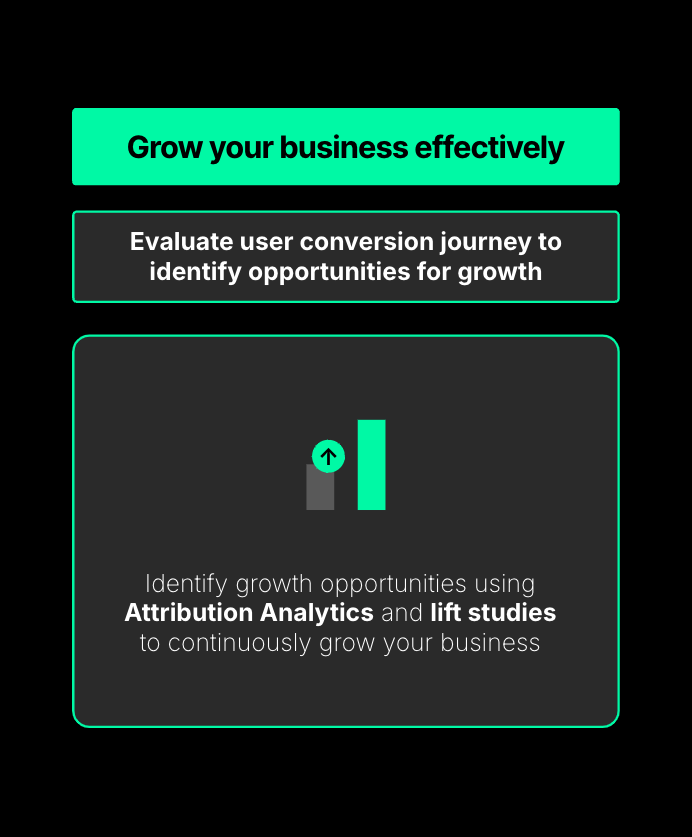
Analyzing TikTok Ads performance involves interpreting the data provided by the reporting tools. Here are some steps to help you analyze your TikTok Ads performance effectively:
- Set Clear Goals: Define what you want to achieve with your campaigns, whether it's increasing brand awareness, driving traffic, or generating sales.
- Track Relevant Metrics: Focus on the metrics that align with your goals. For example, if your goal is to increase sales, track conversion rate and ROAS.
- Compare Campaigns: Compare the performance of different campaigns to identify which strategies are working best. Look for patterns and trends in the data.
- Optimize Based on Data: Use the insights gained from your analysis to make data-driven decisions. Adjust your ad creatives, targeting, and bidding strategies based on what works best.
- Monitor Trends: Keep an eye on trends in your industry and adjust your campaigns accordingly. Stay updated with the latest features and updates on TikTok.
Best Practices for TikTok Ads Reporting

To get the most out of TikTok Ads reporting, consider the following best practices:
- Regularly Review Reports: Make it a habit to review your reports regularly. This will help you stay on top of your campaign performance and make timely adjustments.
- Use Custom Reports: Customize your reports to focus on the metrics that matter most to your business. This will provide a more tailored view of your campaign performance.
- Leverage Automation Tools: Use automation tools like Coupler.io to streamline your reporting process. These tools can help you track and analyze your data more efficiently.
- Test Different Strategies: Continuously test different ad formats, targeting options, and creatives to find what works best for your audience.
- Stay Informed: Keep yourself informed about the latest trends and updates on TikTok. This will help you adapt your strategies and stay ahead of the competition.
Conclusion

Understanding TikTok Ads reporting is crucial for any marketer looking to maximize the effectiveness of their campaigns. By tracking the right metrics, analyzing performance, and implementing best practices, you can optimize your TikTok Ads strategy and achieve better results. With the right approach, TikTok can become a powerful tool for driving growth and engagement for your brand.

Posting Komentar untuk "How to Understand TikTok Ads Reporting: A Complete Guide for Marketers"
Posting Komentar