
How to Use Interest Targeting in TikTok Ads: A Complete Guide
TikTok has become a powerful platform for advertisers, offering unique ways to connect with audiences through interest-based targeting. Unlike Facebook, where interests are often based on page likes or past behavior, TikTok's interest targeting is rooted in user consumption patterns—what they watch, rewatch, and share. This makes it a more dynamic and real-time method of audience segmentation.
For advertisers, understanding how to use TikTok ads interest targeting list effectively can mean the difference between a successful campaign and wasted budget. In this guide, we’ll walk you through the key strategies, best practices, and pitfalls to avoid when using interest targeting on TikTok.
Understanding TikTok’s Interest Targeting Layers
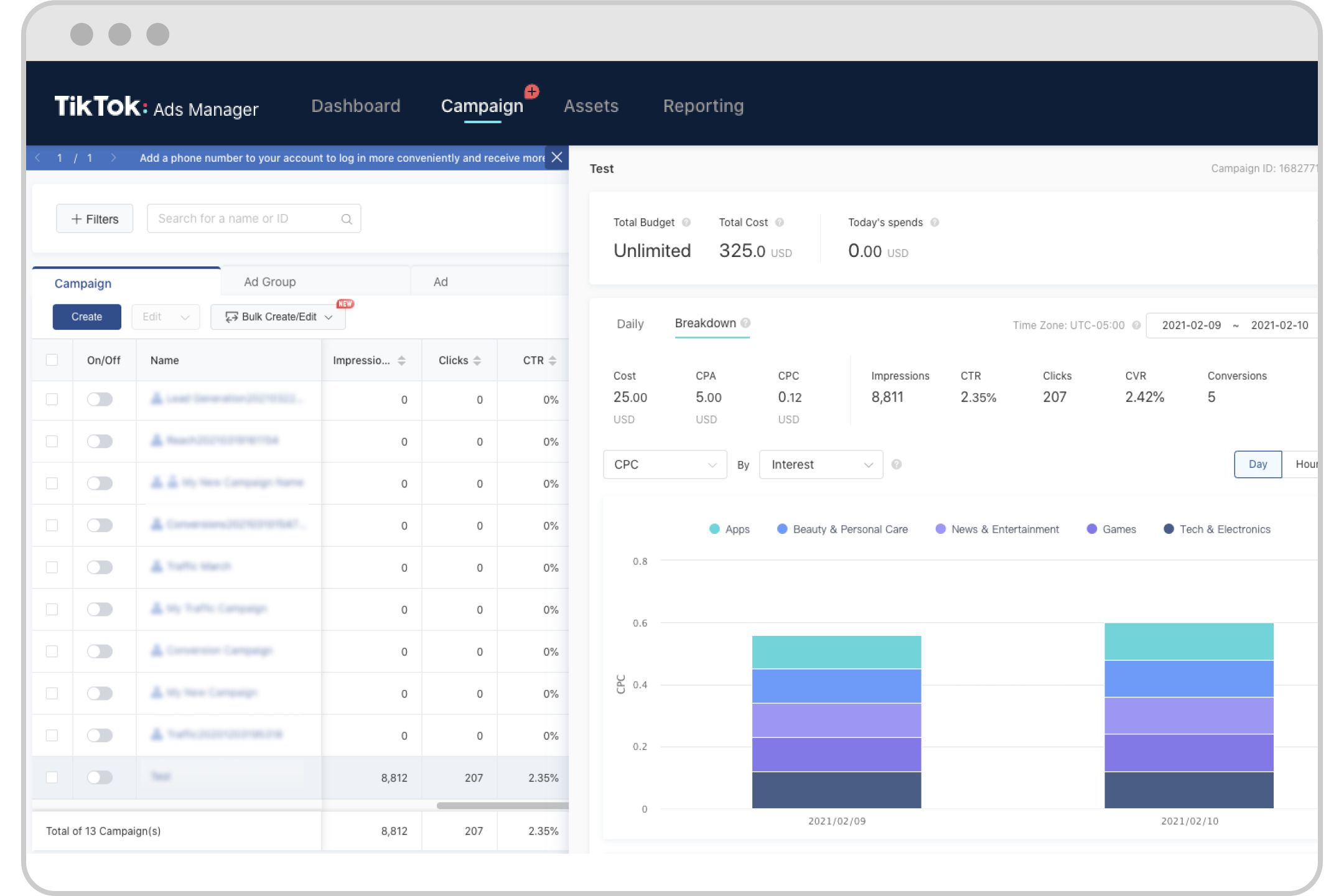
TikTok offers three main layers of targeting:
1. General Interests (The Broad Net)
General Interests are based on long-term user behavior. These are categories like "Beauty," "Travel," or "Gaming." While useful for top-of-funnel awareness, they tend to be too broad for conversion-focused campaigns.
- Best For: Brand awareness, data feeding for pixel tracking.
- Logic: Uses OR logic. If you select "Beauty" and "Travel," your ad shows to people who like either one—not both.
- Tip: Avoid using this alone for sales-driven campaigns.
2. Purchase Intent (The Shopper Net)
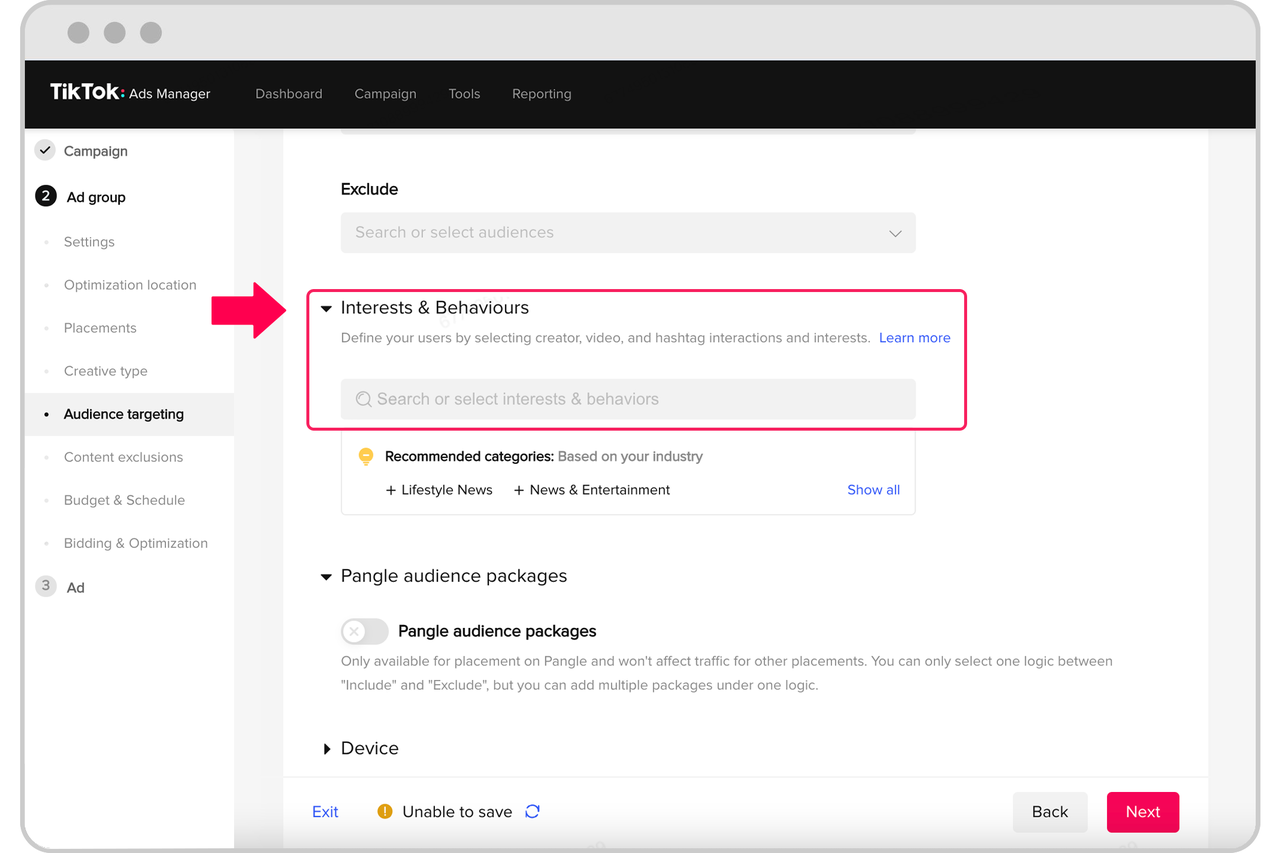
Purchase Intent is a newer feature that targets users who have recently shown active interest in purchasing. This includes actions like clicking "Buy Now" or adding items to a cart.
- Best For: Conversion campaigns, especially for e-commerce.
- Pro Tip: Always prioritize Purchase Intent over General Interests for sales-focused campaigns.
- How It Works: Users who clicked "Shop Now" on lipstick ads are targeted under the "Beauty" Purchase Intent category.
3. Behavioral Targeting (The Action Net)

Behavioral targeting focuses on specific actions users take, such as watching a video to the end, liking, commenting, or sharing. This is ideal for high-intent audiences.
- Best For: Creating high-intent audiences, especially for content-driven campaigns.
- Example: A user who shares a cooking video is more valuable than one who just watches it.
The Master List of Interest Categories

TikTok organizes its interest categories into Tier 1 (broad) and Tier 2 (niche). Here are some of the most relevant ones:
🛍️ eCommerce & Retail
- Apparel & Accessories
- Beauty & Personal Care
- Home Improvement
- Tech & Electronics
- Baby, Kids & Maternity
🎮 Entertainment & Gaming
- Games (by genre: RPG, Strategy, Casual)
- News & Entertainment (TV Shows, Movies, Anime)
🧠 Services & Education
- Financial Services (Investment, Crypto)
- Education (Language Learning, Vocational Training)
- Business Services (Marketing, Software)
✈️ Lifestyle & Hobbies
- Travel (Domestic, International)
- Automotive (Car Lovers, Motorcycles)
- Food & Beverage (Cooking, Restaurants)
- Pets (Cats, Dogs)
How to Stack Interests Correctly

Many novice advertisers make the mistake of selecting one broad interest (e.g., "Fitness") and wondering why their CPA is high. The solution lies in targeting stacks and behavioral layering.
1. Behavior Layering Strategy (Narrowing)
- Step 1: Select an interest (e.g., "Beauty & Personal Care").
- Step 2: Go to Video Interactions.
- Step 3: Filter by "Watched to the end + Commented" on videos related to the interest in the last 7 days.
This narrows your audience to engaged users rather than casual viewers.
2. Hashtag Proxy Strategy
Instead of relying solely on interest categories, target hashtags. For example, instead of "Marketing," target #marketinghacks or #shopifydropshipping.
- Why It Works: Niche hashtags attract highly engaged users who are actively searching for content.
3. The Broad Pivot (Smart+)
In 2025, TikTok’s Smart+ Campaigns (AI-driven targeting) often outperform manual interest stacks. If your creative is clear and specific, let the algorithm do the work.
Key Tips for Effective Interest Targeting

- Prioritize Purchase Intent for Sales: Use this for conversion campaigns, not general awareness.
- Avoid the OR Logic Trap: Selecting multiple interests expands your audience. Use behavioral layering to narrow it.
- Use Hashtags for Niche Communities: They often outperform broad interest categories.
- Set the Right Time Window: Use 7 days for high-intent audiences and 15 days for broader awareness.
- Test Smart+ Campaigns: AI targeting can outperform manual setups in many cases.
Final Thoughts
TikTok’s interest targeting is a powerful tool, but it requires a nuanced approach. Unlike Facebook, where interests are static, TikTok’s are dynamic, reflecting what users are currently consuming.
To win in 2026:
- Prioritize Purchase Intent over General Interests for sales.
- Use Behavioral Layering to filter for quality.
- Leverage Hashtags to reach micro-communities.
- Combine Age and Interest Targeting for maximum precision.
By focusing on real-time engagement and actionable data, you can create campaigns that resonate with your audience and drive measurable results.

Posting Komentar untuk "How to Use Interest Targeting in TikTok Ads: A Complete Guide"
Posting Komentar