
How to Use TikTok for Business Advertising: A Complete Tutorial
TikTok has evolved from a platform for short-form entertainment into a powerful tool for businesses looking to connect with their audience, drive sales, and build brand awareness. With over 1 billion active users globally, including a significant portion in the United States, TikTok offers an unparalleled opportunity for brands to reach Gen Z and millennial audiences. This guide will walk you through the essential steps to create a successful TikTok advertising strategy that leverages trends, engages viewers, and converts views into sales.

Understanding TikTok’s Unique Algorithm
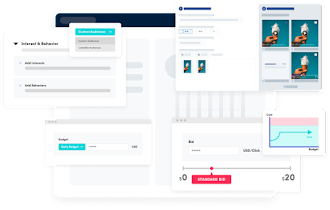
Unlike traditional social media platforms, TikTok operates on a discovery-based algorithm that prioritizes content performance over follower count. The For You Page (FYP) is where most engagement happens, and it’s driven by user behavior such as watch time, shares, and comments. This means that even brands with small followings can gain visibility if their content resonates with the audience.
Key differences between TikTok and other platforms include:
- Interest Graph: TikTok recommends content based on what users watch, rewatch, and search for, rather than their existing social connections.
- Content-First Distribution: Strong videos can outperform months of posting because they are distributed based on performance signals.
- Short Attention Span Optimization: Users scroll quickly, so your video must hook them within the first few seconds.
Step-by-Step Guide to Building a TikTok Marketing Strategy
1. Define Clear Goals
Start by identifying your primary objective. Are you aiming for brand awareness, lead generation, direct sales, or app installs? Your content and metrics should align with this goal.
- Brand Awareness: Focus on reach, watch time, shares, and follows.
- Lead Generation: Drive clicks to landing pages, quizzes, or newsletters using CTAs like “Comment to get.”
- Direct Sales: Highlight product proof through UGC, demos, and comparisons.
- App Installs: Showcase the problem your app solves and use clear CTAs.
2. Identify Your Target Audience
TikTok audiences are segmented by interests and behaviors. Understand who your ideal customers are by analyzing their search, save, comment, and purchase patterns.
- Behavioral Segmentation: Look at segments like “deal hunters,” “routine viewers,” or “DIY learners.”
- Interest Clusters: Identify topics your customers binge, such as skincare routines or budget hacks.
- Trend Participation Patterns: Track which trends resonate with your audience and how they engage with them.
3. Analyze Competitors and Viral Content

Study your competitors’ content to identify gaps and opportunities. Look at what they post frequently and what they don’t explain well, such as pricing clarity or product benefits.
- Content Gap Analysis: Find areas where competitors lack depth and fill those gaps.
- Hook Patterns: Save openings that consistently win, such as bold claims or quick demos.
- Video Structure: Most viral brand videos follow a structure: Hook → Proof → Payoff → CTA.
4. Build a TikTok Content Strategy
Create a content system that’s easy to repeat and improves through testing. Use the following content pillars:
- Educational: How-tos, myths, tips, and breakdowns.
- Entertaining: Trend-led content, relatable humor, and POVs.
- Promotional: Demos, offers, testimonials, and comparisons.
Use trends as a delivery mechanism for your message, but only if they align with a customer problem in one sentence. Avoid forcing trends that don’t fit your brand.
5. Create a Posting & Testing Framework

Consistency matters, but so does learning. Start with 3–5 posts per week, focusing on quality and retention. Test hooks, angles, and CTAs to see what works best.
- A/B Testing Hooks: Test one variable at a time—hook line, first visual, angle, or CTA.
- First 3-Second Retention Strategy: Use movement, a clear promise, or instant proof to stop the scroll.
- Simple Testing Loop: Post → review retention + shares → make 2 improved versions → repeat weekly.
6. Leverage TikTok SEO
TikTok is now a search-driven platform. Optimize your content for search by using keywords in captions, on-screen text, and voiceovers.
- Keyword-Based Captions: Write captions like mini search answers, including your primary keyword naturally.
- On-Screen Text Optimization: Put the main keyword or question on screen.
- Voiceover Keywords: Say the keyword out loud in the first 5–8 seconds.
- Search Intent Targeting: Create videos that match real queries like “how to develop a TikTok marketing strategy.”
Effective TikTok Ad Formats

Once your organic content proves traction, paid ads can help scale your reach. Consider the following ad formats:
- In-Feed Native Ads: Native-style ads that appear in the For You Page.
- Spark Ads: Boost high-performing organic or creator content.
- Collection Ads: Ideal for ecommerce catalogs.
- Lead Generation Ads: Collect leads directly through the app.
Test variables in structured batches, such as hook variations, different CTAs, and problem vs. benefit angles. Pause low-retention ads quickly and scale those with strong watch time and high CTR.
Tracking Key Performance Indicators (KPIs)

To refine your strategy, track the following KPIs:
- Engagement Metrics: Watch time, completion rate, and shares.
- Conversion Metrics: CTR, CPA, and ROAS.
- Algorithm Signals: Strong first 3-second retention, rewatches, comments, and keyword relevance.
Common Mistakes to Avoid
Avoid these pitfalls to ensure a sustainable TikTok strategy:
- Overproduced Content: Authentic videos often outperform polished ads.
- Ignoring Trends: Refusing to adapt to TikTok culture limits reach.
- Selling Too Aggressively: Value and entertainment should come before purchase prompts.
- Not Optimizing for Search: Ignoring TikTok SEO reduces long-term discoverability.
- Not Testing Hooks: Weak openings kill performance before the message is delivered.
Final Thoughts
TikTok offers a unique opportunity for businesses to connect with their audience in a fun, engaging, and effective way. By understanding the platform’s algorithm, defining clear goals, and creating content that resonates with your audience, you can turn TikTok into a powerful growth engine. Whether you’re a small business or a large brand, a well-crafted TikTok strategy can help you stand out in a crowded market and drive real results.
Remember, consistency, creativity, and data-driven decisions are key to success on TikTok. Keep experimenting, testing, and refining your approach to stay ahead of the curve.

Posting Komentar untuk "How to Use TikTok for Business Advertising: A Complete Tutorial"
Posting Komentar