
TikTok Ads Targeting Options Explained: A Complete Guide for Marketers
TikTok has evolved from a platform for short-form entertainment into a powerful tool for brand marketing and e-commerce. With its unique algorithm and user behavior, TikTok offers marketers a variety of targeting options to reach their ideal audience effectively. Whether you're launching a new product or scaling your existing strategy, understanding how to use TikTok's ad targeting is crucial. This guide will walk you through the key targeting options available on TikTok, helping you create more effective and engaging campaigns.

Understanding TikTok’s Advertising Ecosystem

Before diving into the specifics of targeting, it's important to understand how TikTok's advertising system works. Unlike traditional social media platforms, TikTok's For You Page (FYP) drives most of the engagement. This means that your ads need to be optimized for this environment, where users are constantly scrolling and looking for content that grabs their attention quickly.
TikTok ads can appear in several formats, including:
- In-feed ads
- TopView ads
- Spark Ads
- Collection ads
- Lead generation ads
Each format has its own targeting options, but the core principles of audience targeting remain consistent across all.
Key Targeting Options on TikTok
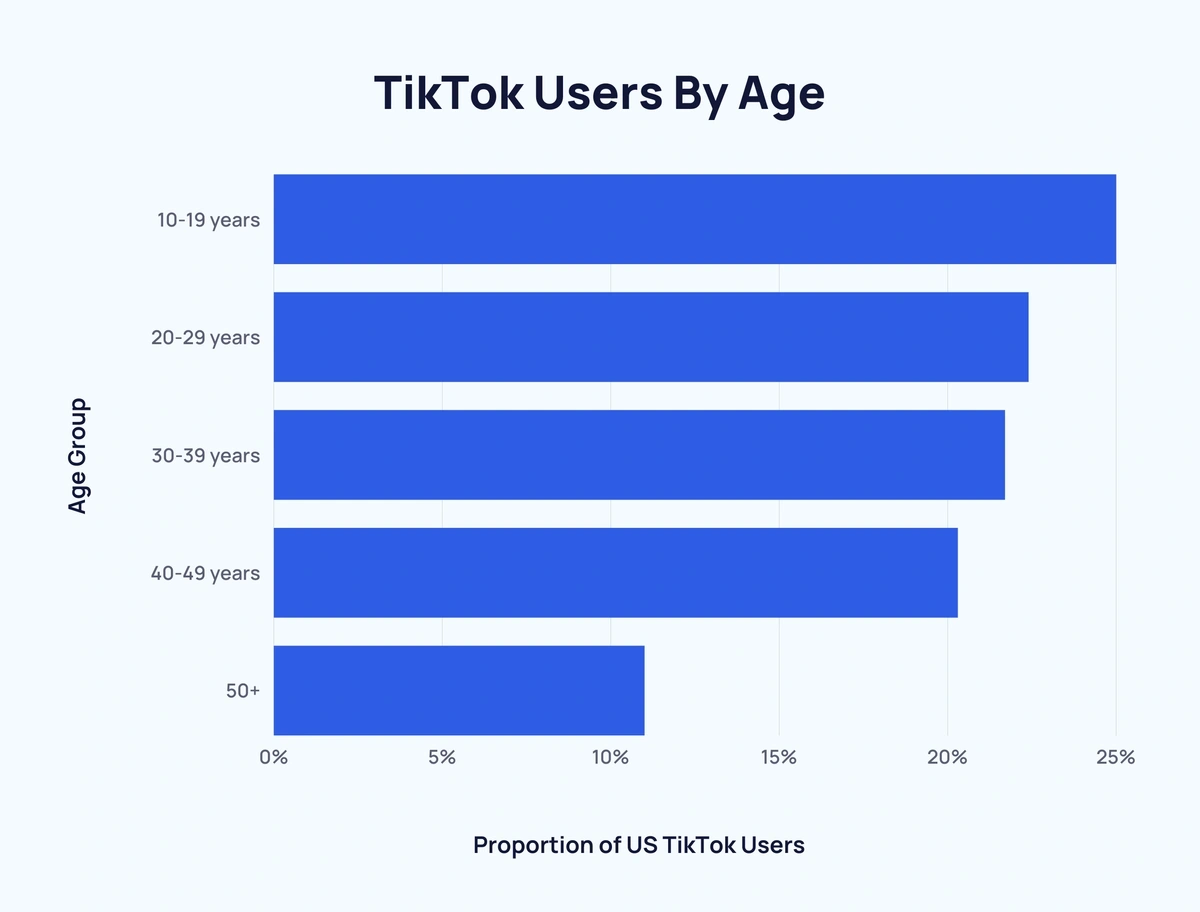
1. Demographic Targeting
TikTok allows you to target users based on age, gender, and location. This is especially useful if your product or service is tailored to a specific demographic. For example, if you're selling skincare products, you might want to target users aged 18-34, as this group is more likely to engage with beauty-related content.
- Age: Choose from predefined ranges (e.g., 18-24, 25-34).
- Gender: Select male, female, or non-binary.
- Location: Target specific countries, cities, or even zip codes.
2. Interest-Based Targeting
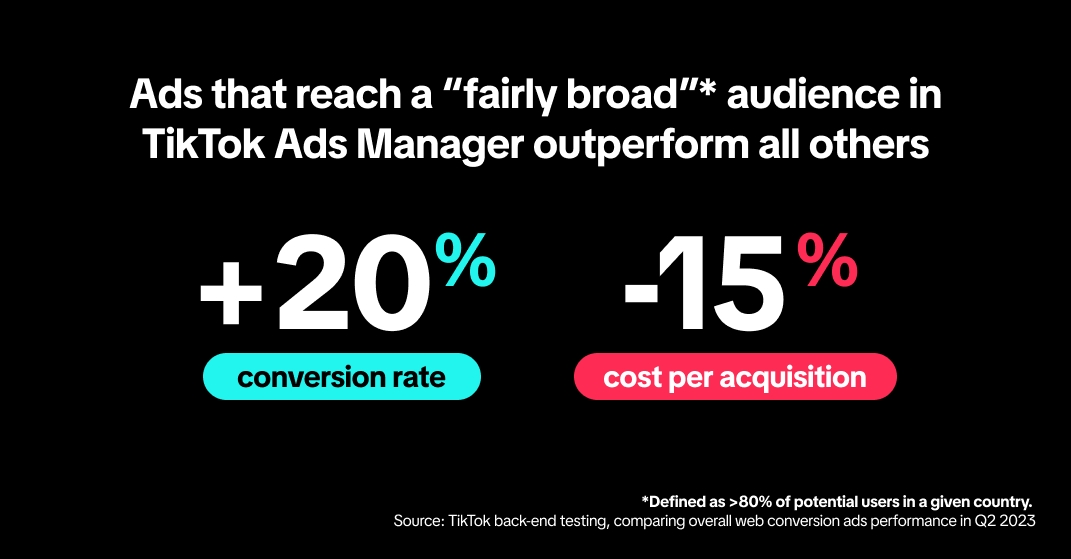
TikTok's algorithm is built around the "interest graph," meaning it serves content based on what users watch, rewatch, and search for. Interest-based targeting allows you to reach users who have shown an interest in topics related to your product or service.
- Topics: Choose from a wide range of categories such as fashion, technology, food, and fitness.
- Keywords: Use specific keywords to target users searching for certain terms.
- Behaviors: Target users based on their online activities, such as shopping habits or device usage.
3. Behavioral Targeting

This option allows you to target users based on their past interactions with your brand or similar brands. For example, you can target users who have previously visited your website, engaged with your content, or made a purchase.
- Website Traffic: Target users who have visited your website.
- Engagement: Target users who have liked, commented, or shared your content.
- Purchase History: Target users who have made a purchase on your site or a competitor's site.
4. Custom Audiences
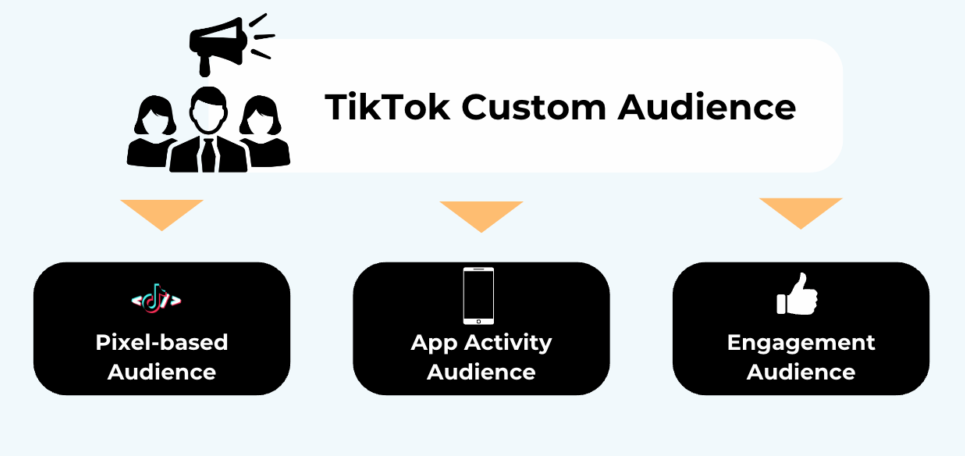
Custom audiences allow you to upload your own customer data to target users who have already interacted with your brand. This is particularly useful for retargeting campaigns.
- Email Lists: Upload your email list to target users who have opted in.
- App Activity: Target users who have used your app or a competitor's app.
- Website Visitors: Target users who have visited your website.
5. Lookalike Audiences
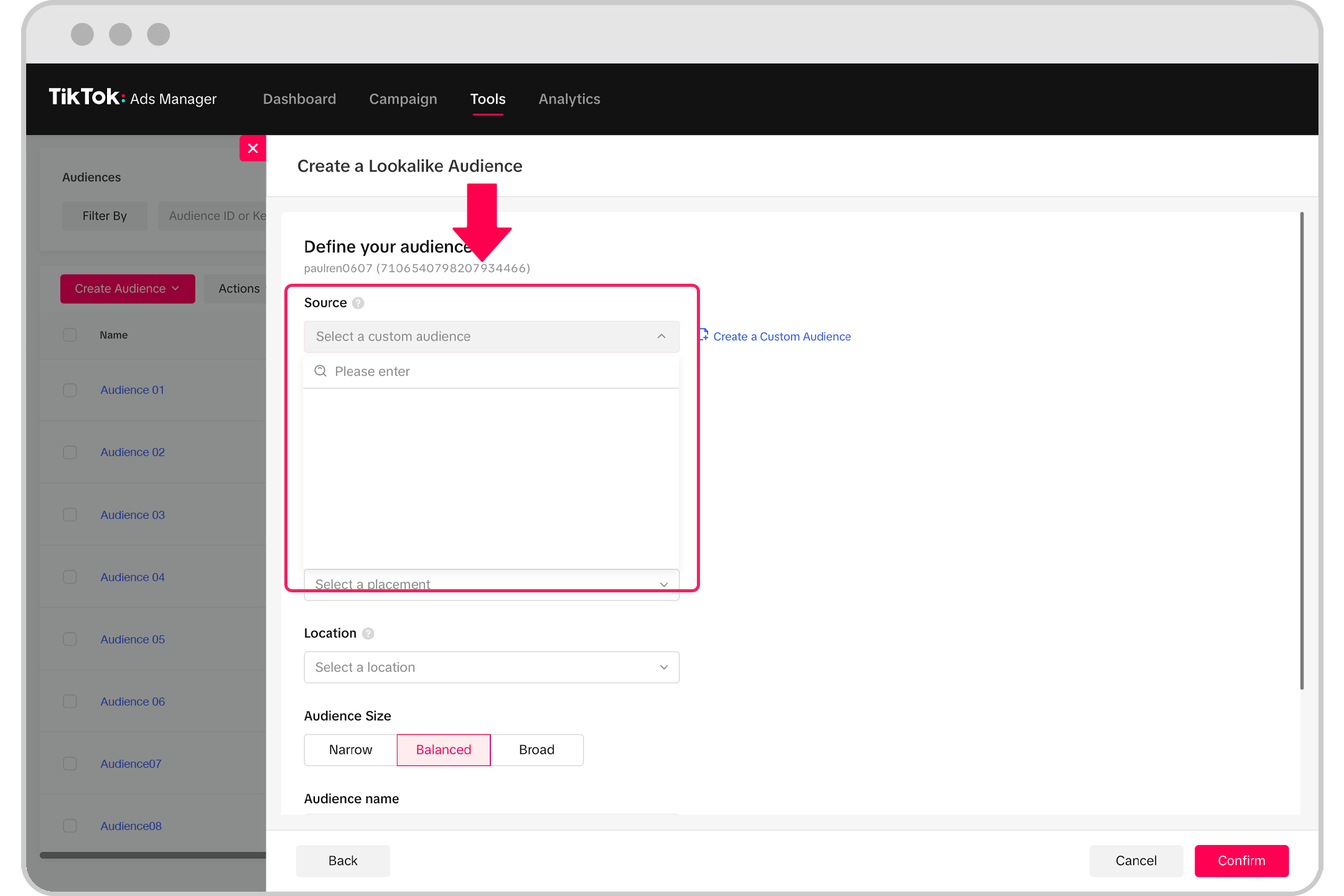
Lookalike audiences are similar to custom audiences but are generated by TikTok's algorithm based on your existing customers. This helps you find new users who are likely to be interested in your product or service.
- Similar Users: Target users who have similar characteristics to your existing customers.
- Expanded Reach: Grow your audience by targeting users who are similar to your best-performing customers.
6. Contextual Targeting
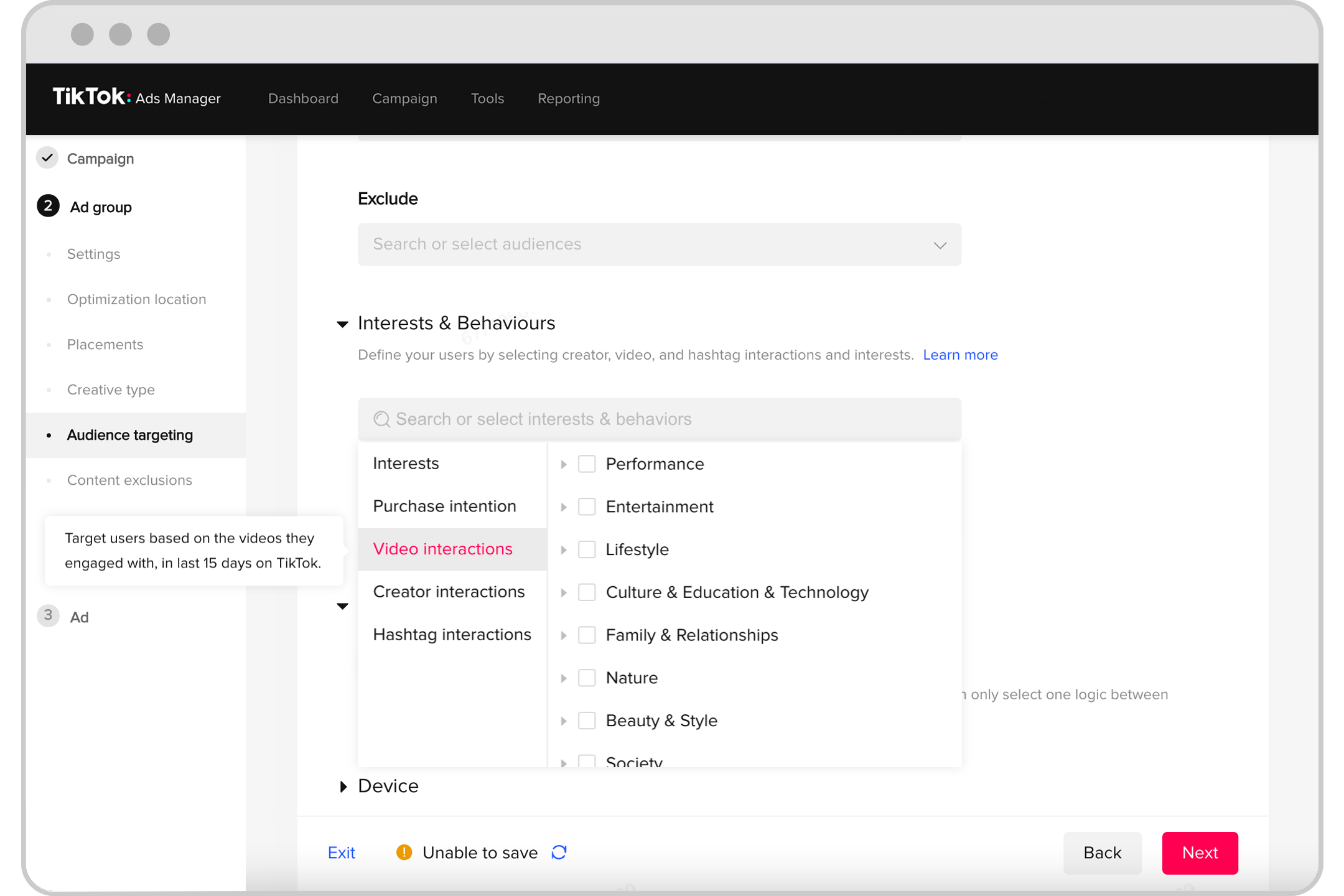
Contextual targeting allows you to place your ads in front of users who are watching content related to your product or service. This is ideal for brands that want to ensure their ads are seen by the right audience at the right time.
- Content Themes: Target users who are watching videos related to your industry.
- Hashtags: Target users who are engaging with specific hashtags.
- Trends: Target users who are participating in popular trends.
Best Practices for TikTok Ad Targeting

To maximize the effectiveness of your TikTok ads, consider the following best practices:
- Start Small: Begin with a small audience and gradually expand as you gather data.
- Test Multiple Options: Experiment with different targeting options to see what works best for your campaign.
- Use Retargeting: Retarget users who have engaged with your content or visited your website.
- Optimize for Mobile: Ensure your ads are mobile-friendly, as most TikTok users access the app on their phones.
- Monitor Performance: Track your ad performance regularly and make adjustments as needed.
Conclusion

TikTok's ad targeting options provide marketers with a powerful way to reach their ideal audience. By understanding and leveraging these options, you can create more effective and engaging campaigns that drive results. Whether you're targeting based on demographics, interests, behaviors, or custom audiences, the key is to continuously test and optimize your approach. With the right strategy, TikTok can become a valuable asset in your marketing toolkit.
Posting Komentar untuk "TikTok Ads Targeting Options Explained: A Complete Guide for Marketers"
Posting Komentar