
Understanding TikTok Ads Policy and Guidelines: What You Need to Know
TikTok has become a dominant force in the digital advertising landscape, with its vast user base and engaging content format. As businesses look to capitalize on this platform, understanding TikTok's ads policy and guidelines is essential. These policies ensure that ads are not only compliant but also effective in reaching the right audience. This article will explore the key aspects of TikTok’s advertising policies, how they impact advertisers, and what you need to know to create successful campaigns.
Key Components of TikTok’s Advertising Policies

TikTok’s advertising policies are designed to maintain a safe, transparent, and engaging environment for both users and advertisers. Here are some of the core components:
1. Content Restrictions
TikTok has strict rules about the type of content that can be advertised. Certain topics such as illegal activities, drugs, and violence are prohibited. Advertisers must ensure their creatives and landing pages do not promote or display any content related to these topics. The policies may vary by region, so it's important to check local regulations before launching a campaign.
2. Age and Demographic Compliance

TikTok requires that all users be at least 13 years old. Advertisers must ensure their targeting aligns with this age requirement. Additionally, certain products like alcohol, gambling, and prescription medications have specific restrictions. For example, in Belgium and France, invasive cosmetic procedures are restricted, while in other regions, different rules may apply.
3. Ad Format Guidelines

TikTok offers various ad formats, including in-feed video ads, brand takeover ads, top-view ads, collection ads, and branded hashtag challenges. Each format has its own set of guidelines regarding length, placement, and content. For instance, in-feed video ads should be between 5 and 60 seconds, with the optimal range being 9 to 15 seconds. Advertisers must also ensure that their content adheres to the recommended aspect ratio (9:16) and resolution options.
4. Prohibited Products and Services
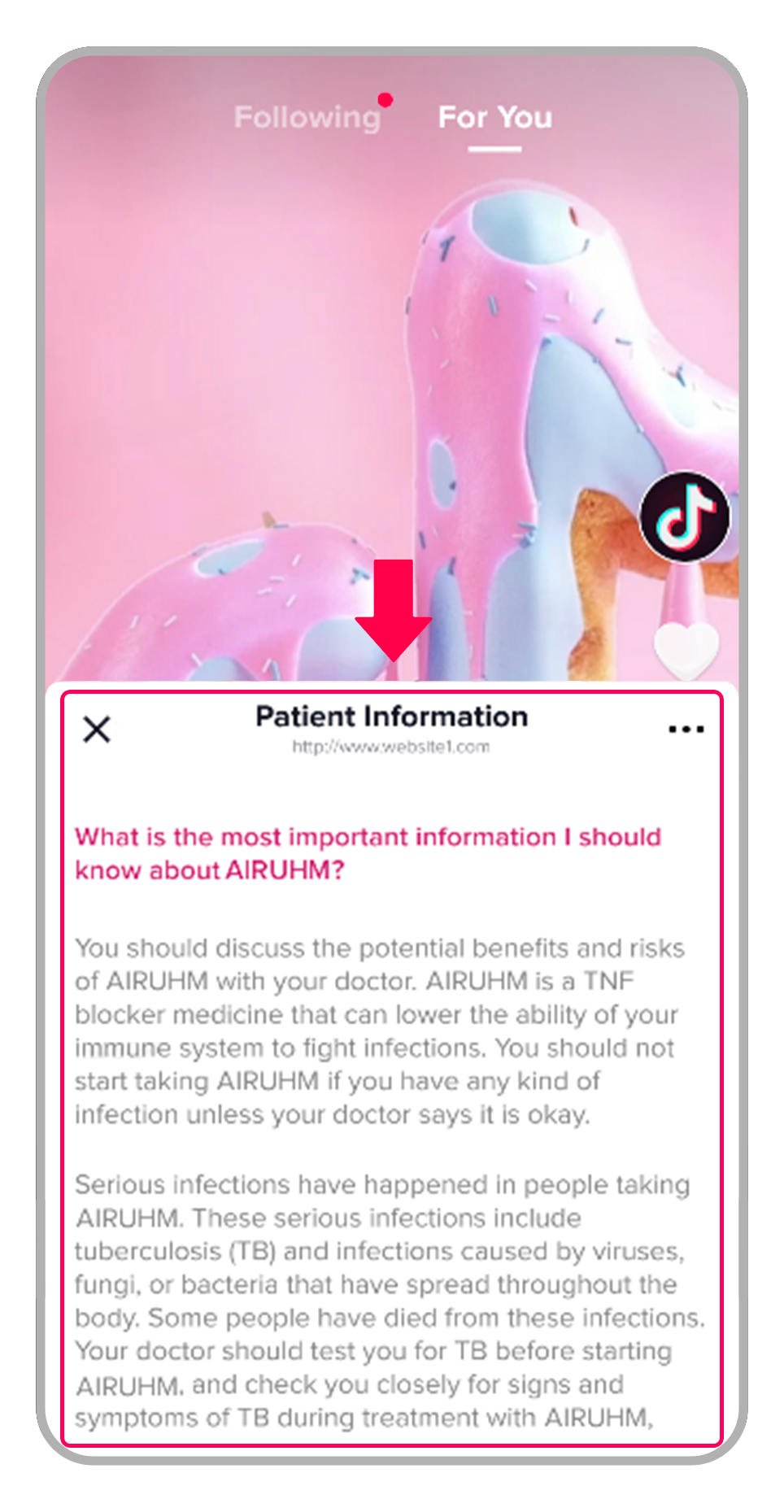
Certain products and services are entirely banned from being advertised on TikTok. These include alcohol, digital currencies, gambling, prescription medication, and invasive cosmetic procedures. Advertisers must avoid promoting these items and ensure their campaigns comply with these restrictions.
5. Data Privacy and User Consent
TikTok requires that all ads comply with data privacy laws, including the General Data Protection Regulation (GDPR) and the California Consumer Privacy Act (CCPA). Advertisers must obtain user consent for data collection and ensure that their campaigns do not violate these regulations.
How to Navigate TikTok’s Advertising Policies
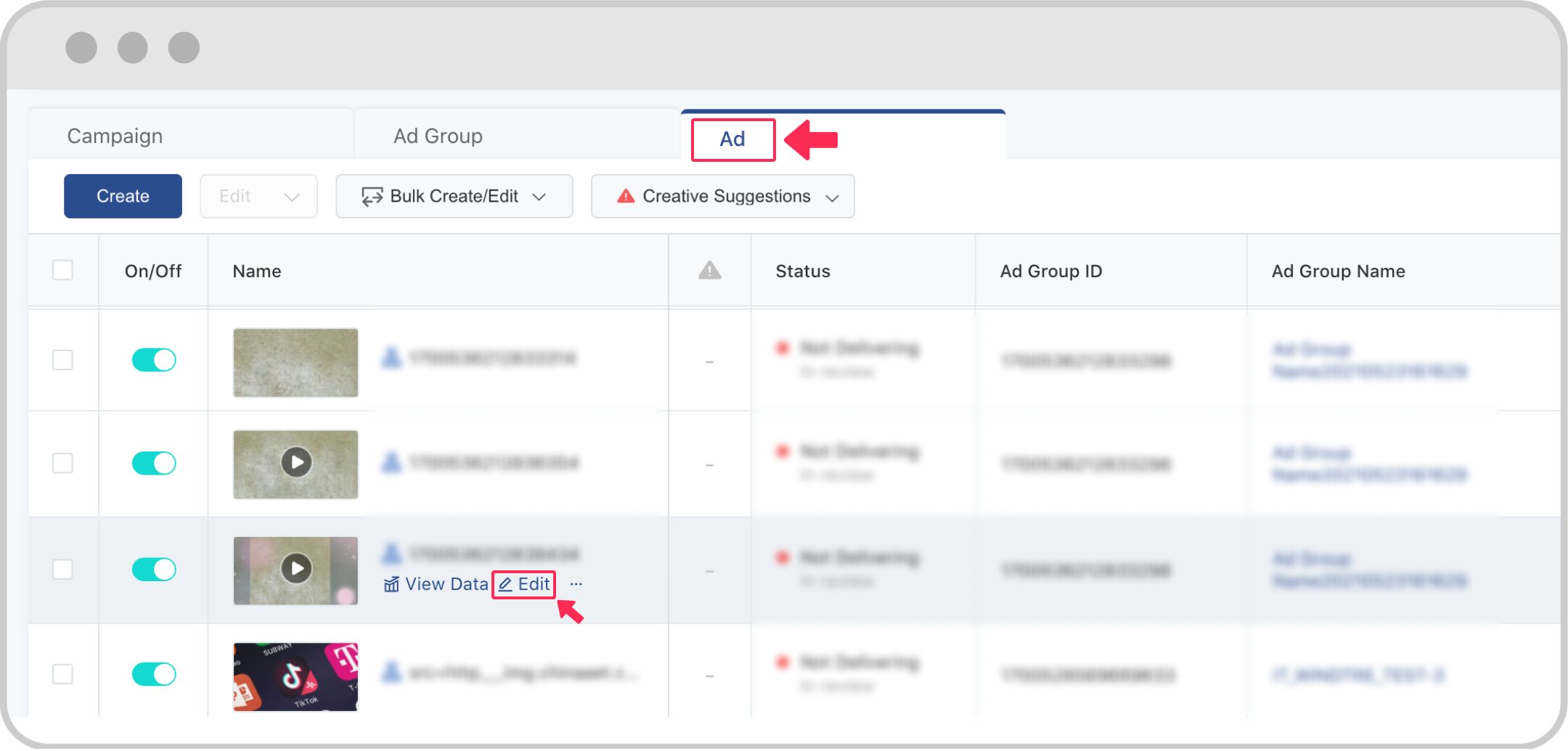
Navigating TikTok’s advertising policies can be complex, but there are several steps you can take to ensure your campaigns are compliant and effective:
1. Review TikTok’s Official Guidelines
Before launching any campaign, review TikTok’s official ad policies and guidelines. These resources provide detailed information on what is allowed and what is prohibited. You can find these guidelines on TikTok’s Business website.
2. Use Ad Check Tools
TikTok offers an Ad Check tool that helps advertisers verify their ads against the platform’s policies. This tool cross-references submitted ads against a comprehensive database of guidelines, ensuring that your content meets all requirements. It is particularly useful for checking compliance with industry-specific rules.
3. Understand Regional Regulations

TikTok’s policies may vary by region, so it’s crucial to understand the local regulations that apply to your target audience. For example, the rules around alcohol advertising may differ between the United States and Europe. Always consult local laws to ensure your campaigns are compliant.
4. Work with Certified Partners
Consider working with certified TikTok partners who have experience navigating the platform’s policies. These partners can help you create campaigns that are both compliant and effective, saving you time and reducing the risk of policy violations.
5. Monitor and Adjust Campaigns

Once your campaign is live, continuously monitor its performance and adjust as needed. Use TikTok’s built-in analytics tools to track key metrics such as click-through rate (CTR), cost-per-click (CPC), and impressions. If your campaign is not performing well, make adjustments to improve engagement and compliance.
Best Practices for Compliant and Effective TikTok Advertising
In addition to following TikTok’s policies, there are several best practices that can help you create successful and compliant campaigns:
1. Create Authentic and Engaging Content
TikTok users value authenticity and creativity. Focus on creating content that resonates with your target audience and aligns with the platform’s trends. Use trending hashtags, sounds, and challenges to increase visibility and engagement.
2. Use Strong Call-to-Actions (CTAs)
A compelling CTA can significantly impact the success of your campaign. Avoid overly salesy language and instead focus on highlighting the benefits for your audience. For example, use CTAs like “Get These Tips for a Healthy Diet” rather than “Buy Now.”
3. Leverage Influencer Partnerships
Collaborating with TikTok influencers can help you reach a larger audience and build trust with potential customers. Choose influencers who align with your brand values and have a genuine connection with their followers.
4. Optimize for Mobile
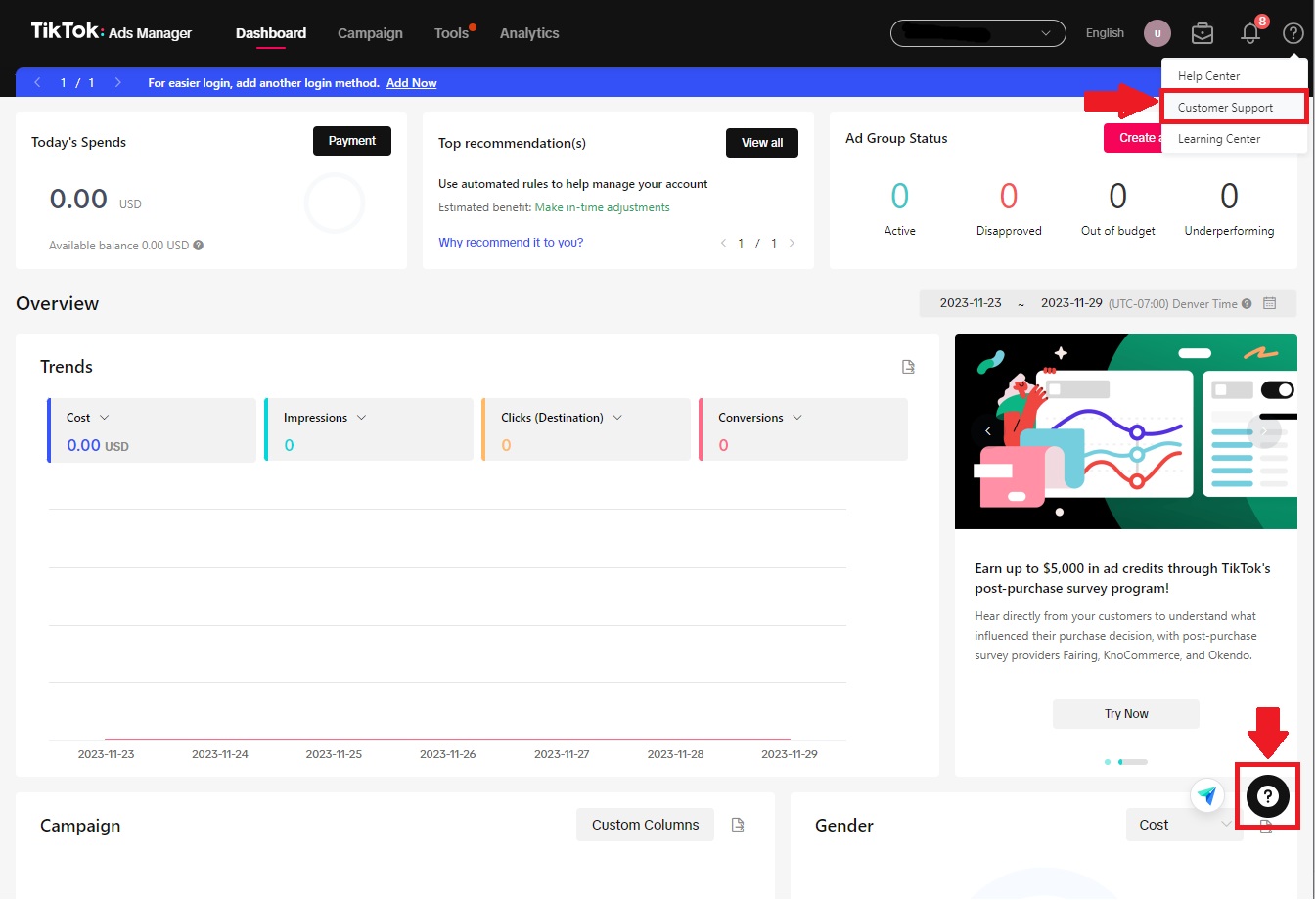
Since most TikTok users access the platform via mobile devices, ensure that your ads are optimized for mobile viewing. This includes using the correct aspect ratio, resolution, and file size to ensure smooth playback on all devices.
5. Track and Analyze Performance
Regularly track the performance of your campaigns using TikTok’s analytics tools. Monitor key metrics such as reach, impressions, and engagement rates to identify what works and what needs improvement. Use this data to refine your strategies and maximize your return on investment (ROI).
Conclusion
Understanding TikTok’s ads policy and guidelines is crucial for any advertiser looking to succeed on this platform. By following these policies and best practices, you can create compliant and effective campaigns that resonate with your target audience. Whether you’re a small business or a large enterprise, TikTok offers a powerful opportunity to connect with millions of users and drive meaningful results.

Posting Komentar untuk "Understanding TikTok Ads Policy and Guidelines: What You Need to Know"
Posting Komentar