
Understanding TikTok Ads Reporting Metrics: A Complete Guide
TikTok has become a powerful platform for brands to reach and engage with their target audience. As the platform continues to grow, so does the importance of understanding how to measure the success of your TikTok ad campaigns. One of the most critical aspects of running effective ads on TikTok is mastering the reporting metrics. These metrics provide valuable insights into how your ads are performing and help you make data-driven decisions to optimize your campaigns.
In this guide, we'll break down the key TikTok Ads reporting metrics that every marketer should know. We’ll explain what each metric measures, why it matters, and how to track them effectively. Whether you're new to TikTok advertising or looking to refine your strategy, this article will give you the tools to understand and improve your ad performance.
1. Ad Impressions
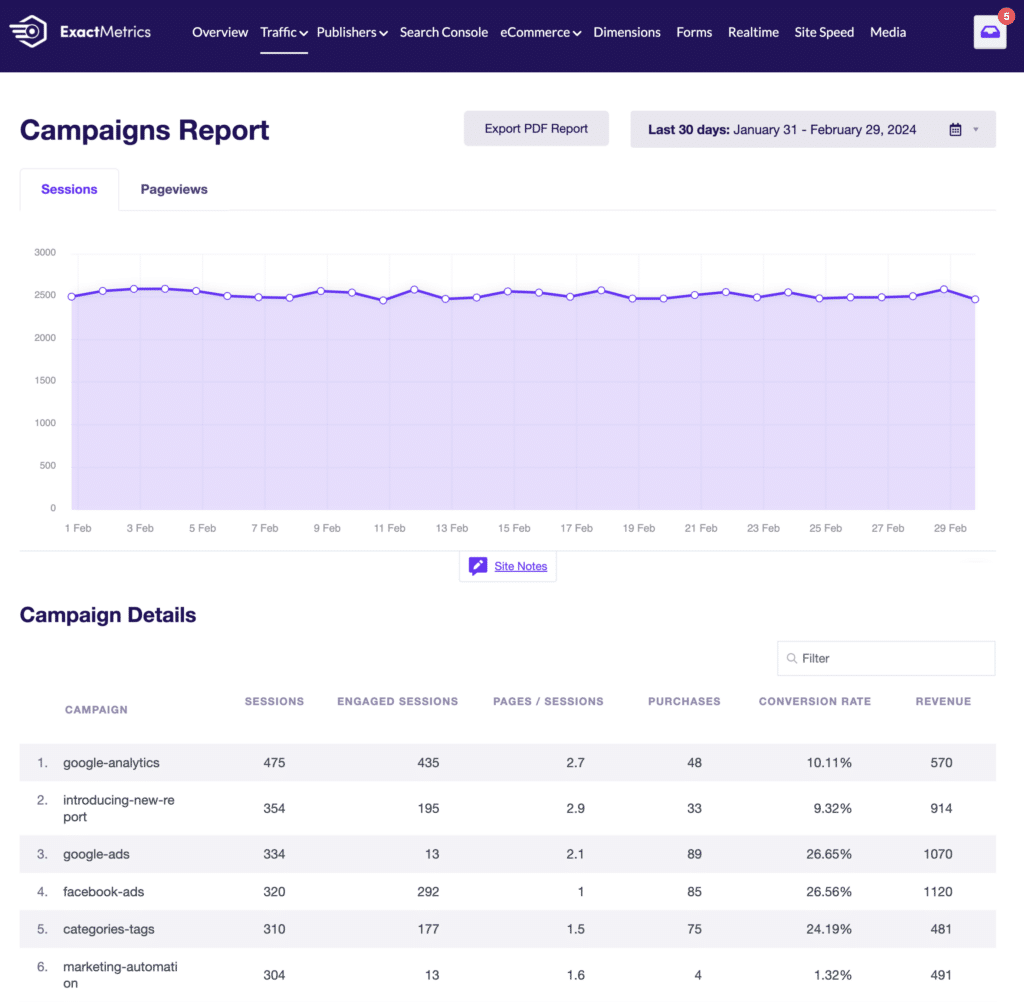
What it Measures: The total number of times your ad was shown to users on TikTok.
Why It Matters: Impressions give you an idea of how many people have seen your ad, which is crucial for brand awareness. However, it's important to remember that impressions don't equate to engagement or conversions.
How to Track: You can find this metric in the TikTok Ads Manager dashboard.
2. Clicks (Destination)

What it Measures: The number of times users clicked on your ad and were redirected to a specific destination, such as a website or app.
Why It Matters: This metric tells you how well your ad resonates with your audience. A high number of clicks indicates that your message is compelling enough to drive user action.
How to Track: Check the "Clicks" section in your TikTok Ads Manager.
3. Click-Through Rate (CTR)
What it Measures: The percentage of users who clicked on your ad after seeing it.
Why It Matters: CTR is a strong indicator of ad effectiveness. A higher CTR means your ad is engaging and relevant to your target audience.
How to Track: CTR is calculated by dividing the number of clicks by the number of impressions. This is automatically tracked in the TikTok Ads Manager.
4. Conversion Rate (CVR)
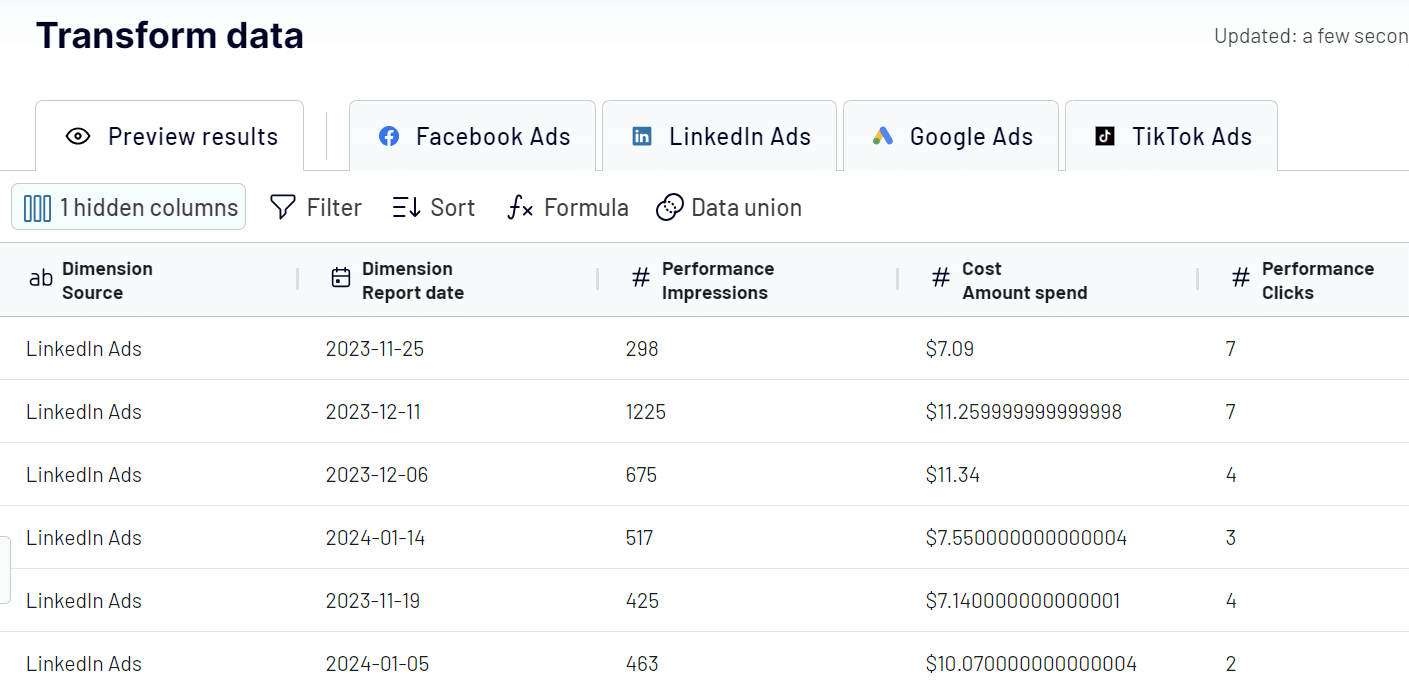
What it Measures: The percentage of users who clicked on your ad and completed a desired action, such as making a purchase or signing up for a newsletter.
Why It Matters: CVR is a key metric for measuring the success of your ad campaign. A high conversion rate means your ad is not only getting attention but also driving real results.
How to Track: This is found under the "Conversions" tab in your TikTok Ads Manager.
5. Cost Per Click (CPC)
What it Measures: The average cost you pay for each click on your ad.
Why It Matters: CPC helps you understand the efficiency of your ad spend. A lower CPC means you’re getting more value for your budget.
How to Track: CPC is calculated by dividing the total ad spend by the number of clicks. This is automatically tracked in the TikTok Ads Manager.
6. Cost Per View (CPV)
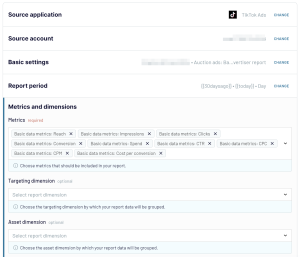
What it Measures: The average cost you pay for each view of your video ad.
Why It Matters: CPV is especially useful for brand awareness campaigns. It helps you understand how much you’re paying to get your message in front of potential customers.
How to Track: This metric is available in the TikTok Ads Manager under the "Video Views" section.
7. Cost Per Action (CPA)
What it Measures: The average cost you pay for each specific action taken by a user after viewing your ad.
Why It Matters: CPA is a crucial metric for evaluating the ROI of your ad campaigns. It helps you determine whether your ad is delivering the results you want.
How to Track: CPA is calculated by dividing the total ad spend by the number of conversions. This is tracked in the TikTok Ads Manager.
8. Cost Per Mille (CPM)
What it Measures: The cost of showing your ad to 1,000 users.
Why It Matters: CPM is useful for campaigns focused on brand awareness or reaching a large audience. It helps you understand the cost-effectiveness of your ad spend.
How to Track: CPM is calculated by dividing the total ad spend by the number of impressions and multiplying by 1,000. This is tracked in the TikTok Ads Manager.
9. Ad Spend
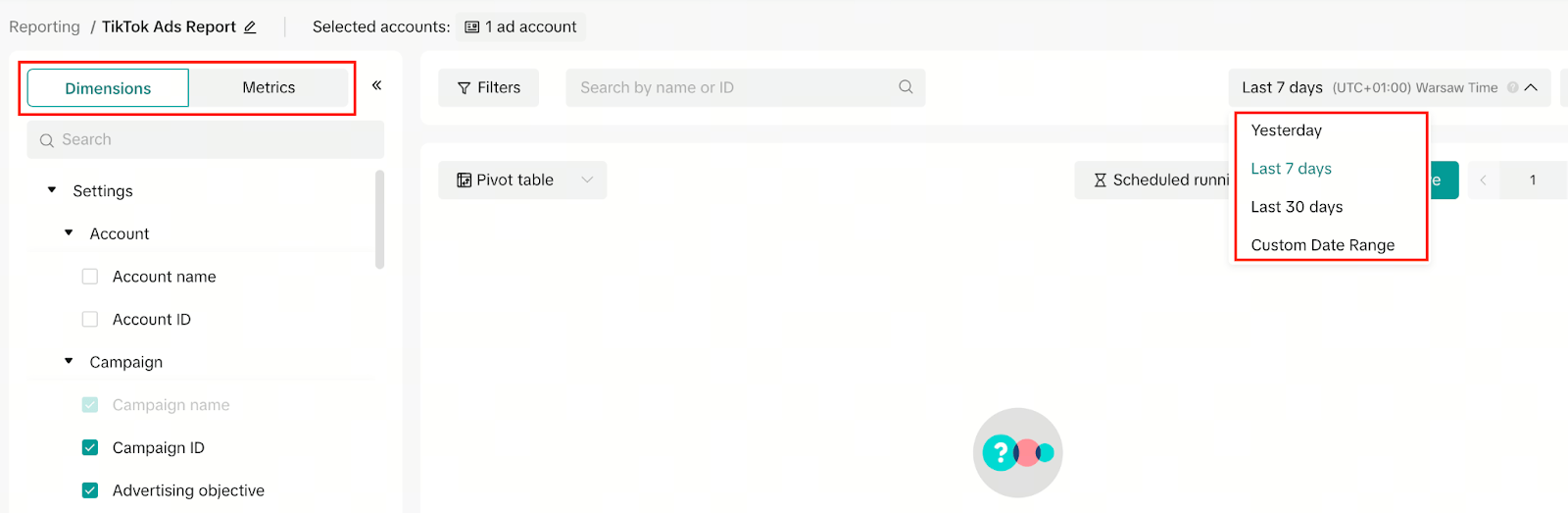
What it Measures: The total amount spent on your TikTok ad campaigns.
Why It Matters: Ad spend is essential for budget planning and tracking the return on investment (ROI) of your campaigns.
How to Track: This is displayed in the TikTok Ads Manager under the "Campaign Overview" section.
10. Return on Ad Spend (ROAS)
What it Measures: The revenue generated from your TikTok ads compared to the cost of the ads.
Why It Matters: ROAS is one of the most important metrics for determining the profitability of your ad campaigns. A higher ROAS means your ads are generating more revenue than they cost.
How to Track: ROAS is calculated by dividing the total revenue from your ads by the total ad spend. This is tracked in the TikTok Ads Manager.
Conclusion
Understanding TikTok Ads reporting metrics is essential for optimizing your ad campaigns and achieving your marketing goals. By tracking these key metrics, you can gain valuable insights into how your ads are performing and make informed decisions to improve your results. Whether you're focusing on brand awareness, lead generation, or sales, the right metrics will help you measure success and refine your strategy over time.
Remember, the goal is not just to run ads but to run them effectively. Use the data provided by TikTok’s reporting tools to continuously test, learn, and improve your approach. With the right metrics and a data-driven mindset, you can unlock the full potential of TikTok advertising and drive meaningful results for your business.

Posting Komentar untuk "Understanding TikTok Ads Reporting Metrics: A Complete Guide"
Posting Komentar