
Understanding TikTok Ads Reporting Dashboards: A Complete Guide
TikTok has become a powerful platform for brands to reach their target audiences, drive engagement, and generate sales. As more businesses invest in TikTok advertising, understanding how to effectively track and analyze campaign performance becomes essential. This is where TikTok Ads Reporting Dashboards come into play. These dashboards provide a centralized view of your ad performance, helping you make data-driven decisions to optimize your campaigns.
What Are TikTok Ads Reporting Dashboards?
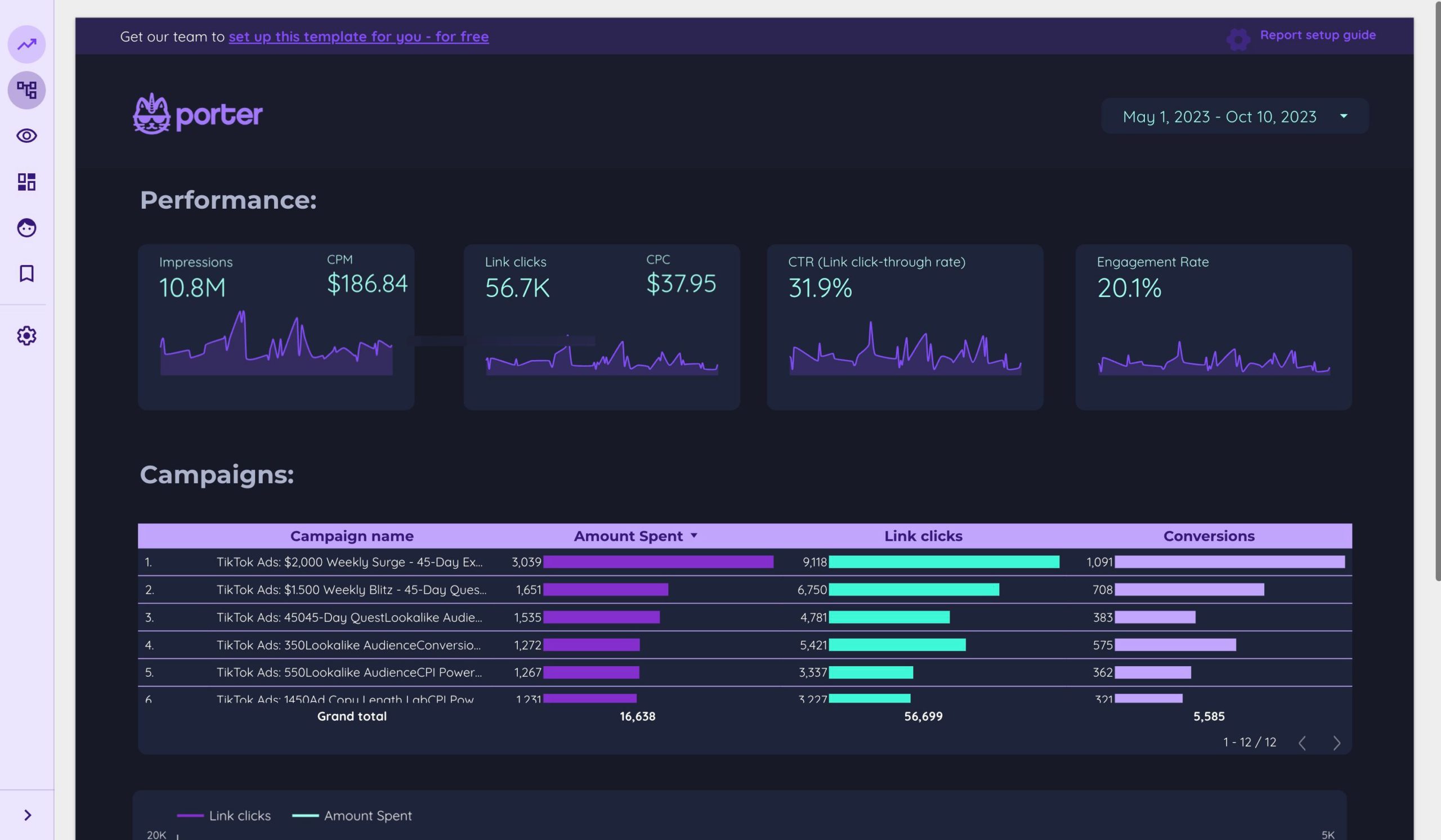
TikTok Ads Reporting Dashboards are tools that allow advertisers to monitor and evaluate the performance of their TikTok ad campaigns. They aggregate data from various sources, including views, clicks, conversions, and audience demographics, providing a comprehensive overview of how your ads are performing.
These dashboards are designed to help marketers understand key metrics such as:
- Impressions: The number of times your ad was shown.
- Click-Through Rate (CTR): The percentage of users who clicked on your ad after seeing it.
- Conversion Rate: The percentage of users who completed a desired action (e.g., making a purchase, signing up for a newsletter).
- Cost Per Click (CPC): The average cost for each click on your ad.
- Return on Ad Spend (ROAS): The revenue generated for every dollar spent on ads.
By tracking these metrics, you can gain insights into what's working and what needs improvement, allowing you to refine your strategy for better results.
Key Features of TikTok Ads Reporting Dashboards
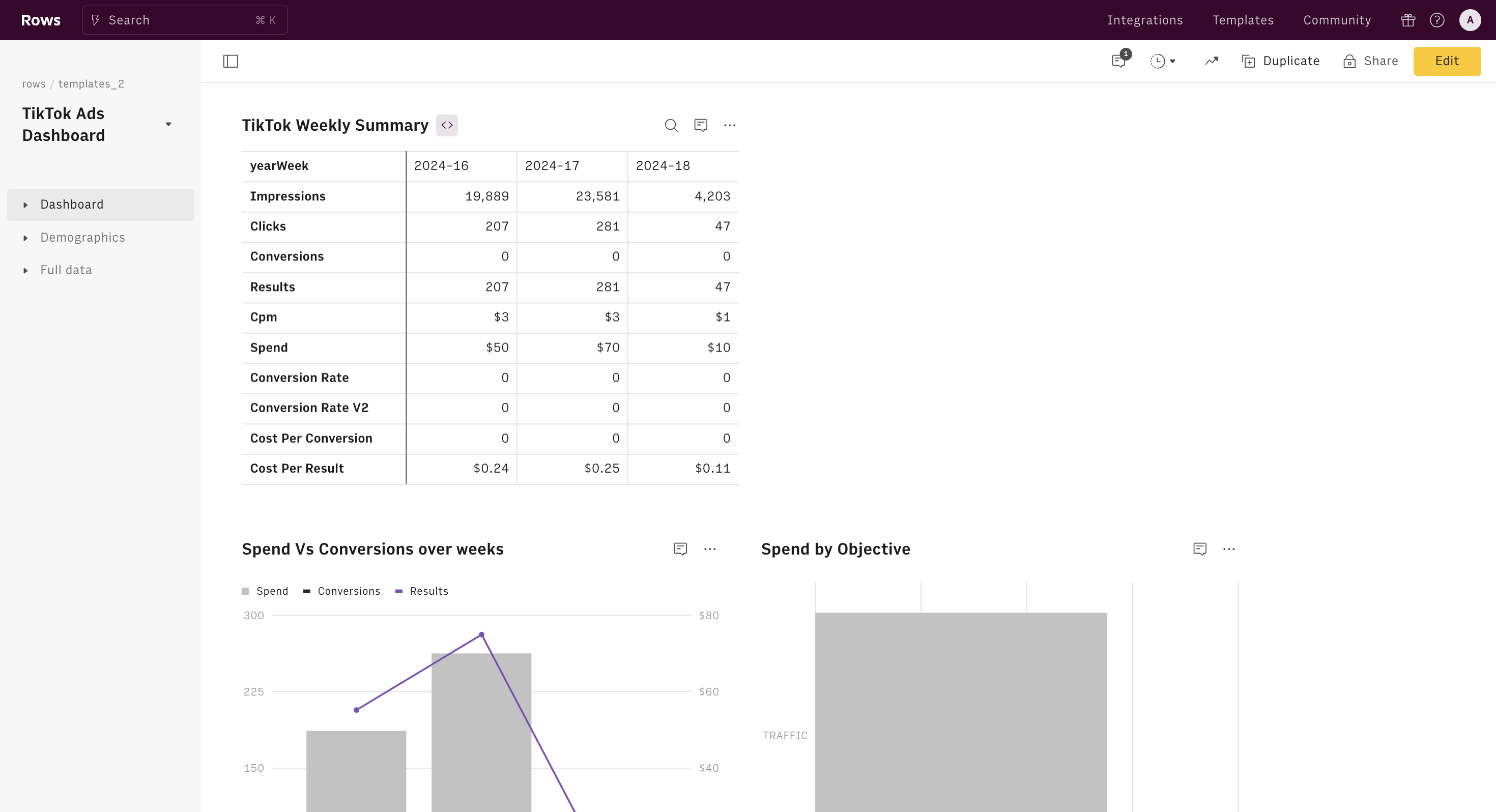
TikTok Ads Reporting Dashboards offer several features that make them invaluable for advertisers. Here are some of the most important ones:
1. Real-Time Data Tracking
One of the biggest advantages of using a reporting dashboard is the ability to access real-time data. This means you can monitor your campaign performance as it happens, making it easier to spot trends and adjust your strategy accordingly.
2. Customizable Reports
Most dashboards allow you to customize reports based on specific criteria, such as date ranges, ad formats, or audience segments. This flexibility ensures that you're getting the most relevant information for your business goals.
3. Comparative Analysis
Dashboards often include tools for comparing different ad campaigns or versions of the same ad. This feature helps you identify which elements are driving the best results and which need refinement.
4. Audience Insights
Understanding your audience is crucial for effective advertising. TikTok Ads Reporting Dashboards provide detailed insights into who is engaging with your ads, including demographics, interests, and behaviors.
5. Integration with Other Tools
Many dashboards integrate with other marketing and analytics tools, such as Google Analytics or CRM systems. This integration allows for a more holistic view of your marketing efforts and helps streamline your workflow.
How to Use TikTok Ads Reporting Dashboards Effectively

To get the most out of your TikTok Ads Reporting Dashboard, consider the following best practices:
1. Define Clear Goals
Before diving into the data, define what you want to achieve with your TikTok ads. Whether it's increasing brand awareness, generating leads, or driving sales, having clear goals will help you focus on the right metrics.
2. Monitor Key Metrics Regularly
Set up regular check-ins to review your dashboard and track progress toward your goals. Look for patterns and anomalies that could indicate issues or opportunities for improvement.
3. Test and Optimize
Use the data from your dashboard to test different ad creatives, targeting options, and messaging. A/B testing can help you determine what resonates best with your audience and refine your approach over time.
4. Leverage Audience Insights
Use the audience insights provided by the dashboard to tailor your ads to the preferences and behaviors of your target demographic. This can lead to higher engagement and better conversion rates.
5. Stay Updated on Platform Changes
TikTok frequently updates its advertising features and algorithms. Stay informed about these changes and adjust your strategy accordingly to maintain optimal performance.
Common Challenges and Solutions
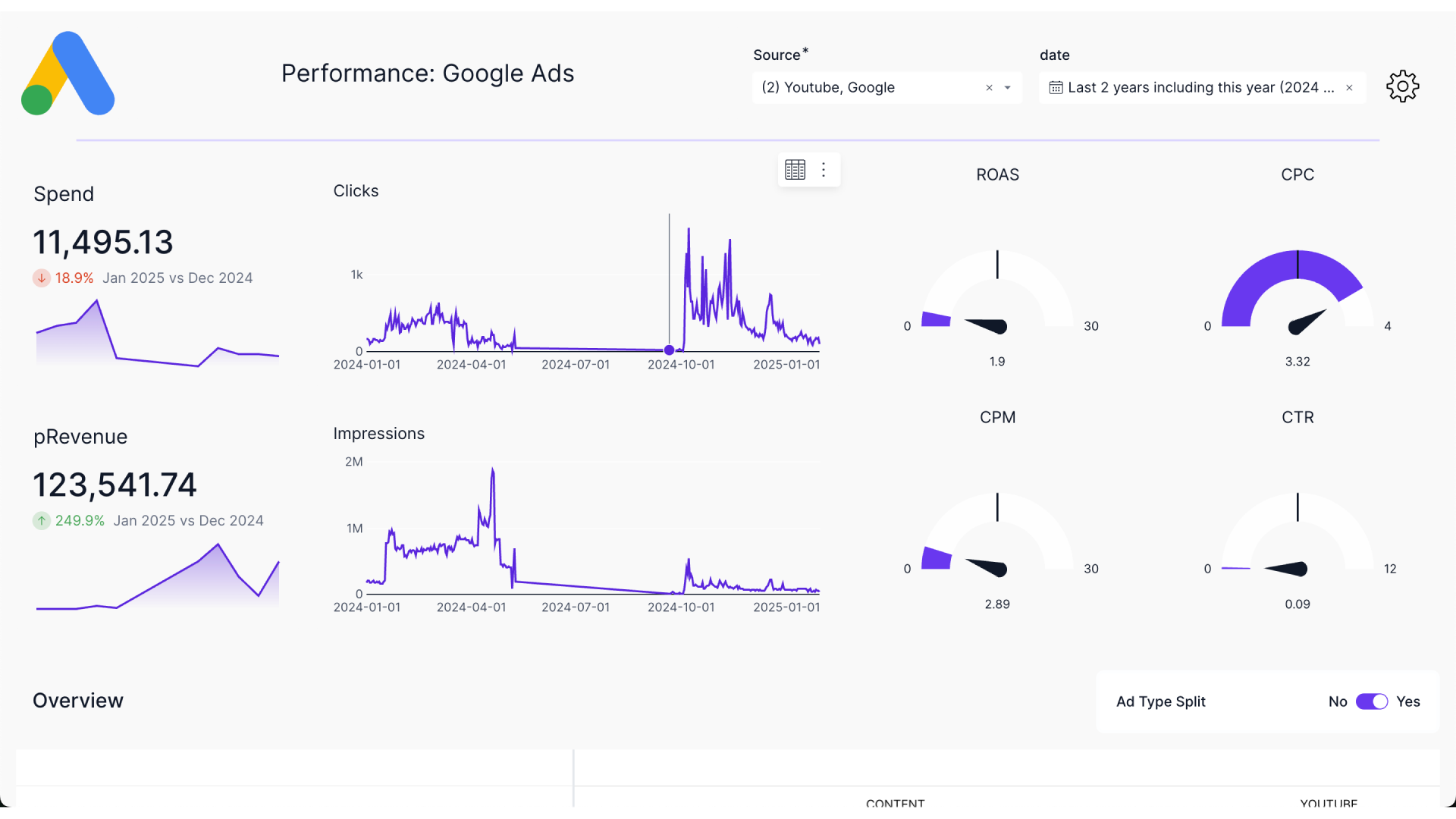
While TikTok Ads Reporting Dashboards are powerful tools, they can also present challenges if not used correctly. Here are some common issues and how to address them:
1. Data Overload
With so much data available, it's easy to feel overwhelmed. Focus on the metrics that align with your goals and avoid getting bogged down by irrelevant information.
2. Inconsistent Reporting
Ensure that your dashboard is set up correctly and that all data sources are properly integrated. Inconsistent reporting can lead to inaccurate insights and poor decision-making.
3. Lack of Actionable Insights
If your dashboard isn't providing actionable insights, consider customizing it to highlight the most important metrics. This will help you make more informed decisions quickly.
4. Ignoring Audience Behavior
Don't just look at numbers; also pay attention to how your audience is interacting with your ads. This can reveal valuable clues about what's working and what's not.
Conclusion
TikTok Ads Reporting Dashboards are essential tools for any brand looking to maximize the effectiveness of their TikTok advertising efforts. By providing a clear, data-driven view of your campaign performance, these dashboards enable you to make informed decisions, optimize your strategy, and achieve better results. As TikTok continues to evolve, staying ahead of the curve with the right tools and insights will be key to long-term success.

Posting Komentar untuk "Understanding TikTok Ads Reporting Dashboards: A Complete Guide"
Posting Komentar