
What You Need to Know About Understanding TikTok Ads Data
TikTok has evolved from a platform for short-form entertainment into a powerful marketing tool for brands. With over 1 billion monthly active users, it's no surprise that businesses are turning to TikTok to reach new audiences and drive sales. However, understanding TikTok ads data is essential for maximizing the effectiveness of your marketing efforts. This article will guide you through the key aspects of TikTok ads data, how to interpret it, and how to use it to refine your strategy.
Understanding TikTok Ads Data
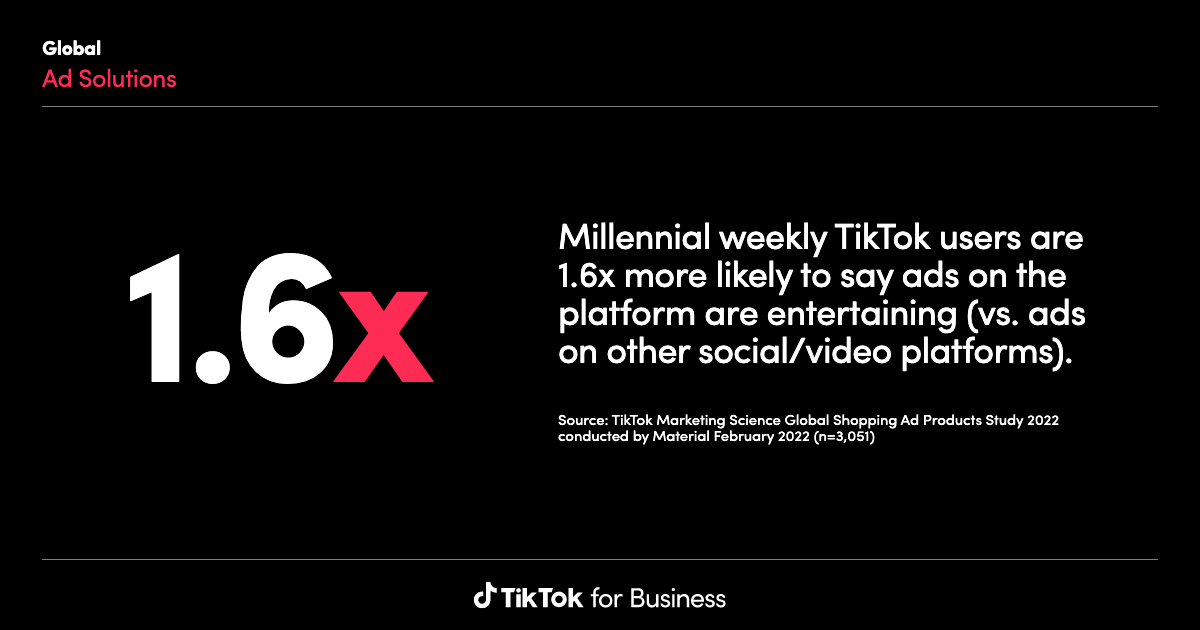
TikTok ads data refers to the metrics and insights generated from your advertising campaigns on the platform. These data points provide valuable information about how your ads are performing, who is engaging with them, and what content resonates most with your audience. By analyzing this data, you can make informed decisions to optimize your campaigns and achieve better results.
Key Metrics to Track
When it comes to TikTok ads data, there are several key metrics you should track to gauge the performance of your campaigns:
- Video Views: This metric measures the number of times your video has been viewed. On TikTok, a view is counted after a user watches for at least 2 seconds.
- Engagement Rate: This includes likes, comments, shares, and follows. A high engagement rate indicates that your content is resonating with viewers.
- Click-Through Rate (CTR): If you include a call-to-action, this measures how many people click through to your website or app.
- Conversion Rate: This shows how many people took the desired action after clicking your ad, such as making a purchase or signing up for a newsletter.
- Cost Per Action (CPA): This tells you how much you spend on each desired action, like a purchase or sign-up.
- Follower Growth: While not directly related to your ad performance, growing your TikTok following can lead to more organic reach in the future.
Tracking these metrics allows you to understand what is working and what needs improvement. It also helps you identify trends and patterns that can inform your future campaigns.
Interpreting the Data
Interpreting TikTok ads data involves looking beyond the numbers to understand the story behind them. For example, a high engagement rate might indicate that your content is resonating with your audience, but if your conversion rate is low, it could mean that your call-to-action is not effective. Similarly, a high CTR might suggest that your ad is attracting attention, but if your CPA is too high, it could be costly.
To effectively interpret your data, consider the following:
- Compare Performance Across Campaigns: Analyze how different campaigns perform against each other to identify what works best.
- Look for Patterns: Identify trends in your data, such as which times of day or days of the week generate the most engagement.
- Segment Your Audience: Break down your data by demographics, interests, and behaviors to gain deeper insights into who is engaging with your content.
By interpreting your data in this way, you can make informed decisions to refine your strategy and improve your results.
Optimizing Your TikTok Ads Strategy
Once you have a good understanding of your TikTok ads data, the next step is to optimize your strategy based on the insights you've gathered. Here are some key strategies to consider:
A/B Testing
A/B testing is a powerful tool for optimizing your TikTok ads. By creating two versions of an ad and testing them against each other, you can determine which version performs better. This allows you to make data-driven decisions and continuously improve your campaigns.
Some elements to test include:
- Video Length: Test 15-second vs. 30-second videos to see which resonates more with your audience.
- Opening Shots: Determine which visuals or hooks grab attention better.
- Music Choices: Experiment with different tracks to see which ones enhance engagement.
- Call-to-Action Text and Placement: Test different CTAs to see which ones drive the most clicks.
Remember, what works for one brand might not work for another. The only way to know is to test, test, test!
Audience Targeting
TikTok offers various targeting options to help you reach the right audience. However, finding the perfect balance between reach and relevance can be tricky. Here are some tips for refining your targeting:
- Start Broad and Narrow Down: Begin with a broad audience and then narrow down based on performance.
- Use Interest Categories: Target users based on their behavior on the app.
- Experiment with Custom Audiences: Use data from your website visitors or customer lists to create custom audiences.
- Try Lookalike Audiences: Reach users similar to your best customers.
By refining your targeting, you can ensure that your ads are reaching the most relevant audience, increasing the likelihood of engagement and conversions.
Budget Allocation
Spending money on TikTok ads doesn't guarantee success. It's all about spending smartly. Here are some tips for allocating your budget effectively:
- Start Small and Scale Up: Begin with a modest budget to test what works, then increase spending on your top-performing ads.
- Use Dayparting: Schedule your ads to run when your audience is most active on TikTok.
- Adjust Bids Based on Performance: If an ad performs well, consider increasing your bid for more impressions.
- Balance Your Ad Types: Allocate more budget to your best-performing ad formats, but don't put all your eggs in one basket.
By spending wisely, you can maximize your return on investment and achieve better results from your TikTok ads.
Staying Ahead of the Game
TikTok moves fast, and what's hot today might be passé tomorrow. To stay ahead of the curve, keep an eye on these emerging trends in TikTok advertising:
Shoppable Content
TikTok is making big moves in the e-commerce space. With features like shoppable ads and the TikTok Shop, the line between content and commerce is blurring. Here’s what you need to know:
- Shoppable Ads: These allow users to purchase products without leaving the app.
- Live Shopping Events: Combining entertainment with instant purchasing, live shopping events are gaining popularity.
To capitalize on this trend, showcase your products in action and use clear, enticing calls to action.
Augmented Reality
AR effects are becoming more sophisticated, offering new ways for brands to engage users. Here’s how to leverage this trend:
- Create Branded AR Filters: Users will want to play with and share these filters.
- Use AR to Let Users Virtually Try On Products: Great for beauty and fashion brands.
- Develop AR Games or Challenges: Engage users with interactive experiences.
The key is to make your AR effects fun and shareable, not just promotional.
Micro-Influencers
While mega-influencers have their place, many brands are finding success with micro-influencers (typically those with 10,000 to 100,000 followers). Here’s why:
- Higher Engagement Rates: Micro-influencers often have higher engagement rates than more prominent influencers.
- Niche and Loyal Audiences: Their audiences tend to be more niche and loyal.
- Affordable and Accessible: They're often more affordable and easier to work with.
To tap into this trend, look for micro-influencers in your niche and focus on authenticity and alignment with your brand values.
Navigating TikTok’s Ad Policies
Before we wrap up, let’s discuss something less exciting but crucial: TikTok’s advertising policies. Ignoring these could get your ads rejected or even your account suspended. Here are some key points to keep in mind:
Content Guidelines
TikTok has strict guidelines about what kind of content is allowed in ads. Some key rules include:
- No Explicit or Suggestive Content
- No Hate Speech or Discrimination
- No Dangerous Stunts or Challenges
- No False or Misleading Claims
When in doubt, err on the side of caution. It’s better to play it safe than to have your ad rejected.
Disclosure
If you’re working with influencers or using affiliate links, you need to be upfront about it. TikTok requires clear disclosure of sponsored content. Some tips include:
- Use Hashtags Like #ad or #sponsored
- Have Influencers Verbally Disclose Partnerships in Their Videos
- Make Sure Disclosures Are Clear and Easy to Understand
Privacy
TikTok takes user privacy seriously. Ensure you’re following all data protection laws and TikTok’s privacy policies. This includes:
- Getting Proper Consent for Data Collection
- Being Transparent About How You Use User Data
- Not Collecting Unnecessary Personal Information
By following these guidelines, you can avoid potential issues and ensure your ads are compliant with TikTok’s policies.

Posting Komentar untuk "What You Need to Know About Understanding TikTok Ads Data"
Posting Komentar