
What You Need to Know About Understanding TikTok Ad Data
TikTok has evolved from a platform for entertainment into a powerful tool for brands to connect with their audiences, drive engagement, and generate sales. With over 1.94 billion adults aged 18 and above as of July 2025, the platform's ad reach is growing rapidly, making it an essential channel for marketers. Understanding TikTok ad data is crucial for businesses looking to maximize their return on investment (ROI) and stay ahead in a competitive digital landscape.
Why TikTok Ad Data Matters

TikTok's unique algorithm and user behavior make it a distinct platform compared to other social media networks. Unlike Instagram or Facebook, which are more social graph-driven, TikTok is interest graph-based, meaning it prioritizes content that aligns with users' interests rather than their existing connections. This makes TikTok an ideal space for brands to test new ideas, build awareness, and engage with a diverse audience.
Understanding TikTok ad data helps marketers:
- Identify trends: Recognize what content resonates with your target audience.
- Optimize performance: Refine your strategies based on real-time analytics.
- Track ROI: Measure the effectiveness of your campaigns and adjust budgets accordingly.
- Improve targeting: Use demographic and behavioral insights to create more relevant ads.
Key Metrics to Track
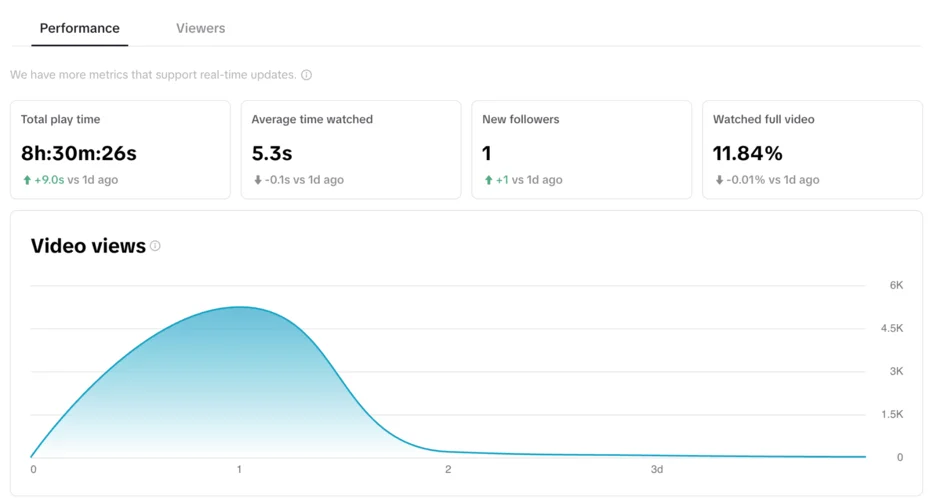
To effectively understand TikTok ad data, it's essential to track specific metrics that provide insights into your campaign's performance. Here are some of the most important ones:
Engagement Metrics
- Watch Time: Measures how long users watch your video. Higher watch time indicates engaging content.
- Completion Rate: The percentage of viewers who watch your video from start to finish. A high completion rate suggests that your content is compelling.
- Shares: Indicates how many users share your content, which can boost your reach organically.
Conversion Metrics
- Click-Through Rate (CTR): Measures the number of clicks on your ad relative to the number of impressions. A higher CTR means your ad is effective at driving traffic.
- Cost Per Acquisition (CPA): Calculates the cost of acquiring a customer through your ad. Lower CPA means better efficiency.
- Return on Ad Spend (ROAS): Measures the revenue generated for every dollar spent on advertising. A higher ROAS indicates a successful campaign.
Algorithm Signals
- First 3-Second Retention: TikTok's algorithm heavily weights the first few seconds of a video. A strong hook can significantly increase your chances of being recommended.
- Rewatches: Users who rewatch your video are more likely to engage with your content and share it.
- Comments and Meaningful Engagement: Active comments and interactions signal to the algorithm that your content is valuable.
- Saves and Shares: These actions indicate that users find your content useful or entertaining, which can improve your visibility.
How to Analyze TikTok Ad Data
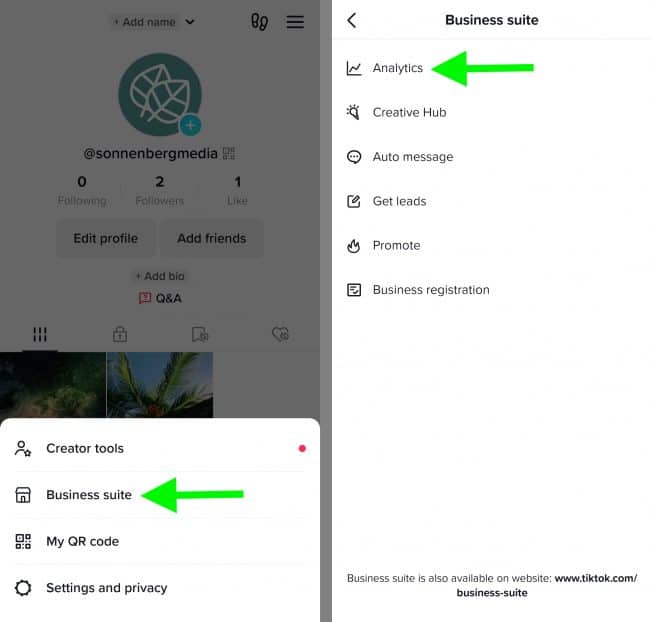
Analyzing TikTok ad data requires a strategic approach to ensure you're making informed decisions. Here are some steps to help you get started:
1. Define Your Goals
Before diving into data analysis, clearly define your campaign objectives. Are you aiming for brand awareness, lead generation, or direct sales? Your goals will determine which metrics to focus on.
2. Use TikTok's Built-In Analytics
TikTok provides a range of analytics tools within its Business Account. These tools offer insights into your audience demographics, content performance, and ad effectiveness. Familiarize yourself with these features to gain a comprehensive understanding of your data.
3. Leverage Third-Party Tools
Consider using third-party analytics platforms like Dash Social or HypeAuditor to gain deeper insights into your competitors and industry benchmarks. These tools can help you identify trends and optimize your strategies.
4. Monitor Trends and Competitors
Stay updated on the latest trends and competitor activities. TikTok's algorithm favors content that aligns with current trends, so staying relevant is key. Use tools like TrendTok to track popular sounds, hashtags, and challenges.
5. Conduct A/B Testing
Test different variations of your ads to see what works best. A/B testing allows you to compare the performance of different creatives, headlines, and calls-to-action (CTAs). This helps you refine your approach and improve your results.
6. Optimize for Search
TikTok is increasingly being used as a search engine, so optimizing your content for search is crucial. Use relevant keywords in your captions, on-screen text, and voiceovers to improve discoverability.
Common Pitfalls to Avoid

While analyzing TikTok ad data can be highly beneficial, there are several common pitfalls that marketers should avoid:
1. Overproducing Content
Highly polished ads often underperform compared to authentic videos. TikTok users prefer content that feels natural and relatable. Avoid overly produced content that may come across as inauthentic.
2. Ignoring Trends
Refusing to adapt to TikTok culture limits your reach. Stay up-to-date with the latest trends and incorporate them into your content strategy. This can help you tap into new audiences and increase engagement.
3. Selling Too Aggressively
TikTok users prefer value and entertainment before purchase prompts. Focus on providing useful information and building trust with your audience before pushing for sales.
4. Not Optimizing for Search
Ignoring TikTok SEO reduces long-term discoverability. Ensure your content includes relevant keywords and is optimized for search to maximize visibility.
5. Not Testing Hooks
Weak openings kill performance before the message is delivered. Invest time in creating strong hooks that grab attention and encourage users to watch your entire video.
Conclusion
Understanding TikTok ad data is essential for any brand looking to succeed on this dynamic platform. By tracking the right metrics, analyzing your data strategically, and avoiding common pitfalls, you can optimize your campaigns and achieve better results. As TikTok continues to evolve, staying informed and adaptable will be key to maintaining a competitive edge in the ever-changing digital landscape.

Posting Komentar untuk "What You Need to Know About Understanding TikTok Ad Data"
Posting Komentar