
How to Analyze a TikTok Ad Campaign: Key Metrics and Strategies
TikTok has become one of the most powerful platforms for digital marketing, with its unique blend of short-form video content and highly engaged users. As brands continue to invest in TikTok advertising, understanding how to analyze a TikTok ad campaign is essential for maximizing return on investment (ROI) and improving overall performance. This article explores the key metrics and strategies that marketers should focus on when analyzing a TikTok ad campaign.

Understanding TikTok's Ad Algorithm

Before diving into the metrics, it's important to understand how TikTok's ad algorithm works. Unlike traditional platforms like Google or Facebook, TikTok uses a combination of ad relevance, quality, and bid price to determine which ads are shown to users. The platform also takes into account user engagement, such as likes, shares, and comments, to prioritize ads that are more likely to resonate with the audience.
This means that even if an ad has a higher bid, it may not perform as well as a lower-bid ad that is more relevant and engaging. Therefore, focusing on creating high-quality, engaging content is just as important as budget allocation.
Key Metrics to Track
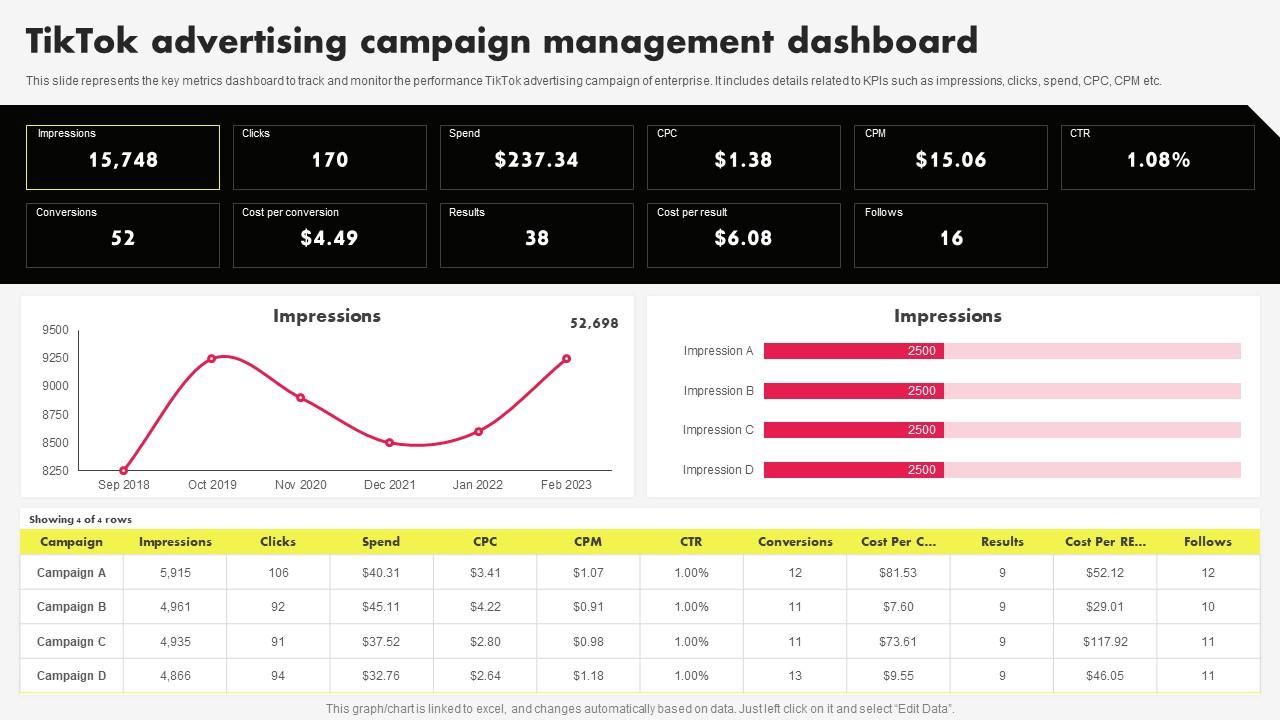
To effectively analyze a TikTok ad campaign, marketers should track several key metrics. These metrics provide insights into the performance of the campaign and help identify areas for improvement. Here are some of the most important metrics to consider:
1. Impressions
Impressions refer to the number of times your ad is shown to users. This metric gives you an idea of how many people have seen your ad, but it doesn't necessarily indicate how many of them interacted with it. A high number of impressions can be a good sign, but it's important to look at other metrics to determine the effectiveness of your ad.
2. Reach
Reach measures the number of unique users who saw your ad. This metric helps you understand how broad your ad's exposure is. A higher reach indicates that your ad is being seen by a larger audience, which can be beneficial for brand awareness.
3. Engagement Rate
Engagement rate is calculated by dividing the total number of interactions (likes, comments, shares, etc.) by the number of impressions. This metric provides insight into how well your ad is resonating with the audience. A higher engagement rate indicates that your ad is more compelling and effective.
4. Click-Through Rate (CTR)
CTR measures the percentage of users who clicked on your ad after seeing it. This metric is crucial for understanding how effective your call-to-action (CTA) is. A higher CTR indicates that your ad is successfully driving traffic to your website or app.
5. Cost Per Click (CPC)
CPC is the amount you pay for each click on your ad. This metric helps you understand the cost-effectiveness of your campaign. A lower CPC is generally better, as it means you're getting more clicks for less money.
6. Cost Per Thousand Impressions (CPM)
CPM measures the cost of your ad per 1,000 impressions. This metric is useful for comparing the cost of different ad formats and understanding how much you're paying for each impression.
7. Conversion Rate
Conversion rate measures the percentage of users who completed a desired action (such as making a purchase or signing up for a newsletter) after clicking on your ad. This metric is essential for evaluating the effectiveness of your campaign in driving conversions.
8. Return on Ad Spend (ROAS)
ROAS measures the revenue generated for every dollar spent on your ad. This metric is crucial for understanding the profitability of your campaign. A higher ROAS indicates that your campaign is generating more revenue relative to its cost.
Strategies for Effective Analysis

Once you have the right metrics, it's time to implement strategies to analyze and optimize your TikTok ad campaign. Here are some effective strategies to consider:
1. Set Clear Objectives
Before launching any campaign, it's important to set clear objectives. Whether you're aiming for brand awareness, lead generation, or sales, having a clear goal will help you measure the success of your campaign and make data-driven decisions.
2. Use A/B Testing
A/B testing involves creating multiple versions of your ad and testing them against each other to see which performs better. This strategy allows you to identify the most effective elements of your ad, such as the headline, visuals, or CTA.
3. Monitor Audience Insights
Understanding your audience is crucial for optimizing your campaign. Use TikTok's audience insights to learn more about your target demographic, including their interests, behaviors, and preferences. This information can help you tailor your ad content to better resonate with your audience.
4. Optimize Ad Creative
The creative elements of your ad play a significant role in its success. Experiment with different video styles, music, and visual effects to find what works best for your audience. High-quality, engaging content is more likely to capture attention and drive engagement.
5. Leverage TikTok's Tools
TikTok offers a range of tools to help you analyze and optimize your campaign. Use the TikTok Ads Manager to track your performance, set budgets, and manage your campaigns. Additionally, leverage TikTok's analytics features to gain deeper insights into your audience and ad performance.
6. Adjust Bidding Strategies
TikTok's bidding strategies can significantly impact your campaign's performance. Experiment with different bidding models, such as cost-per-click (CPC), cost-per-view (CPV), or cost-per-conversion (CPA), to find the most effective approach for your goals.
7. Focus on Retargeting
Retargeting involves showing ads to users who have previously interacted with your brand. This strategy can help increase conversion rates by reminding users of your product or service and encouraging them to take action.
Conclusion
Analyzing a TikTok ad campaign requires a combination of tracking the right metrics and implementing effective strategies. By understanding the key metrics such as impressions, reach, engagement rate, and conversion rate, you can gain valuable insights into the performance of your campaign. Additionally, using strategies like A/B testing, audience insights, and retargeting can help you optimize your campaign and achieve better results.
As TikTok continues to evolve, staying informed about the latest trends and tools will be essential for maximizing the effectiveness of your ad campaigns. By focusing on both data-driven analysis and creative optimization, you can ensure that your TikTok ads resonate with your audience and deliver measurable results.

Posting Komentar untuk "How to Analyze a TikTok Ad Campaign: Key Metrics and Strategies"
Posting Komentar