
How to Conduct a TikTok Ads Data Analysis: A Step-by-Step Tutorial
TikTok has evolved from a platform for short-form entertainment into a powerful marketing tool for brands. With its vast user base and algorithm-driven discovery model, TikTok offers unique opportunities for businesses to reach new audiences, drive engagement, and generate sales. However, to truly harness the potential of TikTok ads, you need to conduct a thorough data analysis. This tutorial will guide you through the process of analyzing your TikTok ads data, helping you make informed decisions and optimize your campaigns for better performance.
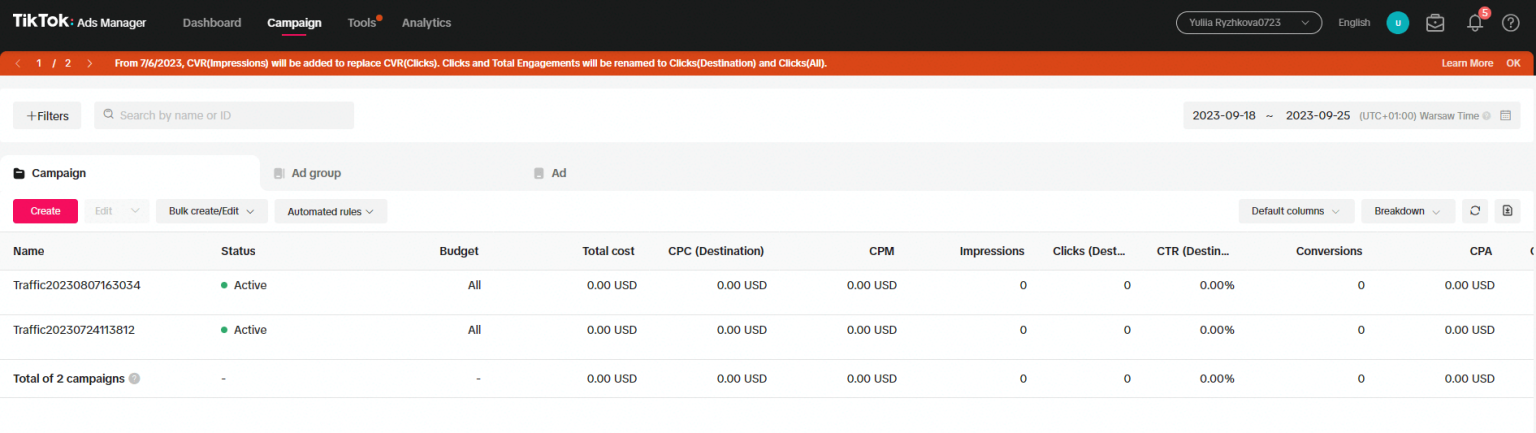
Understanding TikTok Ads Data
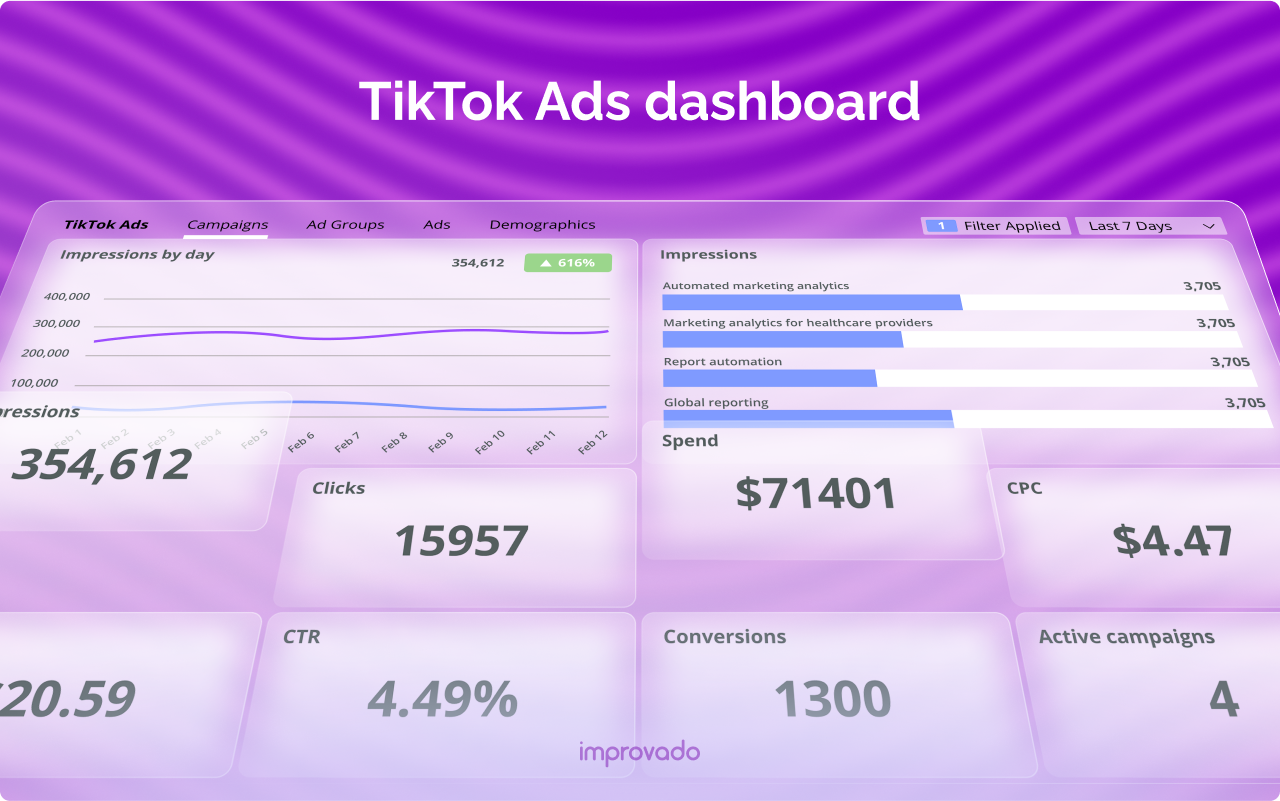
Before diving into the analysis, it's essential to understand what data you're working with. TikTok provides a range of metrics that can help you evaluate the performance of your ads. These include:
- Impressions: The number of times your ad was shown.
- Clicks: The number of times users clicked on your ad.
- Conversions: The number of times users completed a desired action (e.g., making a purchase, signing up).
- Engagement Rate: The percentage of users who interacted with your ad (likes, comments, shares).
- Cost Per Click (CPC): The cost incurred for each click on your ad.
- Cost Per Conversion (CPC): The cost incurred for each conversion.
These metrics provide insights into how well your ads are performing and where improvements can be made.
Step 1: Set Clear Objectives

The first step in any data analysis is to define your objectives. What do you want to achieve with your TikTok ads? Common objectives include:
- Increasing brand awareness
- Driving traffic to your website
- Generating leads
- Boosting sales
Having clear objectives will help you focus your analysis and determine which metrics are most relevant to your goals.
Step 2: Use TikTok Analytics Tools
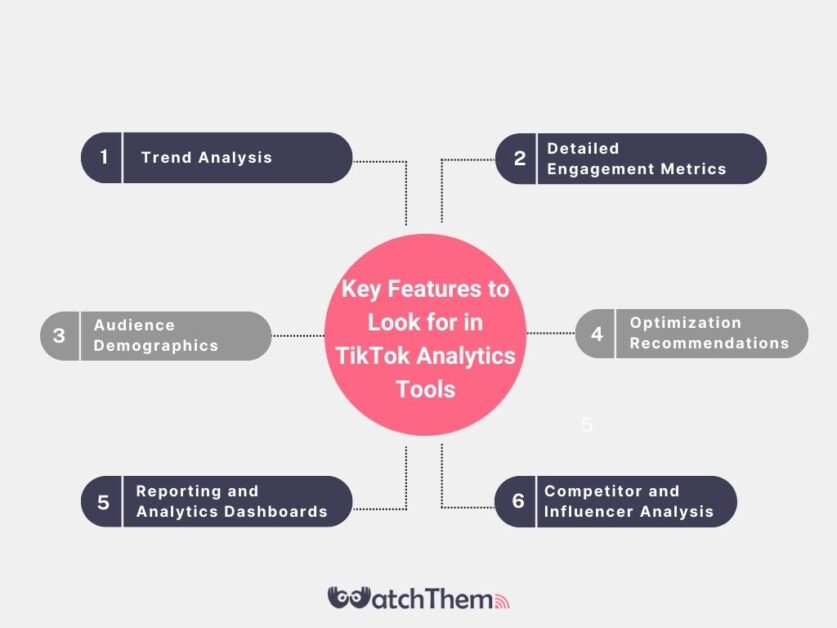
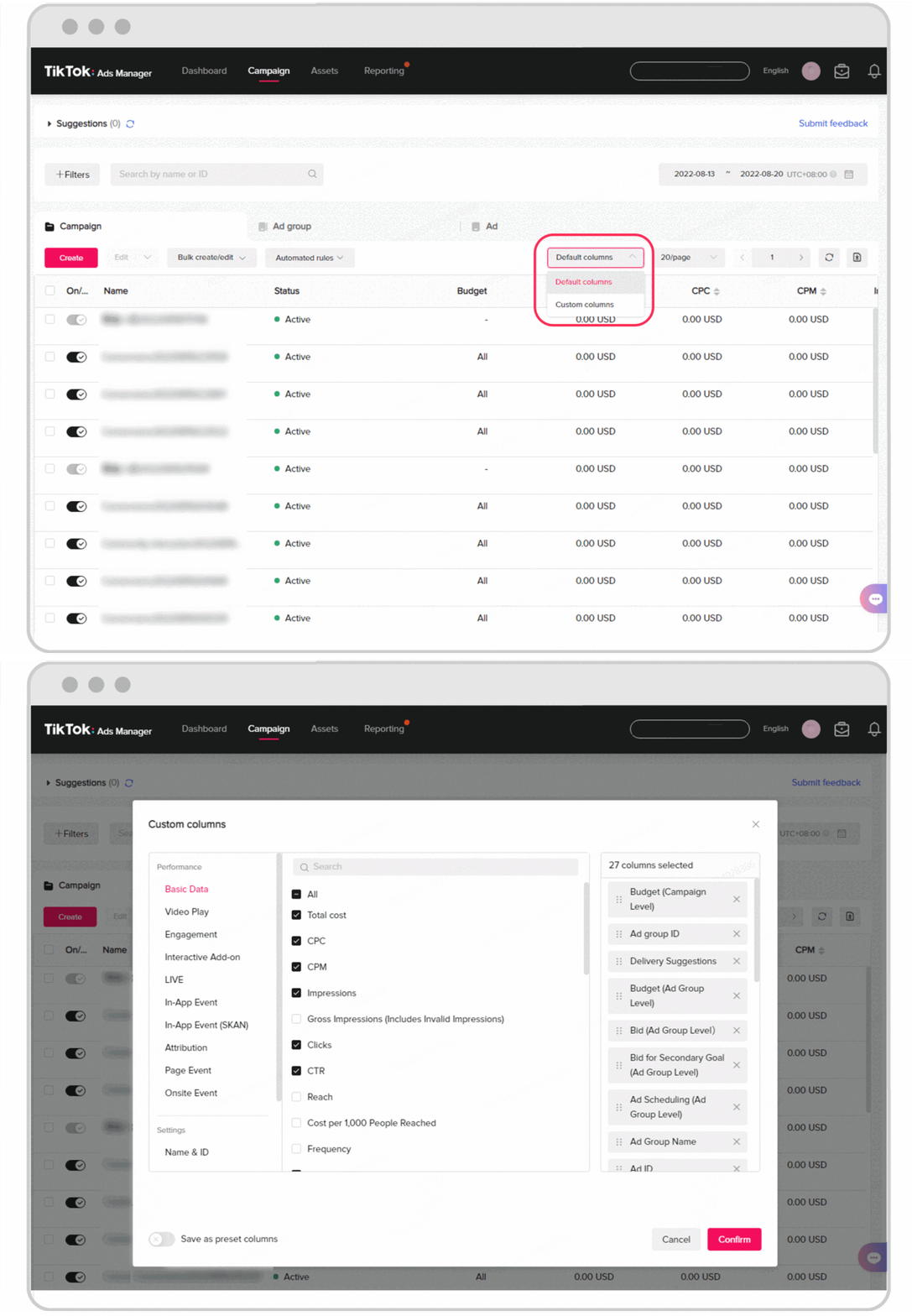
TikTok offers several built-in analytics tools that can help you track and analyze your ad performance. These tools include:
TikTok Analytics
This tool provides an overview of your account's performance, including video views, profile visits, likes, comments, and shares. It also gives insights into your audience's demographics and activity patterns.
TikTok Ads Manager
This platform allows you to create, manage, and track your advertising campaigns. It provides detailed reports on your campaign performance, including impressions, clicks, conversions, and engagement rates.
TikTok Pixel
The TikTok Pixel is a tracking code that you can install on your website to monitor user behavior. It helps you track events such as page views, purchases, and sign-ups, providing valuable data for optimizing your campaigns.
Step 3: Analyze Key Metrics

Once you have access to the data, it's time to analyze the key metrics that will help you understand your ad performance. Here are some important metrics to focus on:
Impressions
Impressions indicate how many times your ad was shown to users. A high number of impressions suggests that your ad is reaching a large audience, but it doesn't necessarily mean it's effective.
Clicks
Clicks measure how many users engaged with your ad by clicking on it. A high click-through rate (CTR) indicates that your ad is compelling and relevant to your target audience.
Conversions
Conversions are the ultimate goal of your ads. They represent the number of users who completed a desired action after clicking on your ad. Tracking conversions helps you understand the effectiveness of your campaigns.
Engagement Rate
Engagement rate measures how many users interacted with your ad. A high engagement rate indicates that your content is resonating with your audience.
Cost Per Click (CPC)
CPC is the cost incurred for each click on your ad. Monitoring CPC helps you ensure that your ad spend is efficient and aligned with your budget.
Cost Per Conversion (CPC)
CPC measures the cost incurred for each conversion. This metric helps you evaluate the return on investment (ROI) of your campaigns.
Step 4: Segment Your Data

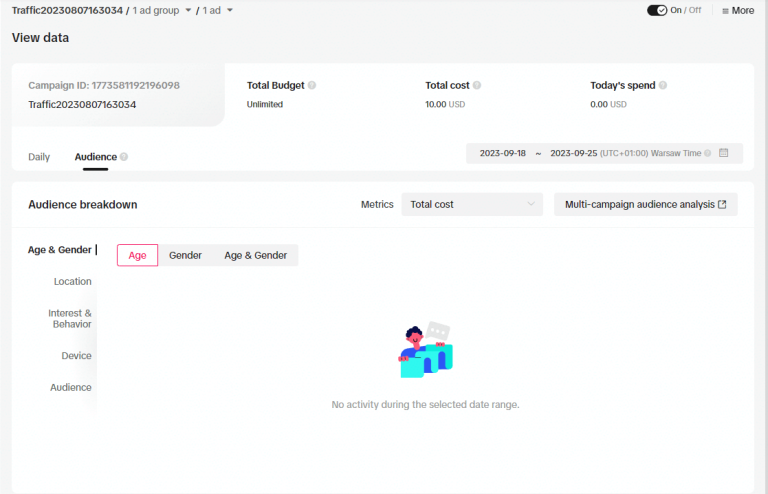
Segmenting your data allows you to gain deeper insights into your audience and their behavior. Consider segmenting your data by:
- Demographics: Age, gender, location, and interests.
- Device Type: Mobile vs. desktop users.
- Time of Day: When your audience is most active.
- Content Type: Different ad formats and creative elements.
By analyzing your data across these segments, you can identify trends and patterns that inform your strategy.
Step 5: Compare Performance
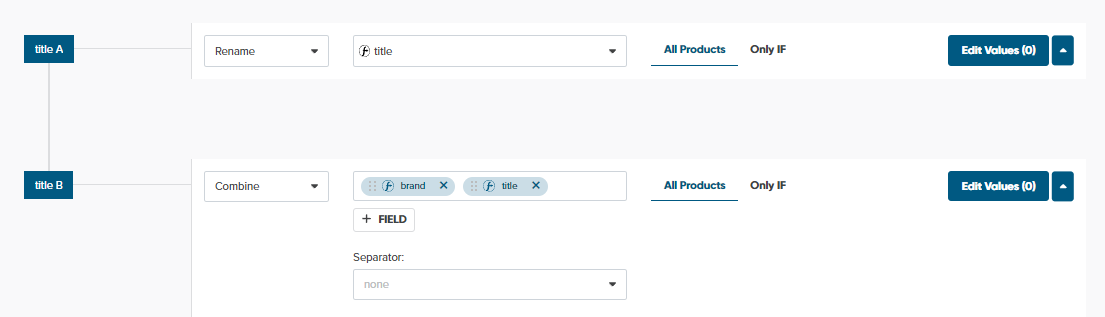
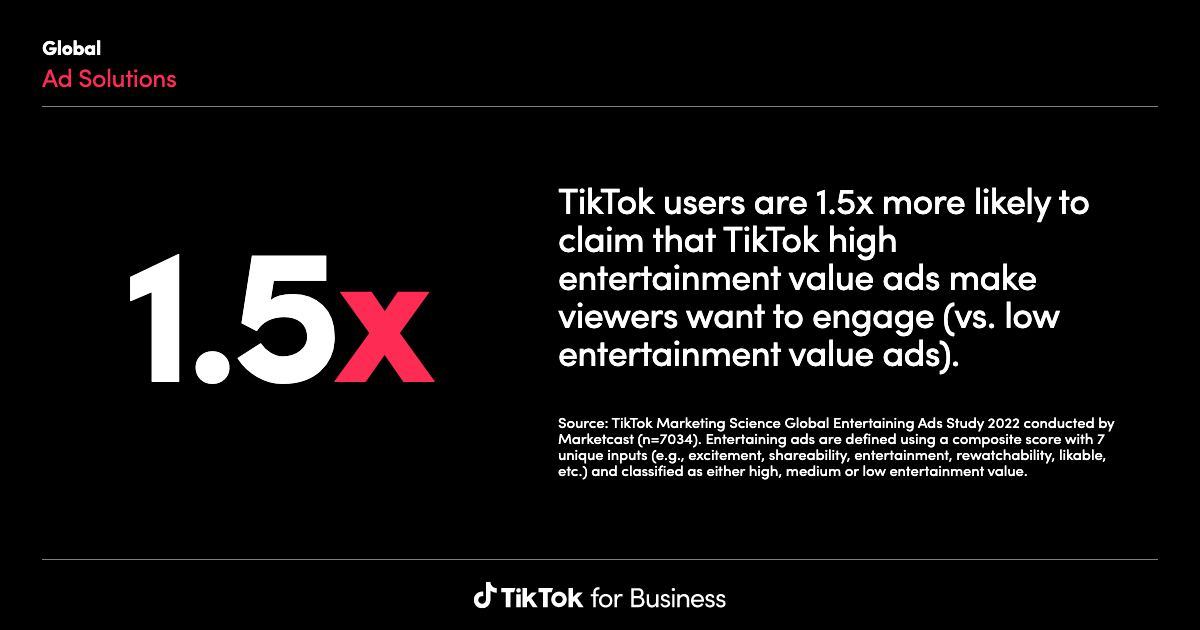
Comparing the performance of different ad variations can help you identify what works best. Use A/B testing to compare different headlines, visuals, and calls-to-action (CTAs). Track metrics such as CTR, conversion rate, and engagement rate to determine which variations perform better.
Step 6: Optimize Your Campaigns
Based on your analysis, make data-driven adjustments to your campaigns. Here are some optimization strategies:
Refine Your Target Audience
Use the insights from your data to refine your target audience. Focus on the demographics and interests that show the highest engagement and conversion rates.
Improve Ad Creatives
Test different ad creatives to see what resonates with your audience. Use high-quality visuals, compelling copy, and clear CTAs to increase engagement.
Adjust Bidding Strategies
Experiment with different bidding strategies to maximize your ROI. Consider increasing bids for high-performing ads and reducing bids for underperforming ones.
Test New Formats
Explore new ad formats such as video, carousel, and interactive ads. These formats can help you engage your audience in different ways.
Step 7: Monitor and Iterate
Data analysis is an ongoing process. Continuously monitor your campaigns and iterate based on the results. Regularly review your metrics, identify areas for improvement, and implement changes to enhance your performance.
Conclusion
Conducting a TikTok ads data analysis is essential for maximizing the effectiveness of your campaigns. By understanding your audience, tracking key metrics, and making data-driven decisions, you can optimize your ads for better performance and achieve your marketing goals. Remember to continuously monitor your campaigns and iterate based on the results to stay ahead in the competitive TikTok landscape.

Posting Komentar untuk "How to Conduct a TikTok Ads Data Analysis: A Step-by-Step Tutorial"
Posting Komentar