
How to Effectively Control TikTok Ads Costs in 2024
TikTok has become a powerful platform for marketers, with its ad revenue growing rapidly. In 2022 alone, TikTok's ad revenue increased by 200% year-over-year, reaching $11.04 billion. As more businesses turn to TikTok for advertising, understanding how to control TikTok ads costs is essential. This article will explore the key strategies and insights that can help you manage your TikTok ad budget effectively.
Understanding TikTok Ad Pricing Models

TikTok offers several ad formats, each with different pricing models. The most common ones include:
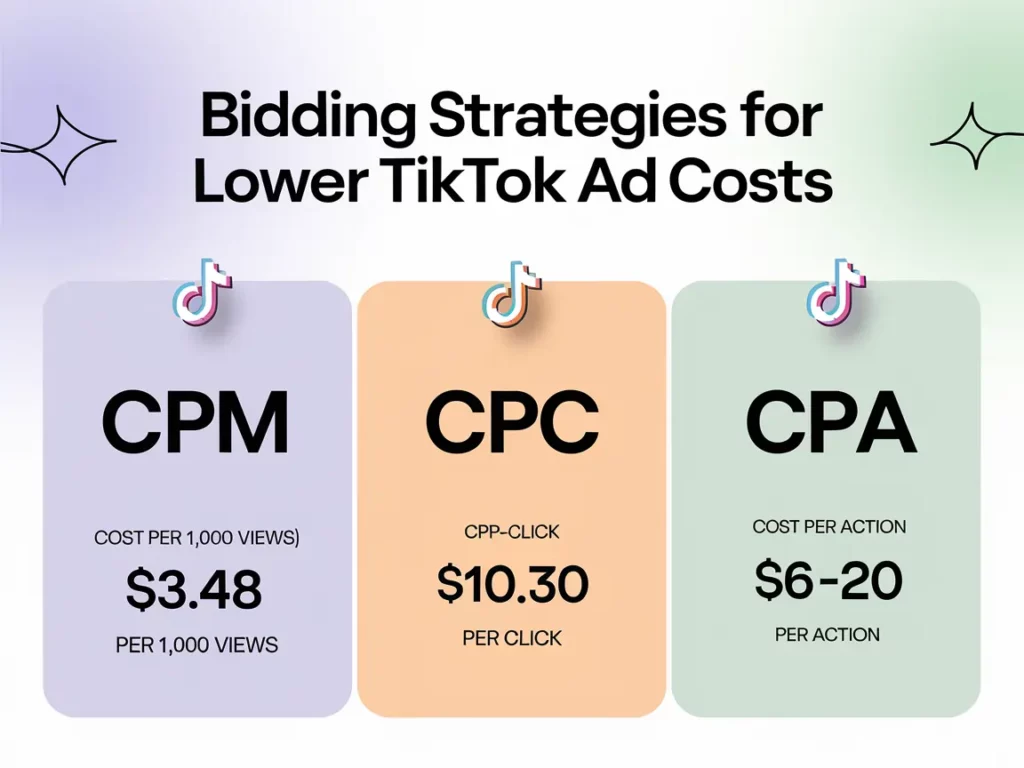
- Cost Per Mille (CPM): This model charges advertisers based on every 1,000 impressions.
- Cost Per Click (CPC): Charges when users click on the ad.
- Cost Per Action (CPA): Charges when a user completes a specific action, such as a purchase or sign-up.
The average CPM on TikTok is around $10, but it can vary depending on the ad type, targeting, and competition. For example, In-Feed Ads start at $10 per 1,000 impressions, while Branded Hashtag Challenges can cost between $80,000 and $150,000 for a six-day campaign.
Key Factors Influencing TikTok Ad Costs

Several factors can influence the cost of your TikTok ads. Understanding these can help you optimize your budget:
1. Ad Format and Placement
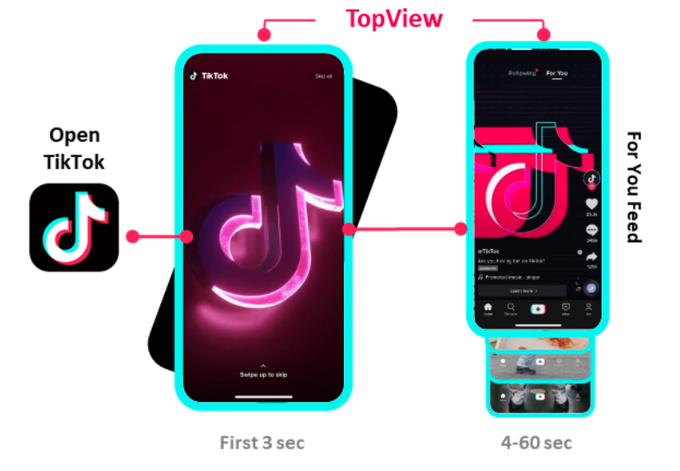
Different ad formats have varying costs. For instance: - In-Feed Ads: These are the most affordable, starting at $10 per 1,000 impressions. - TopView Ads: These appear when users open the app and can cost up to $150,000 per day. - Brand Takeover Ads: These are full-screen ads that appear immediately when users open the app, costing between $50,000 and $120,000 per day.
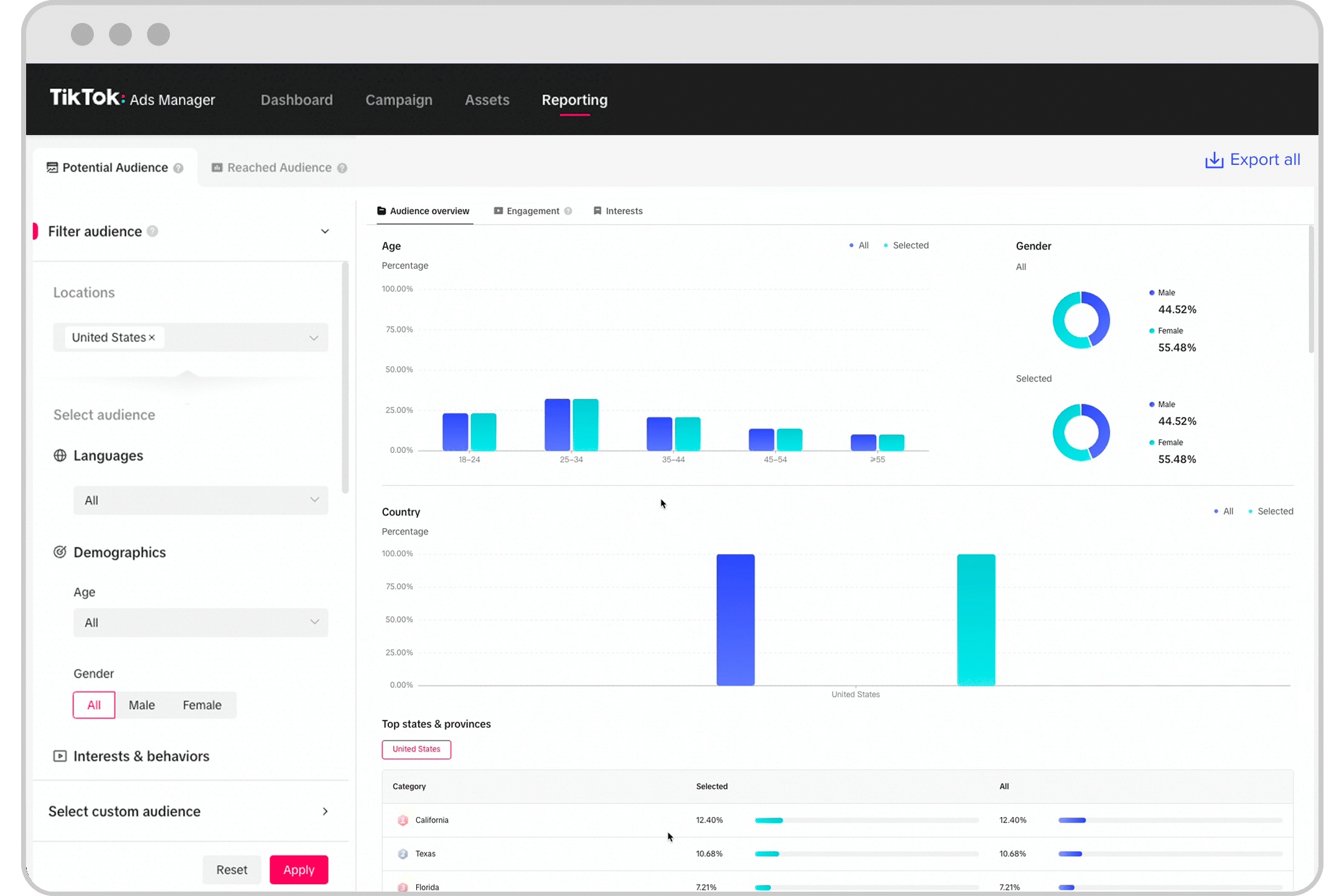
2. Target Audience Demographics and Location
The cost of targeting specific demographics or locations can vary significantly. For example, targeting users in the United States can be more expensive than targeting users in Southeast Asia.
3. Campaign Objectives and Performance Metrics
Your campaign objectives can also affect costs. Ads aimed at brand awareness may cost differently than those focused on conversions. Metrics like CPM and CPC depend on your goals.
4. Seasonal Trends and Competition
Prices can fluctuate based on seasonal trends and competition. During peak shopping periods, such as Black Friday, prices can increase by 50% or more.
Strategies to Control TikTok Ads Costs
To effectively control your TikTok ads costs, consider the following strategies:
1. Start with In-Feed Ads
In-Feed Ads are the most budget-friendly option, making them ideal for small businesses or those new to TikTok advertising. They allow you to test different creatives and strategies without a significant financial commitment.
2. Optimize Your Targeting
Use TikTok’s targeting options to reach the right audience. Narrowing your target can increase the relevance of your ads, leading to better engagement and lower costs.
3. Leverage A/B Testing
A/B testing different ad versions can help you identify which creatives perform best. This allows you to allocate your budget more effectively and reduce costs.
4. Use Daily Budgets
Setting daily budgets gives you more control over your spending. Starting with a daily budget of $20 can help you manage your costs while still reaching your target audience.
5. Monitor and Adjust Campaigns
Regularly monitor your campaigns and make adjustments based on performance. This includes tweaking your targeting, ad creatives, and bidding strategies.
Conclusion
Controlling TikTok ads costs requires a strategic approach that considers various factors, including ad format, targeting, and campaign objectives. By understanding the pricing models and implementing effective strategies, you can maximize your return on investment while keeping your budget under control. As TikTok continues to grow, staying informed about the latest trends and best practices will help you navigate the platform successfully.

Posting Komentar untuk "How to Effectively Control TikTok Ads Costs in 2024"
Posting Komentar