
How to Effectively Report on Your TikTok Ads Campaign: A Complete Guide
TikTok has become a dominant force in the digital marketing landscape, offering brands a unique opportunity to connect with a vast and engaged audience. However, with the platform's dynamic nature, it's crucial for marketers to effectively report on their TikTok ads campaigns to understand what's working and what needs improvement. This guide will walk you through the essential steps and best practices for reporting on your TikTok ads campaign, ensuring you can make data-driven decisions that drive results.
Understanding TikTok Ads Campaign Reporting
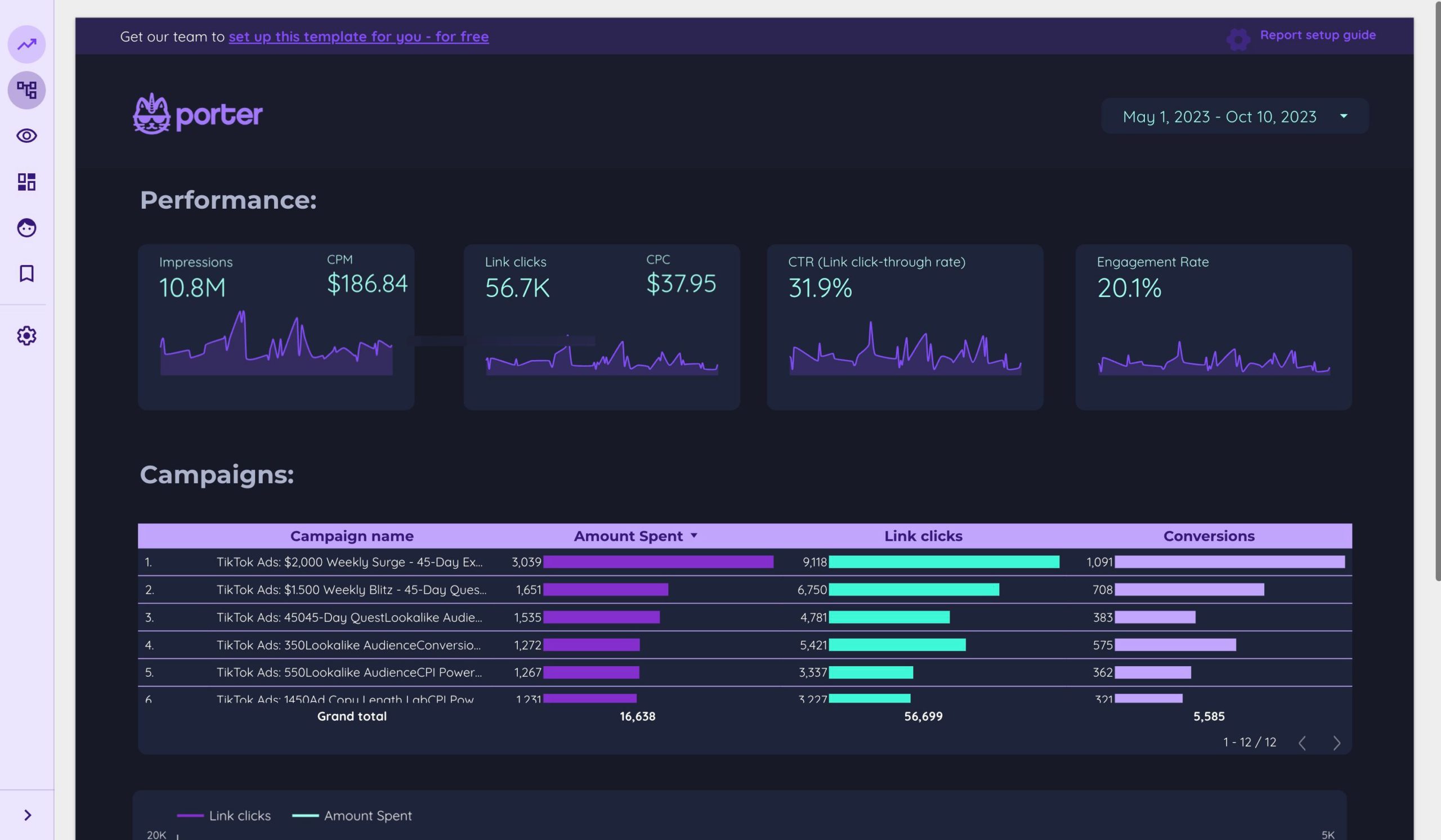
Before diving into the specifics of reporting, it's important to understand what TikTok ads campaign reporting entails. This process involves analyzing various metrics and insights provided by TikTok's analytics tools to evaluate the performance of your ad campaigns. By leveraging these insights, you can identify trends, optimize your strategies, and ultimately improve your return on investment (ROI).
Key Metrics to Track

To effectively report on your TikTok ads campaign, you need to track several key metrics that provide a comprehensive view of your campaign's performance. These metrics include:
- Impressions: The number of times your ad was shown to users.
- Click-Through Rate (CTR): The percentage of users who clicked on your ad after seeing it.
- Conversion Rate: The percentage of users who completed a desired action, such as making a purchase or signing up for a newsletter.
- Cost Per Click (CPC): The cost incurred for each click on your ad.
- Return on Ad Spend (ROAS): The revenue generated for every dollar spent on your ad.
By monitoring these metrics, you can gain valuable insights into how your ads are performing and where adjustments may be needed.
Setting Up Your Reporting Framework
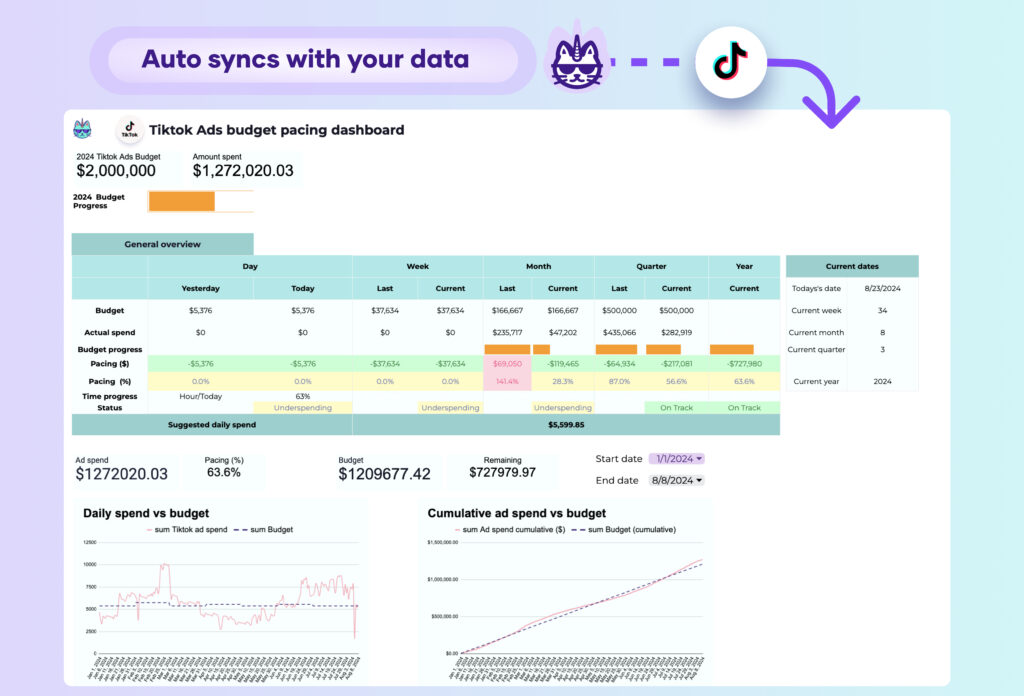
To ensure consistency and accuracy in your reporting, it's essential to set up a structured framework. This framework should include the following elements:
-
Define Clear Goals: Start by defining what you want to achieve with your TikTok ads campaign. Whether it's increasing brand awareness, driving sales, or generating leads, having clear goals will help you measure success.
-
Choose the Right Tools: Utilize TikTok's built-in analytics tools, such as the TikTok Business Suite, to track your campaign performance. Additionally, consider using third-party analytics platforms that offer more advanced features and customization options.
-
Establish a Reporting Schedule: Determine how often you will review your campaign data. Weekly or bi-weekly reports are common, but the frequency should align with your campaign's goals and the pace at which you expect to see results.
-
Create a Template: Develop a standardized template for your reports to ensure consistency. This template should include all the key metrics mentioned earlier, along with any additional insights or observations.
Analyzing Your Data
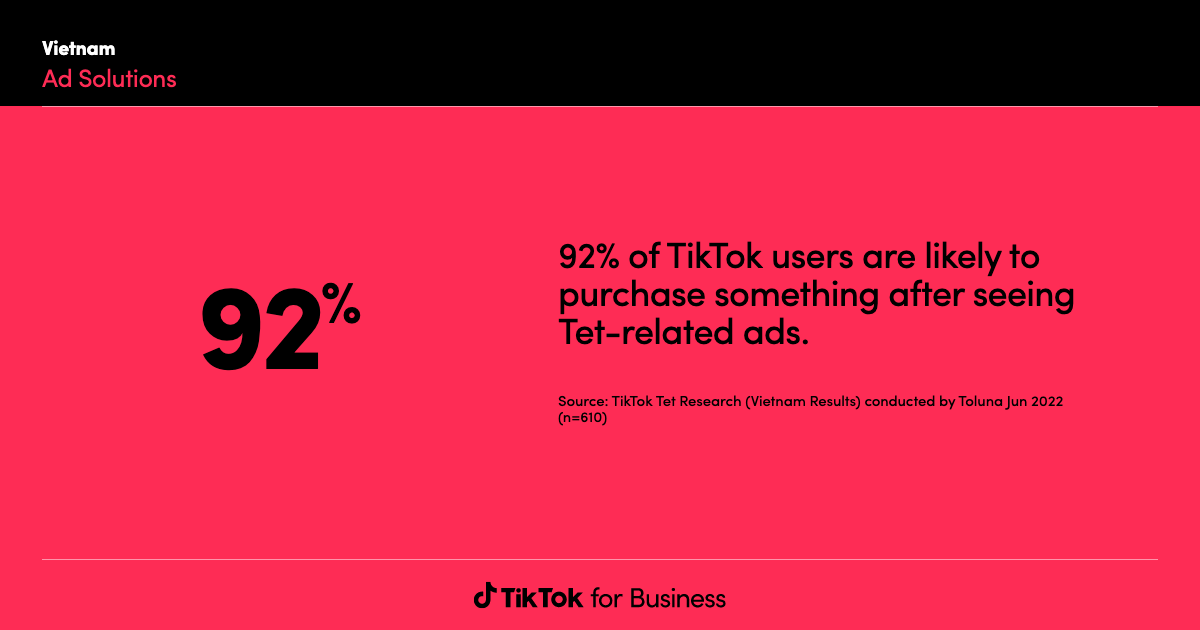
Once you have your reporting framework in place, the next step is to analyze your data. This involves interpreting the metrics you've tracked and identifying patterns or trends that may indicate areas for improvement. Here are some tips for effective data analysis:
- Compare Performance Across Campaigns: If you're running multiple campaigns, compare their performance to identify which strategies are most effective.
- Identify High-Performing Content: Look for content that generates high engagement and conversions. Use this information to refine your future campaigns.
- Monitor Audience Behavior: Pay attention to how different segments of your audience interact with your ads. This can help you tailor your messaging and targeting strategies.
Optimizing Your Campaigns
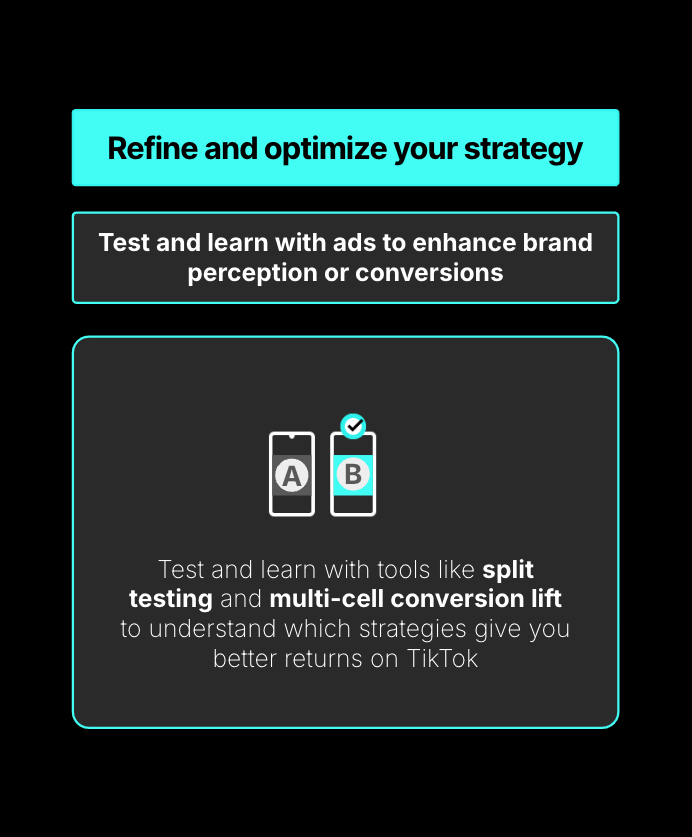
Based on your analysis, you can begin optimizing your TikTok ads campaigns. Here are some actionable steps to consider:
- A/B Testing: Experiment with different ad creatives, headlines, and calls to action to determine what resonates best with your audience.
- Refine Targeting: Use the insights gained from your data to refine your audience targeting. This can help you reach the right people at the right time.
- Adjust Bidding Strategies: If you're using TikTok's bidding system, adjust your bids based on the performance of your ads. Focus on maximizing ROI rather than just minimizing costs.
Leveraging TikTok's Features

TikTok offers a range of features that can enhance your ad campaigns and improve your reporting capabilities. Some of these features include:
- Spark Ads: These are native ads that blend seamlessly with organic content, making them more engaging for users.
- In-Feed Ads: These appear in the user's feed and can be tailored to match the style of the content they're already consuming.
- Live Streaming: Use live streaming to engage with your audience in real-time and gather immediate feedback on your campaigns.
By leveraging these features, you can create more compelling and interactive ad experiences that drive better results.
Conclusion

Effectively reporting on your TikTok ads campaign is essential for understanding its performance and making informed decisions. By tracking key metrics, setting up a structured reporting framework, analyzing your data, and optimizing your campaigns, you can maximize the impact of your TikTok advertising efforts. Remember, the goal is not just to run ads but to create meaningful connections with your audience and drive tangible business results. With the right approach, TikTok can be a powerful tool in your marketing arsenal.

Posting Komentar untuk "How to Effectively Report on Your TikTok Ads Campaign: A Complete Guide"
Posting Komentar