
How to Master TikTok Ads Campaign Reporting: A Complete Guide
TikTok has evolved from a platform for entertainment and trends into a powerful marketing tool. With its algorithm-driven For You Page (FYP) and growing social commerce features, brands are increasingly turning to TikTok to drive awareness, engagement, and sales. However, the key to success lies in effective TikTok ads campaign reporting. This guide will walk you through the essential steps to master TikTok ads reporting, ensuring your campaigns are not only creative but also data-driven.
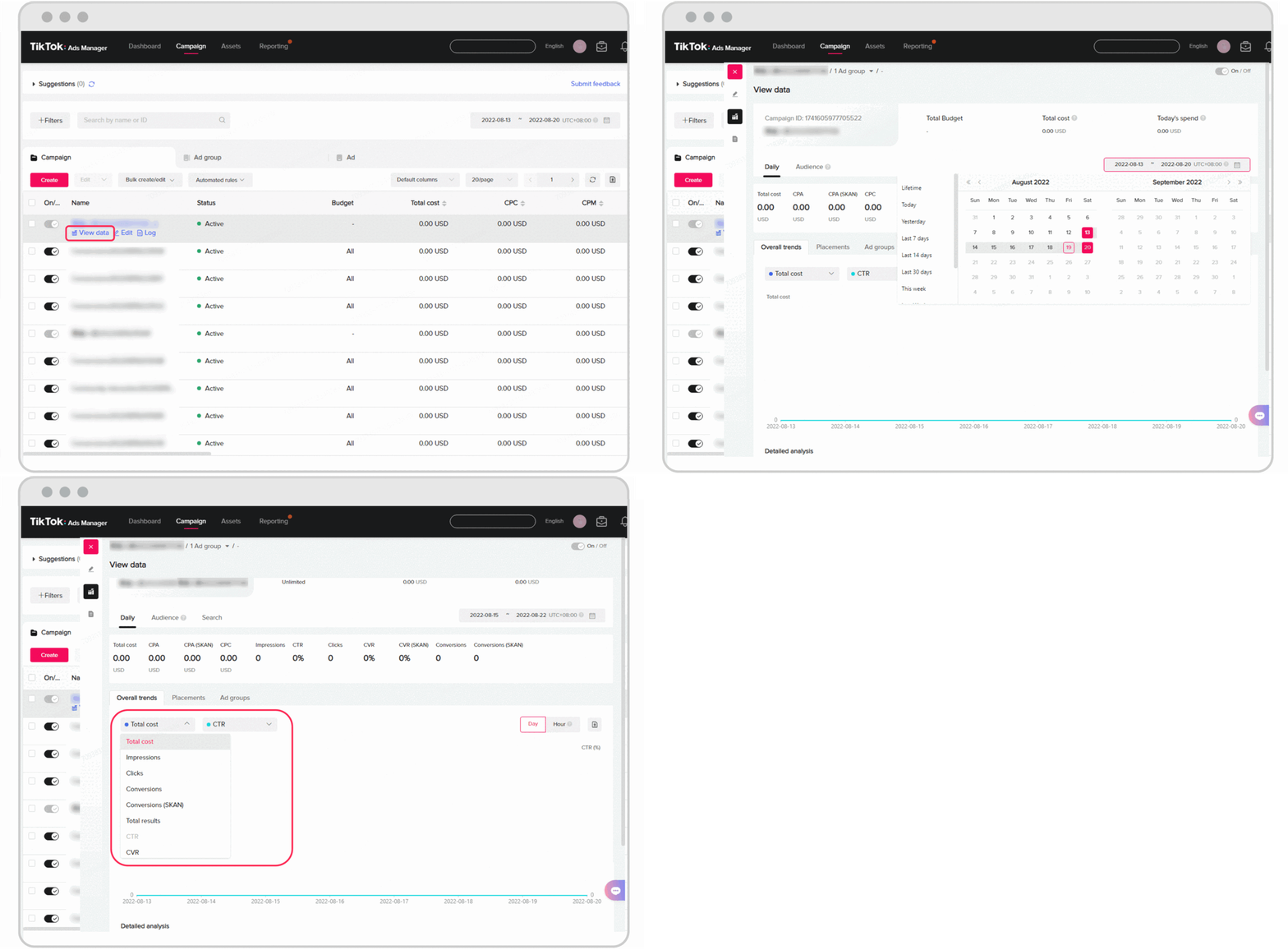
Understanding TikTok Ads Campaign Reporting

TikTok Ads Campaign Reporting is the process of analyzing the performance of your paid advertising efforts on the platform. It involves tracking metrics like impressions, clicks, conversions, and return on ad spend (ROAS). The goal is to understand what’s working, what’s not, and how to optimize future campaigns.
Why TikTok Ads Reporting Matters
- Data-Driven Decisions: Without proper reporting, you’re guessing. Reports help you make informed decisions based on real-time performance.
- Budget Optimization: Identifying underperforming ads allows you to reallocate budget to high-performing ones.
- Campaign Refinement: Continuous analysis helps refine your strategy, improving ROI over time.
- Transparency: Clear reports provide visibility into how your ads are performing, helping stakeholders understand the value of your efforts.
Key Metrics to Track in TikTok Ads Campaigns
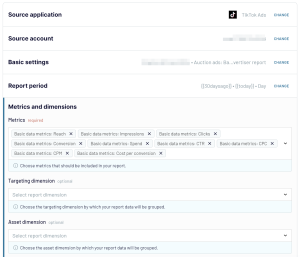
To effectively report on your TikTok ads, focus on these core metrics:
1. Impressions
Impressions measure how many times your ad was shown. While this is a good starting point, it doesn’t necessarily indicate engagement or conversion.
2. Click-Through Rate (CTR)
CTR shows how often users click on your ad after seeing it. A higher CTR means your ad is resonating with your audience.
3. Conversion Rate
This metric tracks how many users complete a desired action (e.g., making a purchase, signing up for a newsletter) after clicking your ad. It’s a strong indicator of ad effectiveness.
4. Cost Per Click (CPC)
CPC measures how much you pay for each click. Lower CPC means more efficient ad spending.
5. Return on Ad Spend (ROAS)
ROAS calculates the revenue generated for every dollar spent on ads. It’s crucial for evaluating profitability.
6. Engagement Rate
Engagement includes likes, comments, shares, and saves. High engagement signals that your content is resonating with viewers.
Best Practices for TikTok Ads Campaign Reporting

1. Set Clear Goals
Define what success looks like for your campaign. Whether it’s increasing brand awareness, driving traffic, or boosting sales, having clear goals ensures your reporting aligns with your objectives.
2. Use TikTok Ads Manager
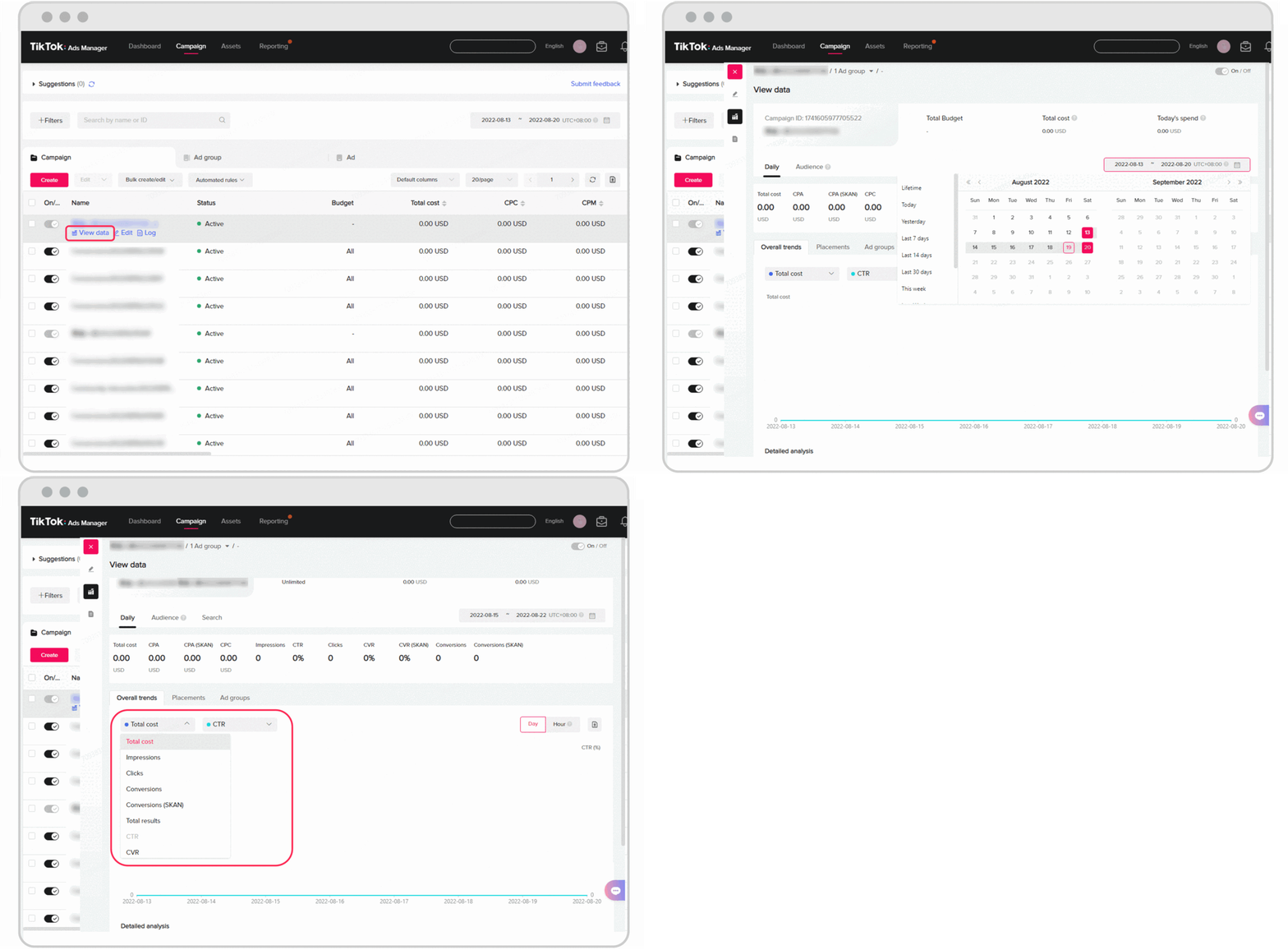
TikTok’s built-in Ads Manager provides detailed analytics. Familiarize yourself with its features to track performance in real time.
3. Segment Your Data
Break down your data by audience, ad format, and time frame. This helps identify patterns and opportunities for optimization.
4. Monitor Trends
TikTok’s algorithm favors content that aligns with current trends. Keep an eye on what’s trending and adjust your campaigns accordingly.
5. Test and Optimize
Run A/B tests to compare different ad creatives, headlines, and calls-to-action (CTAs). Use the insights to refine your approach.
Tools and Features for Effective Reporting
1. TikTok Ads Manager
The primary tool for managing and reporting on TikTok ads. It offers a comprehensive dashboard with metrics like impressions, clicks, and conversions.
2. Third-Party Analytics Tools
Tools like Google Analytics, Meta Business Suite, and others can integrate with TikTok to provide deeper insights. They help track user behavior beyond the platform.
3. UTM Parameters
Use UTM parameters to track the source of traffic and measure the effectiveness of your TikTok campaigns. This is especially useful for multi-channel marketing strategies.
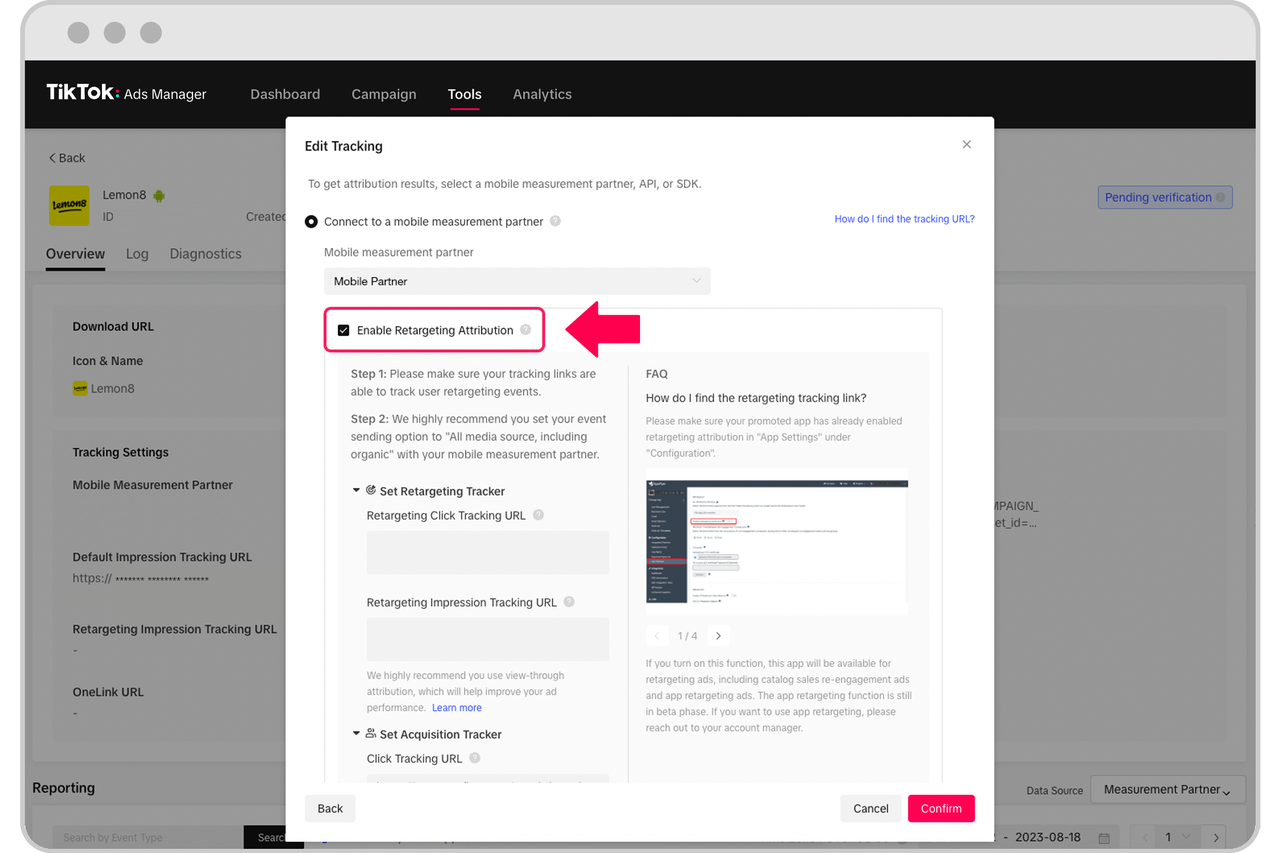
4. Retargeting
Retargeting allows you to re-engage users who have interacted with your ads. Use this feature to improve conversion rates and reduce customer acquisition costs.
Common Pitfalls to Avoid
1. Overlooking the FYP Algorithm
TikTok’s algorithm prioritizes content that keeps users engaged. Ensure your ads are optimized for the FYP by focusing on high-quality visuals and compelling hooks.
2. Ignoring Audience Insights
Understanding your audience is key. Use TikTok’s demographic and interest-based targeting to ensure your ads reach the right people.
3. Not Tracking Conversions
Many brands focus solely on clicks without tracking actual conversions. Make sure to set up conversion tracking to measure the true impact of your ads.
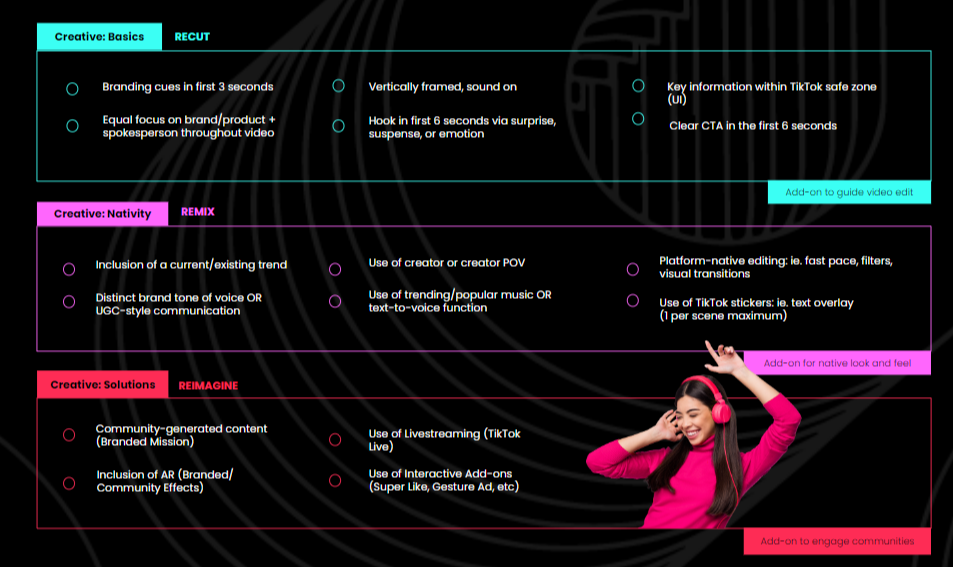
4. Neglecting Creative Quality
High-quality, engaging content performs better. Invest in professional production and ensure your ads align with TikTok’s style.
Conclusion
Mastering TikTok Ads Campaign Reporting is essential for any brand looking to succeed on the platform. By understanding key metrics, using the right tools, and avoiding common pitfalls, you can turn your TikTok ads into a powerful growth engine. Remember, the goal isn’t just to create great content—it’s to create data-driven, high-performing campaigns that deliver measurable results.

Posting Komentar untuk "How to Master TikTok Ads Campaign Reporting: A Complete Guide"
Posting Komentar