
How to Run Effective TikTok Ads for Local Clients in 2024
TikTok has evolved from a platform for trends and entertainment into a powerful marketing tool that brands can leverage to reach local audiences. With its unique algorithm, which prioritizes content performance over follower count, TikTok offers an opportunity for local businesses to grow their visibility and drive sales without the need for massive budgets. In this article, we’ll explore how to run effective TikTok ads for local clients in 2024.

Understanding TikTok’s Unique Algorithm

TikTok's For You Page (FYP) is the heart of the platform. Unlike Instagram or YouTube, where content is often shared with followers, TikTok’s algorithm is based on interest graphs rather than social graphs. This means that users are shown content they might be interested in, regardless of whether they follow the account. For local clients, this is a huge advantage because it allows them to reach potential customers who may not have heard of their business before.
To succeed on TikTok, your strategy should focus on creative testing, retention, and performance signals such as watch time, rewatches, shares, and comments. The key is to create content that resonates with your target audience and keeps them engaged.
Define Clear Goals for Your TikTok Ads
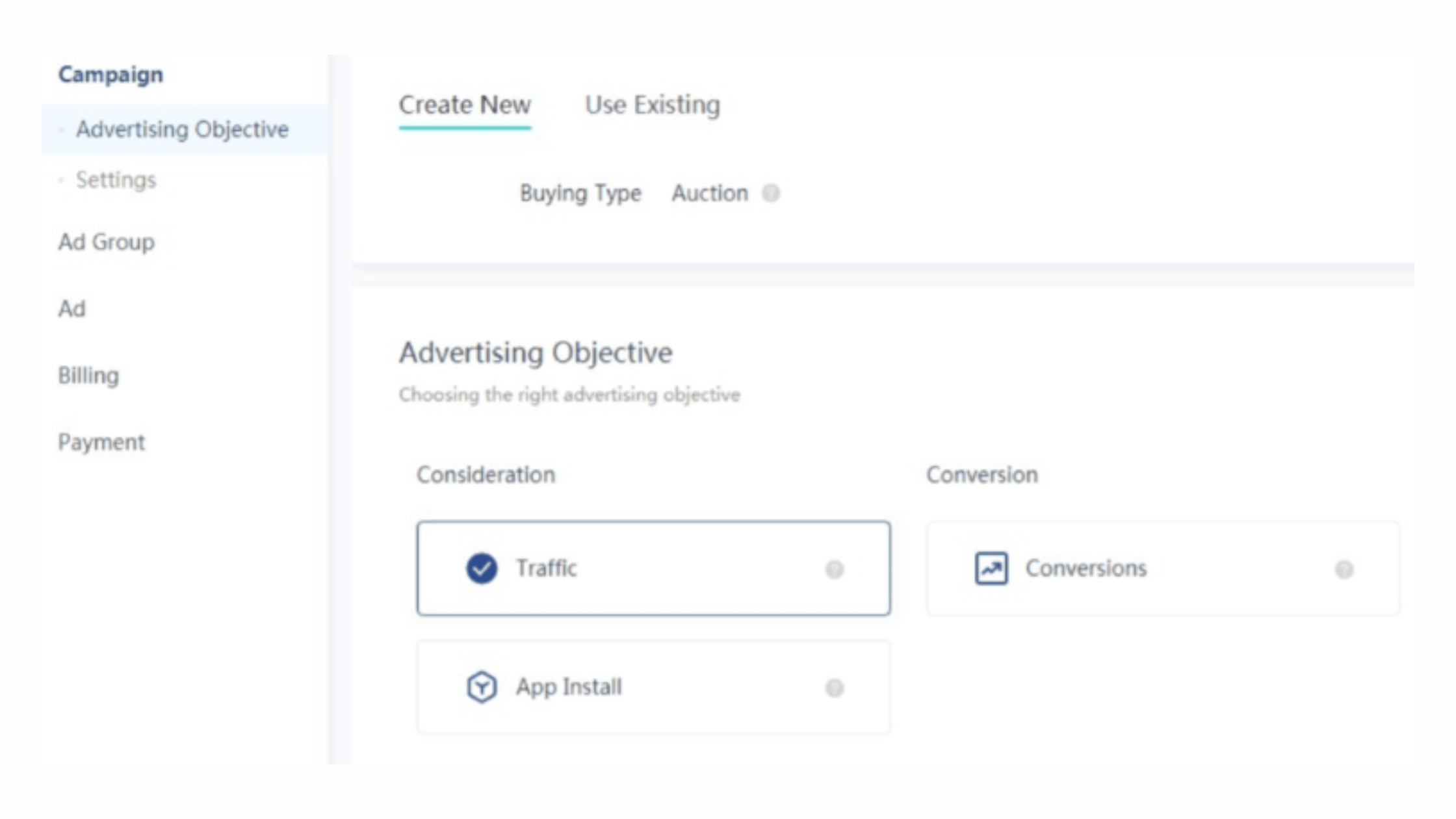
Before launching any TikTok ad campaign, it's essential to define clear goals. Are you aiming to increase brand awareness, generate leads, or drive direct sales? Each objective will shape your approach to content creation, targeting, and measurement.
- Brand Awareness: Optimize for reach, watch time, shares, and follows. Focus on broad, relatable content with fast hooks.
- Lead Generation: Drive clicks to landing pages, quizzes, waitlists, or newsletters. Use “comment to get” CTAs and pinned comments.
- Direct Sales: Design content around product proof—UGC, demos, before/after comparisons, and objections. Ensure your fulfillment can handle demand spikes.
- App Installs: Highlight the problem your app solves, show the workflow in 10 seconds, and use social proof + a single CTA (“Download,” “Try,” “Install”).
Identify Your Target Audience

Understanding your audience is crucial for creating content that resonates. On TikTok, users form around interests and formats, so it's important to build your audience definition around how people watch.
- Behavioral Segmentation: Who is searching, saving, commenting, or buying? Example segments: “deal hunters,” “routine viewers,” “comparison shoppers,” “DIY learners.”
- Interest Clusters: Identify 5–10 topics your customers binge (not just your niche). A skincare brand might map clusters like “acne solutions,” “derm tips,” “budget routines,” “product dupes.”
- Trend Participation Patterns: Some audiences love trends; others prefer tutorials and reviews. Track what your audience shares, not only what they like.
Build a Content Strategy That Works

Once you have a clear goal and audience, it's time to build a content strategy. Here are some key elements to consider:
- Content Pillars: Create a mix of educational, entertaining, and promotional content. Educational content includes how-tos, myths, tips, and breakdowns. Entertaining content includes trend-led videos, relatable humor, and POVs. Promotional content includes demos, offers, testimonials, and comparisons.
- Trend Hijacking: Use trends as a delivery mechanism for your message. Don’t force it. If you can’t link the trend to a customer problem in one sentence, skip it.
- Storytelling Formats: Use formats like “Day in the Life,” “Behind the Product,” “Customer Journey,” “From Problem to Result,” and “We Fixed X.”
- Native Content vs Polished Ads: TikTok rewards native-feeling content. Polished creatives can work, especially for ads, but they often perform better when they still look like TikTok (on-screen text, voiceover, quick pacing, real settings).
Leverage TikTok SEO
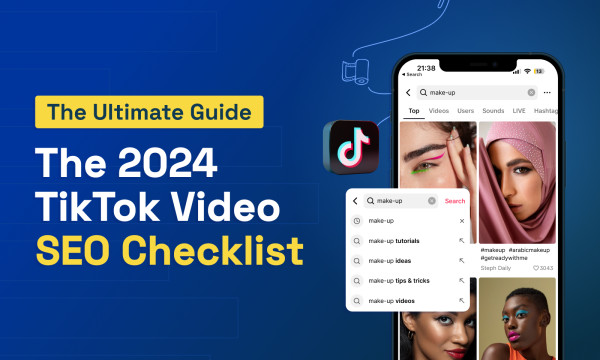
TikTok is now a search-driven platform. A modern TikTok marketing strategy includes TikTok SEO so your videos keep getting discovered weeks later.
- Keyword-Based Captions: Write captions like mini search answers. Include your primary keyword naturally (e.g., “TikTok ads for local clients”) plus a specific angle (“for small business,” “for beginners”).
- On-Screen Text Optimization: Put the main keyword or question on screen. TikTok often reads this text, and users scan it while scrolling.
- Voiceover Keywords: Say the keyword out loud in the first 5–8 seconds. Spoken words reinforce relevance for search discovery.
- Search Intent Targeting: Create videos that match real queries:
- “how to run TikTok ads for local clients”
- “TikTok marketing plan for small businesses”
- “TikTok ads for local businesses”
Test and Refine Your Ads
Consistency matters, but “consistent learning” matters more. Build a system you can maintain.
- Posting Frequency: Start realistic. Many brands see traction at 3–5 posts/week when the quality and hooks are strong. Increase only when you can maintain creative freshness.
- A/B Testing Hooks: Test one variable at a time—hook line, first visual, angle, or CTA. Keep the rest similar so you know what changed performance.
- First 3-Second Retention Strategy: Your first seconds should do one job: stop the scroll. Use movement, a clear promise, a bold result, or instant proof.
- Simple Testing Loop: Post → review retention + shares → make 2 improved versions → repeat weekly.
Conclusion
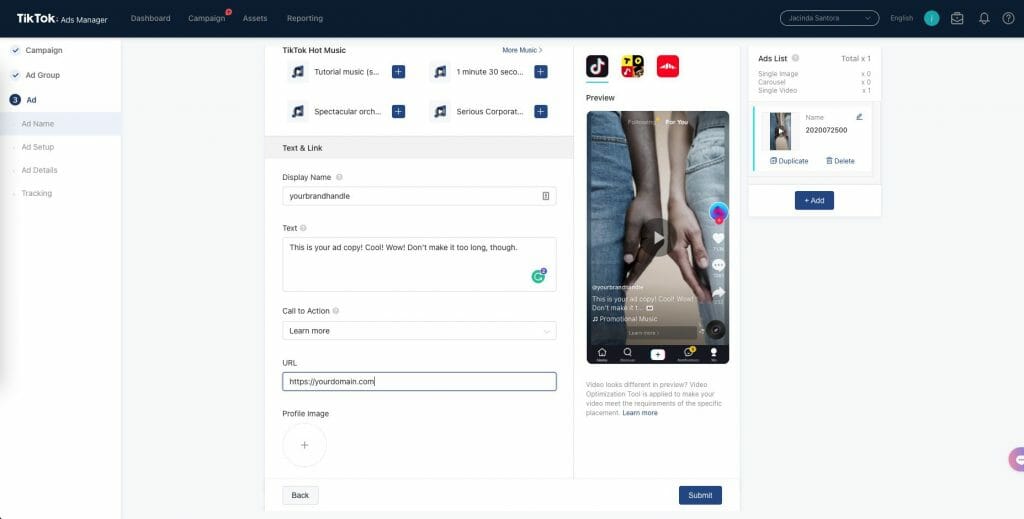
Running effective TikTok ads for local clients in 2024 requires a strategic approach that focuses on content performance, audience engagement, and continuous testing. By understanding TikTok’s unique algorithm, defining clear goals, and leveraging SEO and creative strategies, local businesses can successfully grow their presence and drive meaningful results on the platform.

Posting Komentar untuk "How to Run Effective TikTok Ads for Local Clients in 2024"
Posting Komentar