
How to Run TikTok Ads Effectively: A Complete Guide for 2024
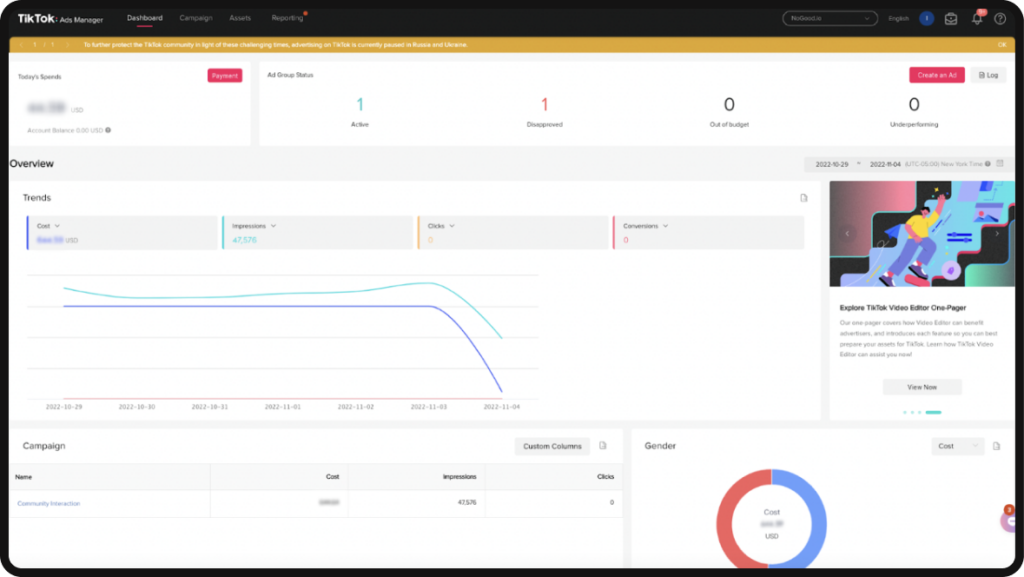
TikTok isn’t just a place for trends and entertainment anymore—it’s where people discover new products, compare options, and decide what to buy next. That’s why having a clear TikTok marketing strategy matters more than simply posting random videos. In this guide, you’ll learn how to build a practical TikTok strategy for brands that grows reach, earns attention on the For You Page, and turns views into clicks and sales. We’ll break down what works right now—from TikTok SEO and content pillars to creator-led UGC, analytics, and a realistic TikTok marketing plan you can follow. Whether you’re launching a new product, scaling an ecommerce store, or improving performance, these TikTok marketing strategies will help you create consistent results without sounding like an ad.
Why TikTok Is Different From Instagram & YouTube

TikTok is built around discovery. Most views come from the For You Page, where users see content from accounts they don’t follow. That’s why a smart TikTok strategy for brands focuses on creative testing and retention, not only audience size. DataReportal’s analysis of Similarweb app data shows TikTok users open the app frequently and spend significant time per day, reinforcing how much opportunity exists for discovery-led reach.
Key Differences Between TikTok and Other Platforms
- Interest Graph vs Social Graph: Instagram is still heavily social-graph driven (followers and existing connections). TikTok is more “interest graph”—it learns what people watch, rewatch, and search, then serves more of that.
- Content-First Distribution: TikTok distributes videos, not profiles. One strong video can outperform months of consistent posting because distribution is based on performance signals (watch time, rewatches, shares).
- Short Attention Span Optimization: On TikTok, the first seconds decide everything. Similarweb data cited in DataReportal shows users spend meaningful time per day on TikTok, but sessions are designed for fast decisions—swipe or stay.
Why Brands Can’t Ignore TikTok Anymore
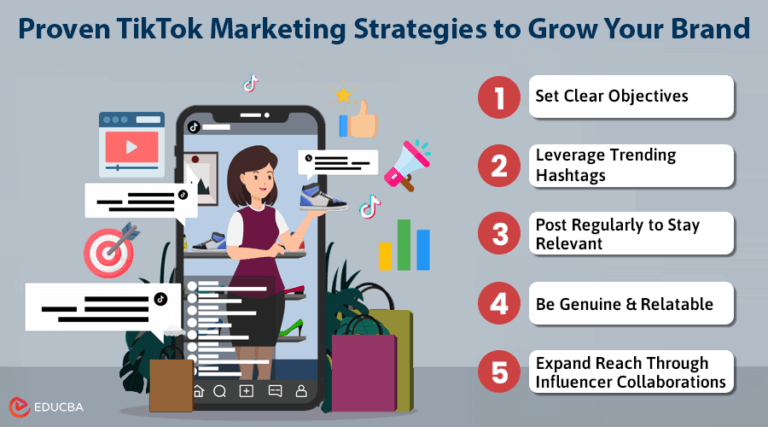
TikTok continues to rank among the most-used social apps globally, and DataReportal’s platform usage analysis places TikTok high in worldwide app usage rankings—making it a serious channel for consistent brand reach, not just viral hits on TikTok.
Key Reasons to Leverage TikTok for Marketing
- Gen Z + Millennial Purchasing Power: Forbes reports that 63% of Gen Z have made purchases on TikTok, highlighting how strongly social content influences commerce behavior.
- Rise of TikTok Shop: TikTok is no longer just “top of funnel.” TikTok Shop has rapidly pushed social commerce mainstream in key markets, with strong adoption and growing category sales (especially health/beauty and apparel in the U.S.).
- Search Engine Behavior: TikTok is also a discovery search tool. A 2024–2025 consumer purchasing behavior report notes that many users—especially Gen Z—use TikTok search for information and product discovery, which is why TikTok SEO (keywords in captions, on-screen text, and voice) now belongs inside your TikTok brand strategy.
How to Develop a TikTok Marketing Strategy Step by Step
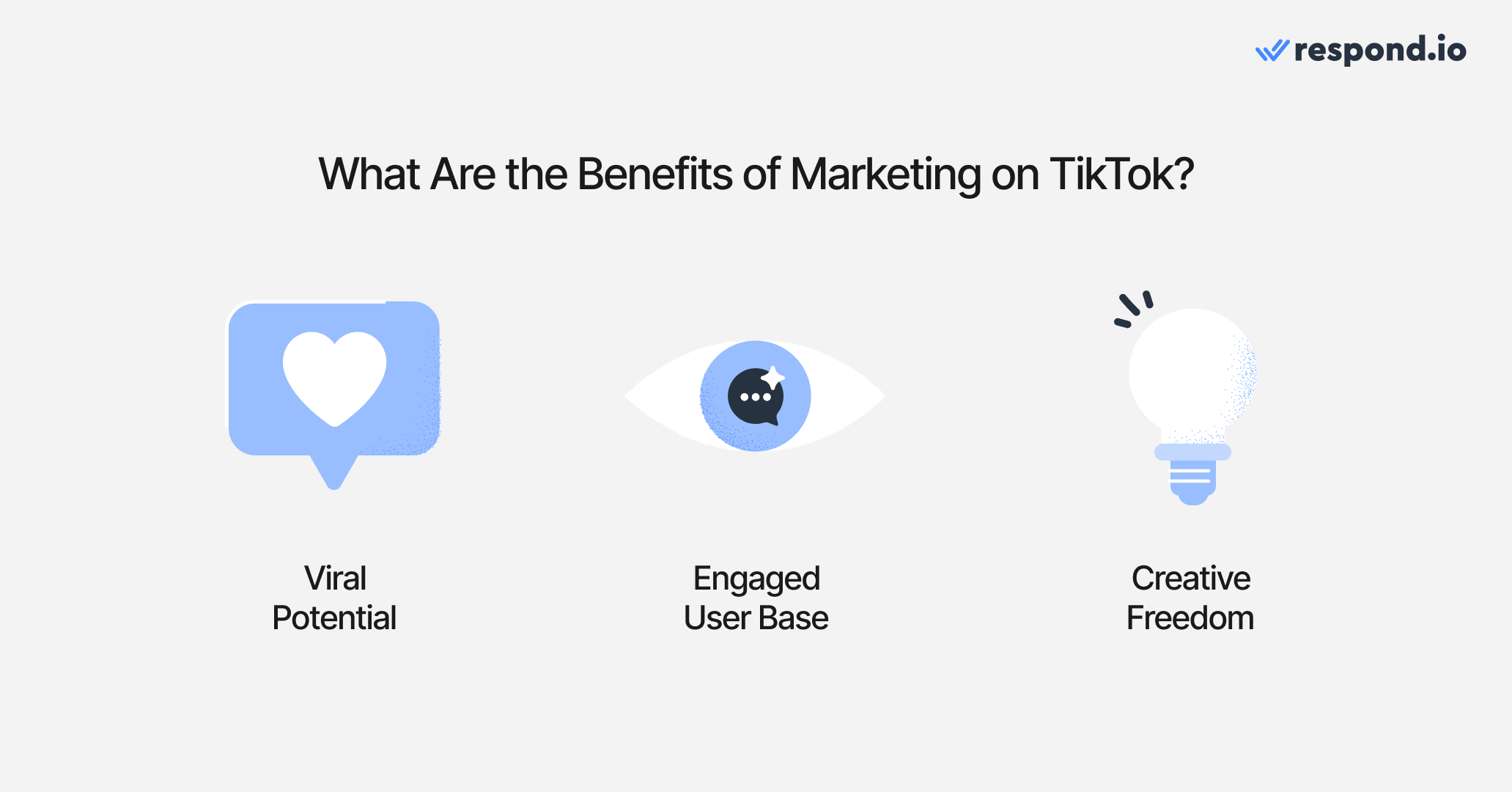
A high-performing TikTok marketing strategy isn’t about posting “more.” It’s about building a repeatable system: clear goals, a defined audience, a content engine, and a testing loop that improves results every week.
Define Clear Goals
Start with one primary outcome. TikTok can do everything, but strategies perform best when your content and metrics match a single goal.
- Brand Awareness: Optimize for reach, watch time, shares, and follows. Prioritize broad, relatable content and fast hooks that get FYP distribution.
- Lead Generation: Drive clicks to a landing page, quiz, waitlist, or newsletter. Use “comment to get” CTAs, pinned comments, and simple offers.
- Direct Sales: Design content around product proof—UGC, demos, before/after, comparisons, and objections. If you sell physical products, ensure fulfillment can handle demand spikes.
- App Installs: Lead with the problem your app solves, show the workflow in 10 seconds, and use social proof + a single CTA (“Download,” “Try,” “Install”).
Identify Your Target Audience on TikTok

TikTok audiences don’t behave like “traditional” social followers. They form around interests and formats. Build your audience definition around how people watch.
Behavioral Segmentation
- Who is searching, saving, commenting, or buying? Example segments: “deal hunters,” “routine viewers,” “comparison shoppers,” “DIY learners.”
- Interest clusters: Identify 5–10 topics your customers binge (not just your niche). A skincare brand might map clusters like “acne solutions,” “derm tips,” “budget routines,” “product dupes.”
- Trend participation patterns: Some audiences love trends; others prefer tutorials and reviews. Track what your audience shares, not only what they like.
Analyze Competitors & Viral Content
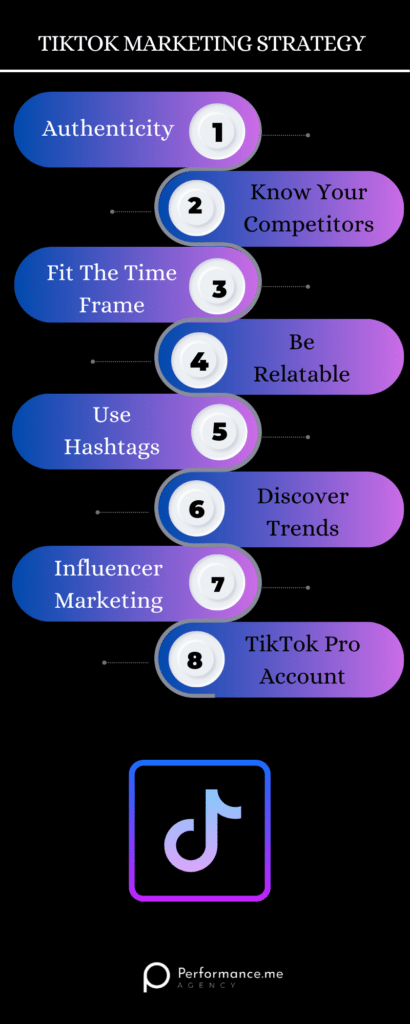
Your strategy gets sharper when you stop copying competitors and start extracting patterns.
Content Gap Analysis
List what competitors post repeatedly—and what they don’t explain well (pricing clarity, “how it works,” myths, results timelines). Those gaps are your opportunity.
Hook Patterns
Save openings that consistently win: bold claim, unexpected reveal, quick demo, “3 mistakes,” “I tried X so you don’t have to.”
Video Structure
Most viral brand videos follow a simple sequence: Hook → Proof → Payoff → CTA. If a competitor’s content is going viral, reverse-engineer the format, not the topic.
Build a TikTok Content Strategy
This is where your TikTok marketing plan becomes executable. Create a content system that’s easy to repeat—then improve it through testing.
Content Pillars
- Educational: how-to, myths, tips, breakdowns
- Entertaining: trend-led, relatable humor, POVs
- Promotional: demos, offers, testimonials, comparisons
Aim for a mix, but keep your weekly output consistent.
Create a Posting & Testing Framework
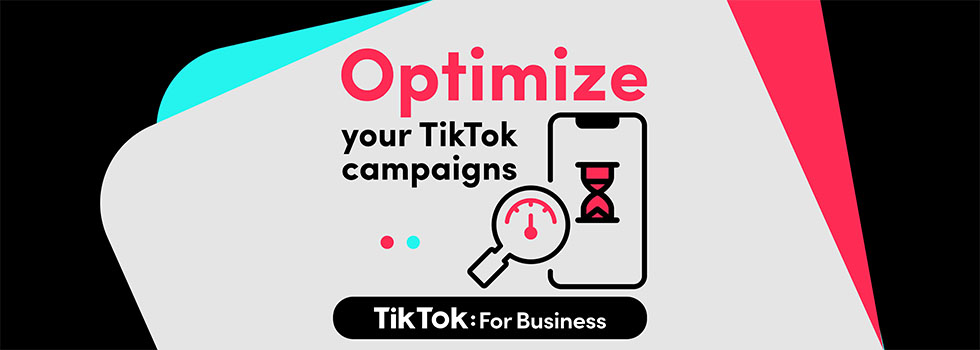
Consistency matters—but “consistent learning” matters more. Build a system you can maintain.
Posting Frequency
Start realistic. Many brands see traction at 3–5 posts/week when the quality and hooks are strong. Increase only when you can maintain creative freshness.
A/B Testing Hooks
Test one variable at a time—hook line, first visual, angle, or CTA. Keep the rest similar so you know what changed performance.
First 3-Second Retention Strategy
Your first seconds should do one job: stop the scroll. Use: - movement (hands/product/action) - a clear promise (“Here’s how to…”) - a bold result (“This changed my…”) - or instant proof (before/after, demo, screenshot)
Leverage TikTok SEO
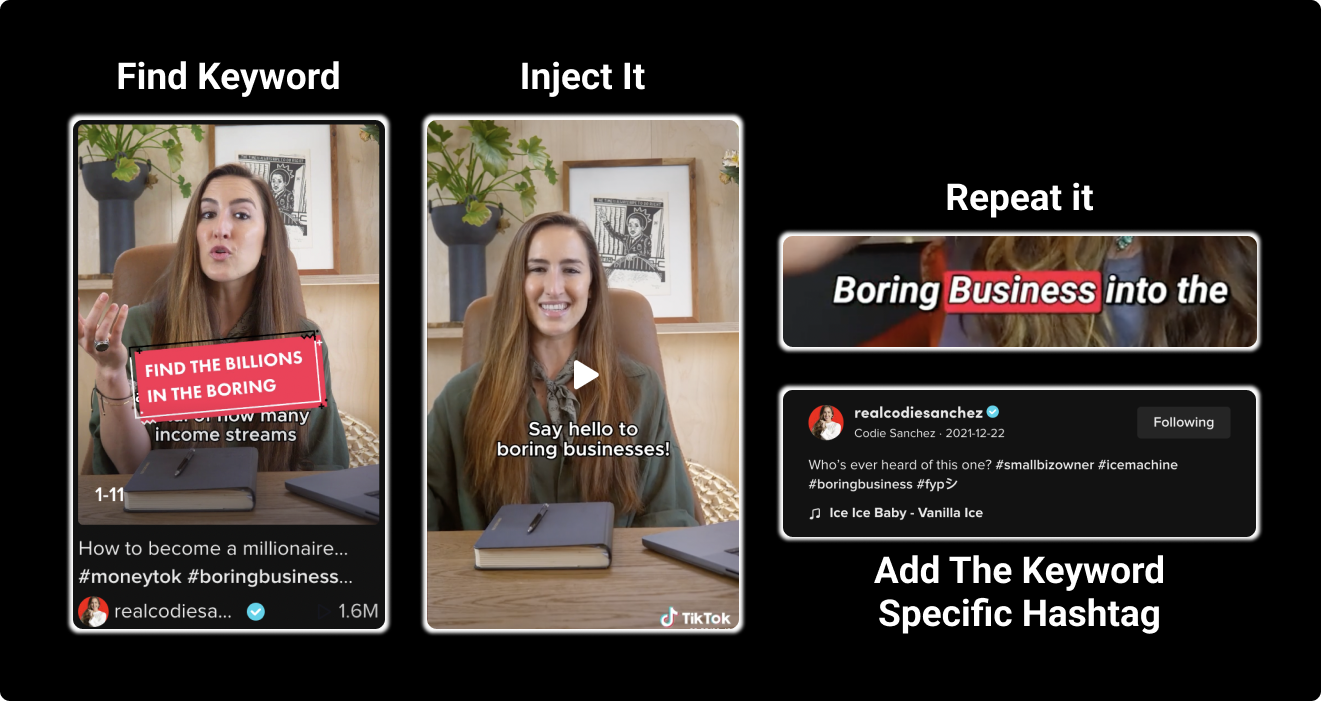
TikTok is now a search-driven platform too. A modern TikTok marketing strategy includes TikTok SEO so your videos keep getting discovered weeks later.
Keyword-Based Captions
Write captions like mini search answers. Include your primary keyword naturally (e.g., “TikTok marketing strategy for brands”) plus a specific angle (“for ecommerce,” “for small business,” “for beginners”).
On-Screen Text Optimization
Put the main keyword or question on screen. TikTok often reads this text, and users scan it while scrolling.
Voiceover Keywords
Say the keyword out loud in the first 5–8 seconds. Spoken words reinforce relevance for search discovery.
TikTok Content Strategies That Actually Work
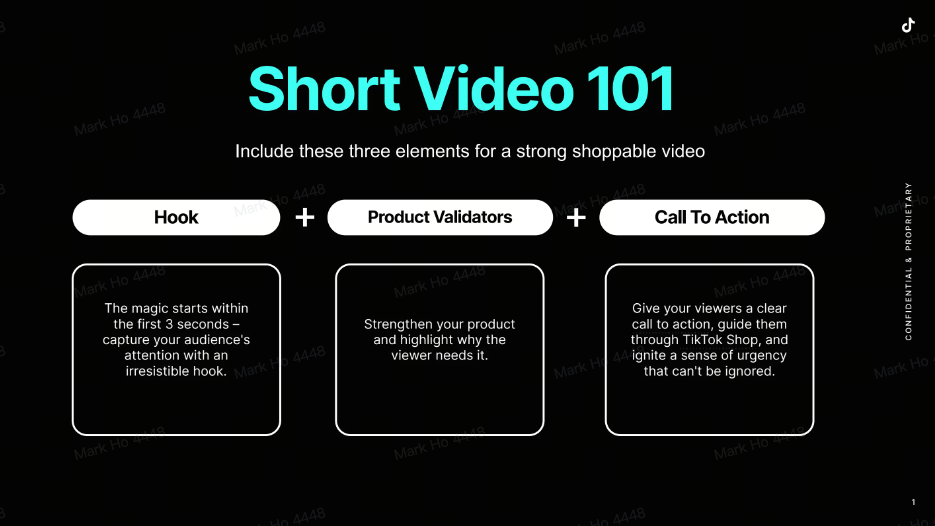
Once your framework is in place, your results depend on execution—especially hooks, proof, and consistency. The tactics below are the most reliable for brands because they align with how TikTok distributes content (FYP-first) and how users decide what to watch, trust, and buy.
Hook-First Video Framework
A strong hook isn’t clickbait—it’s clarity + curiosity. Use one of these structures to improve retention fast:
- Pattern Interrupt: Start with something unexpected (a bold visual, a surprising statement, a quick transformation).
- Curiosity Gap: Make viewers feel they’ll miss something useful if they scroll.
- Problem–Agitate–Solution: Call out the pain, intensify it, then solve it.
UGC & Creator-Led Marketing
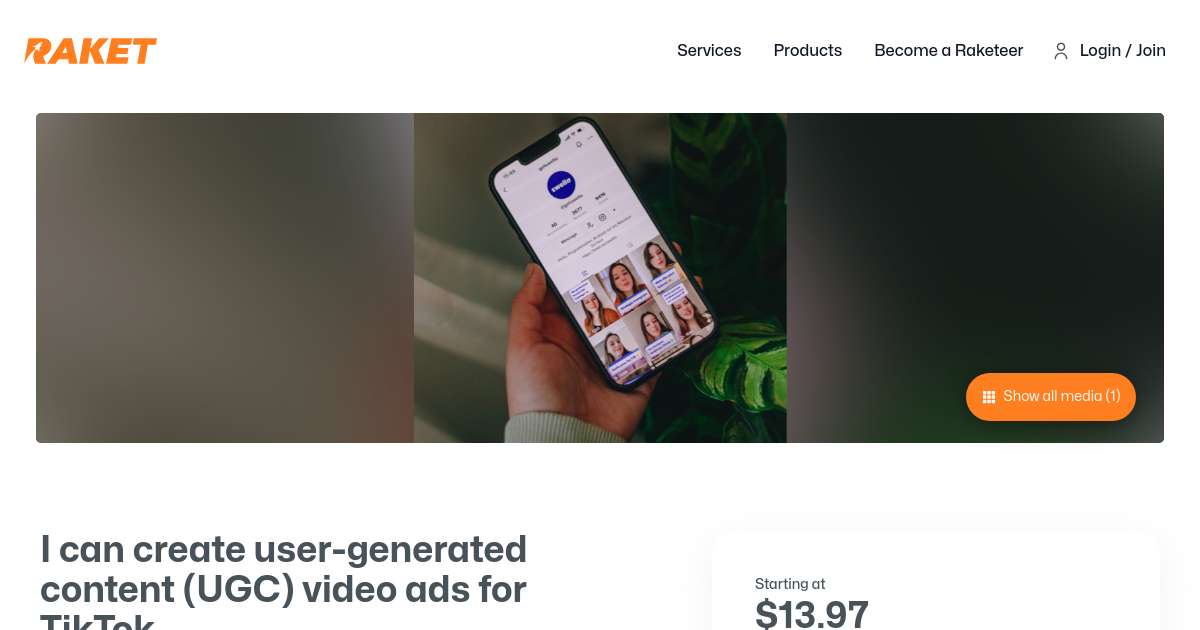
UGC is conversion fuel because it feels real, fast, and relatable—exactly what TikTok users trust.
Micro-Influencers
Smaller creators often drive better engagement and trust because their audiences are tighter and more specific.
Affiliate Partnerships
Give creators a simple offer + tracked link or code. Let them sell in their own voice.
Spark Ads
Boost creator posts (or your own organic posts) through TikTok Ads so you scale content that already “proved” itself.
Conclusion

TikTok continues to evolve rapidly, and brands must adapt. AI-generated content, TikTok search dominance, and the growth of the creator economy are all shaping the future of TikTok marketing. Brands that combine creativity, data, and a clear TikTok marketing strategy will continue to outperform competitors as the platform evolves.
By following the steps outlined in this guide, you can run TikTok ads effectively and turn your content into a powerful growth engine. Keep experimenting, test hooks, angles, formats, and TikTok SEO keywords weekly, then scale what wins with Spark Ads and retargeting. If you’re selling products, make sure your fulfillment can keep up when a video pops—Spocket helps ecommerce brands source fast-shipping items so you can turn viral demand into real revenue.

Posting Komentar untuk "How to Run TikTok Ads Effectively: A Complete Guide for 2024"
Posting Komentar