
How to Set the Perfect TikTok Ad Budget: A Complete Guide for Marketers
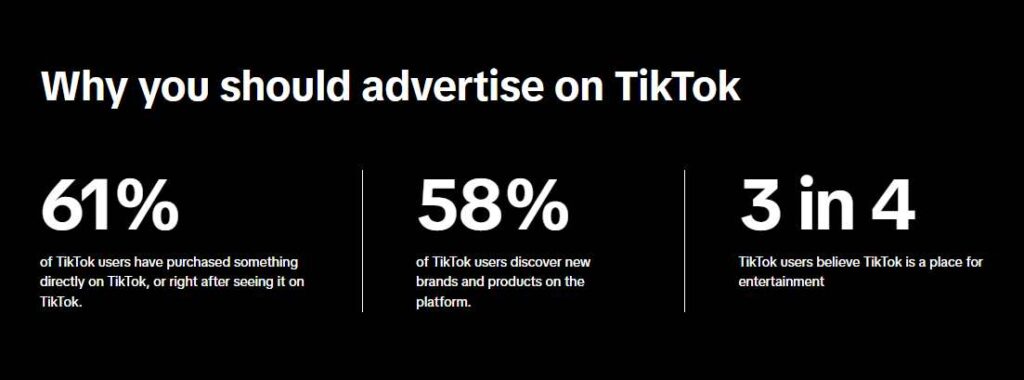
TikTok has become a powerful advertising platform, with over 1 billion monthly active users and a growing audience that spans all age groups. As brands look to tap into this massive user base, setting the right ad budget is crucial for maximizing return on investment (ROI). Whether you're a small business owner or a marketing professional, understanding how to set and manage your TikTok ad budget can make all the difference in your campaign's success.

Understanding TikTok Ad Costs
Before diving into budgeting, it's important to understand how TikTok ad costs work. The platform offers various ad formats, each with different pricing models. The most common cost models include:
- Cost per Mille (CPM): This is the cost per 1,000 impressions.
- Cost per Click (CPC): This is the cost when someone clicks on your ad.
- Cost per Action (CPA): This is the cost when a user completes a specific action, such as making a purchase or signing up for a newsletter.
The average CPM on TikTok ranges from $6 to $10, while the average CPC is around $1. However, these figures can vary depending on factors like competition, target audience, and ad format.
Minimum Budget Requirements
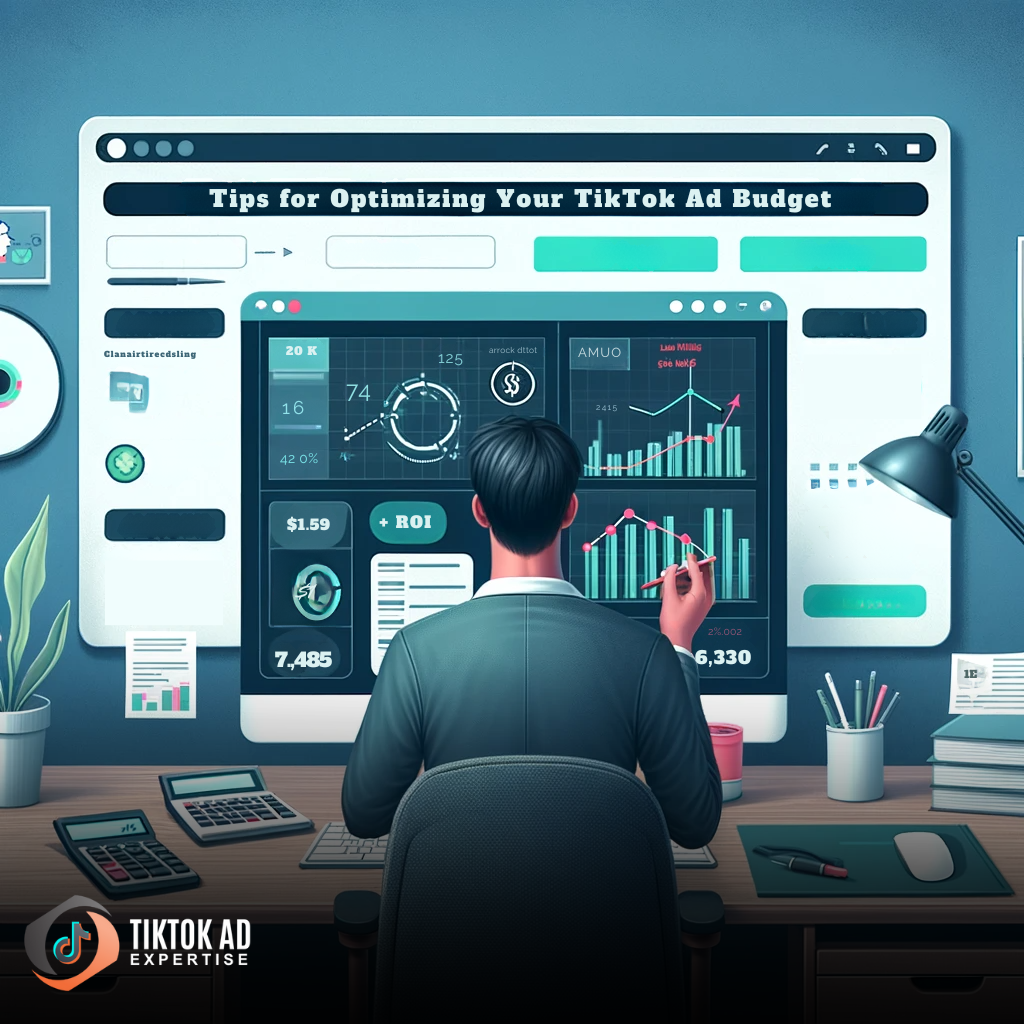
TikTok has minimum budget requirements to ensure that your ads continue to run effectively. Here are the key figures to keep in mind:
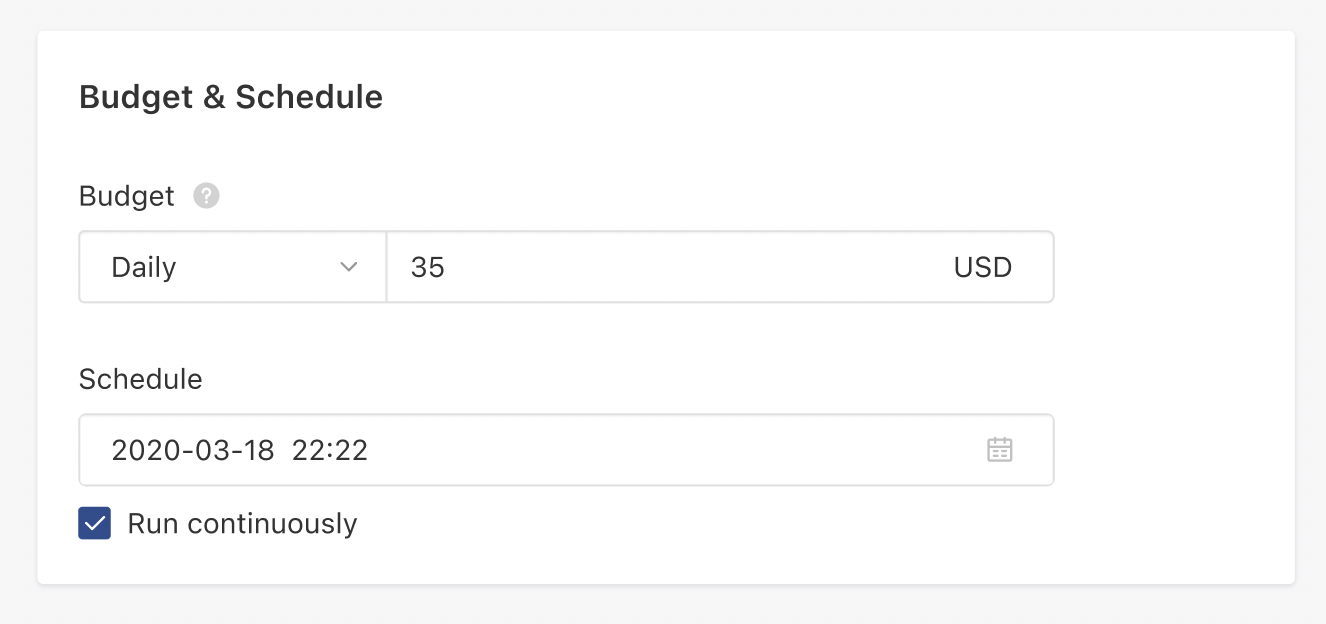
- Campaign Level: A minimum of $500 for a lifetime budget or $50 per day.
- Ad Group Level: A minimum of $50 total or $20 per day.
These minimums help ensure that your ads have enough visibility and reach to make an impact. However, it's important to note that starting with the minimum budget may not be sufficient for optimal results, especially if you're targeting a competitive niche.
Factors Influencing TikTok Ad Costs

Several factors can influence the cost of your TikTok ads. Understanding these factors can help you optimize your budget and achieve better results. Key factors include:
1. Ad Format and Placement
Different ad formats come with varying costs. For example: - In-Feed Ads: These are the most affordable, typically costing between $0.10 and $0.30 per click. - TopView Ads: These premium placements start at $50,000 per day. - Branded Hashtag Challenges: These can range from $80,000 to $150,000 for a week.
2. Target Audience Demographics and Location
The cost of your ads can also be influenced by the demographics and location of your target audience. Some audiences may be more expensive to reach due to higher competition or specific interests.
3. Campaign Objectives and Performance Metrics
Your campaign goals play a significant role in determining ad costs. For instance, campaigns focused on brand awareness may have different pricing structures compared to those aimed at driving conversions.
4. Seasonal Trends and Competition
Ad prices can fluctuate based on seasonal trends and the level of competition. During peak shopping seasons or major events, ad costs may increase due to higher demand.
Tips for Maximizing Your TikTok Ad Budget

To get the most out of your TikTok ad budget, consider the following strategies:
1. Start Small and Scale Gradually
Begin with a smaller budget to test different ad creatives, audiences, and offers. Once you identify what works, gradually increase your budget to scale your efforts.
2. Focus on High-Performing Content
Invest in creating engaging, high-quality content that resonates with your target audience. Strong creative is essential for capturing attention and driving conversions.
3. Leverage Influencer Partnerships
Collaborating with TikTok influencers can help you reach new audiences and build credibility. Nano-influencers can be cost-effective, while macro-influencers offer broader reach.
4. Optimize Ad Formats for Best Performance
Choose ad formats that align with your goals and budget. For example, In-Feed Ads are ideal for driving engagement, while TopView Ads are best for maximizing brand exposure.
5. Utilize TikTok’s Analytics Tools
TikTok provides detailed analytics to help you track the performance of your campaigns. Use this data to refine your strategy and make informed decisions.
Common Mistakes to Avoid

While setting up your TikTok ad budget, it's important to avoid common pitfalls that can lead to wasted spend and poor results. Here are some mistakes to watch out for:
1. Ignoring the Learning Phase
TikTok's algorithm needs time to learn about your audience and optimize ad delivery. Avoid making frequent changes to your ads during this phase, as it can reset the learning process.
2. Reusing Creative from Other Platforms
TikTok rewards native content, so reusing creative from other platforms like Instagram Reels or Snapchat can lead to lower performance. Instead, create content specifically tailored for TikTok.
3. Not Testing Different Variations
A/B testing is crucial for finding the best-performing ad variations. Test different headlines, visuals, and calls to action to determine what resonates with your audience.
4. Overlooking the Importance of Landing Pages
A well-designed landing page is essential for converting viewers into customers. Ensure that your landing page is mobile-friendly, fast-loading, and aligned with your ad messaging.
Conclusion
Setting the perfect TikTok ad budget requires a combination of strategic planning, data analysis, and continuous optimization. By understanding the factors that influence ad costs, leveraging effective strategies, and avoiding common mistakes, you can maximize your ROI and achieve your marketing goals. Whether you're a seasoned marketer or just starting out, mastering TikTok ad budgeting is essential for success in today's digital landscape.

Posting Komentar untuk "How to Set the Perfect TikTok Ad Budget: A Complete Guide for Marketers"
Posting Komentar