
How to Set Up a Simple TikTok Advertising Campaign in 2024
TikTok has evolved from a platform for short-form entertainment into a powerful tool for brand awareness, lead generation, and direct sales. With over 1 billion active users globally, it's no surprise that businesses are leveraging TikTok advertising to reach younger, tech-savvy audiences. Setting up a simple TikTok advertising campaign doesn’t require a massive budget or complex strategies—it just needs the right approach. In this guide, we’ll walk you through the steps to create an effective and efficient TikTok ad campaign.
Understanding TikTok’s Unique Algorithm

Before diving into campaign setup, it's essential to understand how TikTok's algorithm works. Unlike other platforms, TikTok prioritizes content performance over follower count. The "For You Page" (FYP) is the main driver of visibility, and your content must engage users quickly to get noticed. This means your ads need to be creative, relevant, and optimized for user interaction.
Step 1: Define Your Campaign Goal

The first step in setting up any successful campaign is to define your objective. Common goals include:
- Brand Awareness: Increase visibility and reach.
- Lead Generation: Collect email addresses, sign-ups, or downloads.
- Sales Conversion: Drive traffic to a product page or online store.
- App Installs: Promote mobile app downloads.
Choose one primary goal to focus your strategy on. For example, if your goal is sales, your content should highlight product benefits, testimonials, and clear calls-to-action (CTAs).
Step 2: Know Your Target Audience
Understanding who your audience is on TikTok is crucial. Unlike traditional social media platforms, TikTok users form communities around interests rather than connections. Use the following methods to identify your target audience:
- Analyze Competitors: Look at what similar brands are posting and what content resonates with their followers.
- Use TikTok Analytics: Check the "Audience" section in TikTok Ads Manager to see demographics like age, gender, location, and interests.
- Engage with Trends: Observe which trends your audience participates in and align your content accordingly.
Step 3: Choose the Right Ad Format
TikTok offers several ad formats tailored to different objectives. Here are the most common ones:
1. In-Feed Ads
- These appear in the FYP and can be 5–60 seconds long.
- Ideal for driving engagement and brand awareness.
- Best for showcasing products, services, or storytelling.
2. TopView Ads
- Full-screen ads that play when users open the app.
- Great for high-impact brand awareness campaigns.
- Limited to one per day per user.
3. Spark Ads
- Boosts organic content created by creators or your brand.
- Encourages user-generated content (UGC) and authentic engagement.
- Perfect for testing new ideas or scaling popular content.
4. Branded Hashtag Challenges
- Encourage users to participate in challenges using a branded hashtag.
- Excellent for increasing engagement and UGC.
Step 4: Create Compelling Content

Your ad content must be engaging and aligned with TikTok’s fast-paced style. Here are some tips:
- Hook Within the First 3 Seconds: Users scroll quickly, so start with a strong visual or question to grab attention.
- Keep It Short and Sweet: Most successful TikTok videos are under 15 seconds.
- Use Trending Sounds and Effects: Incorporate trending audio and filters to increase discoverability.
- Include a Clear CTA: Whether it's "Shop Now," "Learn More," or "Follow Us," make sure your audience knows what to do next.
Step 5: Optimize for TikTok SEO
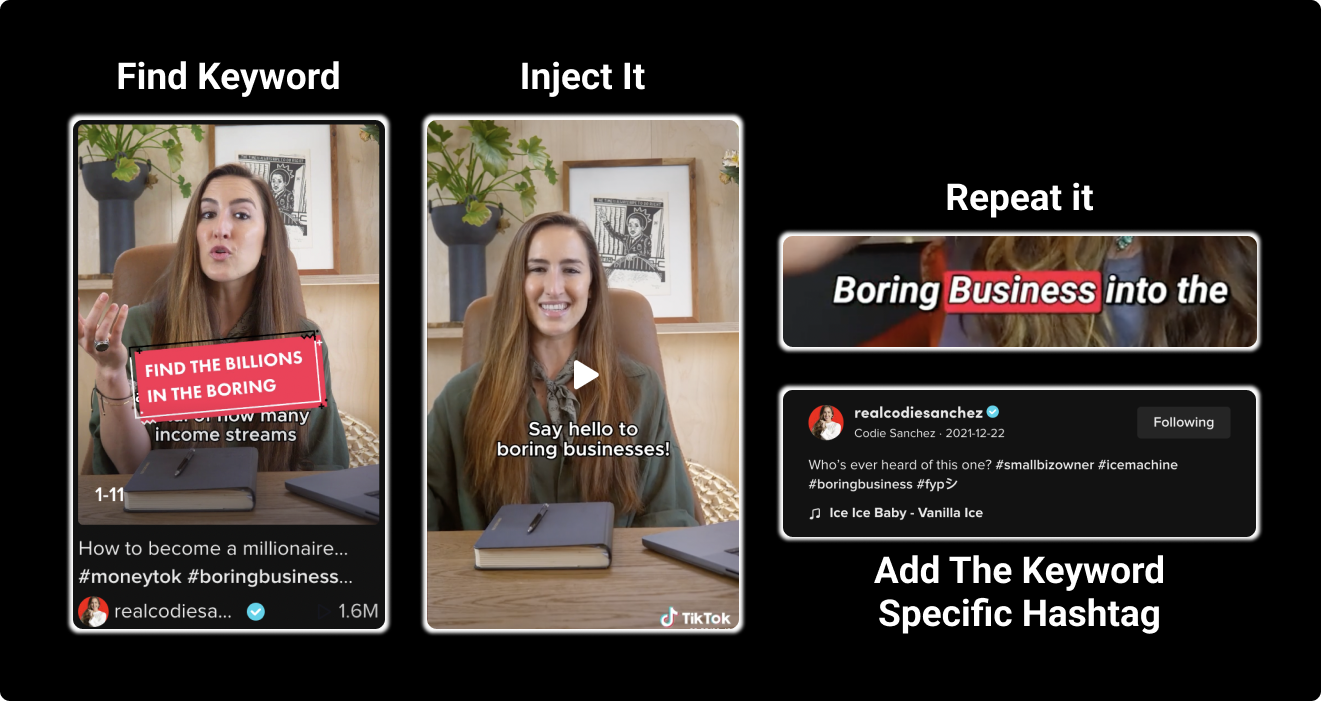
TikTok functions as both a social platform and a search engine. To maximize visibility, optimize your content for search:
- Use Relevant Keywords: Include keywords in your captions, on-screen text, and voiceover.
- Leverage Hashtags: Use 3–5 relevant hashtags to categorize your content and increase reach.
- Write Descriptive Captions: Answer questions or provide value in your captions to improve search rankings.
Step 6: Set Your Budget and Schedule

TikTok offers flexible budget options to suit different business sizes:
- Daily or Lifetime Budget: Decide how much you want to spend per day or overall.
- A/B Testing: Run multiple versions of your ad to see which performs best.
- Schedule Wisely: Consider when your audience is most active and schedule your ads accordingly.
Step 7: Monitor and Adjust

Once your campaign is live, track its performance using TikTok Ads Manager. Key metrics to monitor include:
- Click-Through Rate (CTR): Measures how many people clicked on your ad.
- Engagement Rate: Includes likes, comments, shares, and saves.
- Conversion Rate: Tracks how many users completed a desired action (e.g., making a purchase).
- Cost Per Result (CPR): Helps evaluate the efficiency of your spending.
Regularly review these metrics and adjust your strategy based on what’s working. If a particular ad format or trend isn’t performing well, pivot and try something new.
Final Tips for Success
- Stay Authentic: TikTok users value genuine content over overly polished ads.
- Test Frequently: Experiment with different hooks, formats, and CTAs to find what resonates.
- Leverage UGC: Encourage customers to create content featuring your product.
- Collaborate with Creators: Partner with influencers to expand your reach and credibility.
By following these steps, you can set up a simple yet effective TikTok advertising campaign that drives real results. With the right strategy, TikTok can become a powerful channel for growing your brand and connecting with your audience.

Posting Komentar untuk "How to Set Up a Simple TikTok Advertising Campaign in 2024"
Posting Komentar