
How to Track and Optimize Your TikTok Ad Campaign Analytics
TikTok has emerged as one of the most powerful platforms for brands looking to connect with a vast and engaged audience. With over 1.5 billion monthly active users, it's no surprise that marketers are investing heavily in TikTok ad campaigns. However, measuring the success of these campaigns isn't as straightforward as on other social media platforms. The unique nature of TikTok’s user behavior and engagement patterns makes it challenging to track and optimize ad performance effectively.
This article will guide you through the essential metrics, tools, and strategies to track and optimize your TikTok ad campaign analytics, ensuring your efforts yield measurable results.
Understanding TikTok Ad Campaign Analytics
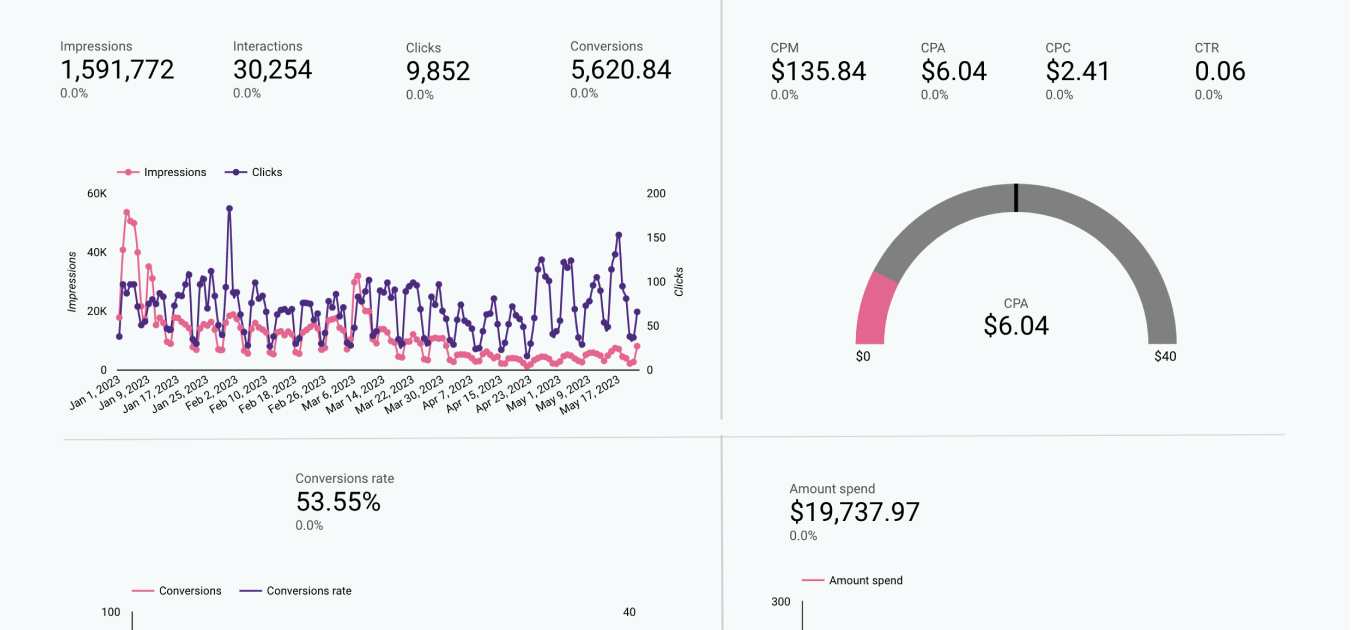
TikTok ad campaign analytics refers to the data and insights you gather from your advertising efforts on the platform. These analytics help you understand how well your ads are performing, which audiences they're reaching, and whether they're driving the desired actions—be it clicks, conversions, or brand awareness.
Key metrics to track include:
- Impressions: The number of times your ad is shown.
- Reach: The number of unique users who saw your ad.
- Click-Through Rate (CTR): The percentage of users who clicked on your ad after seeing it.
- Cost Per Click (CPC): How much you pay for each click.
- Cost Per Thousand Impressions (CPM): The cost for every 1,000 views.
- Conversion Rate (CVR): The percentage of users who completed a desired action after clicking.
- Return on Ad Spend (ROAS): The revenue generated for every dollar spent on ads.
These metrics provide a comprehensive view of your campaign's performance and help you make informed decisions to improve results.
Why Measuring TikTok Ads is Challenging

Unlike traditional advertising platforms, TikTok presents unique challenges when it comes to tracking ad performance. Here are some reasons why:
1. Nonlinear Customer Journey
TikTok users often engage with content passively, scrolling through videos without direct interaction. This makes it difficult to attribute conversions directly to an ad. Users may see an ad, remember it later, and then make a purchase days or even weeks later, making it hard to track the exact impact of the ad.
2. Limited Attribution Tools
TikTok’s attribution model is different from platforms like Facebook or Google. It doesn’t rely on last-click attribution, which means traditional tools may not accurately reflect the true impact of your ads. Brands need to use more advanced methods, such as Marketing Mix Modeling (MMM), to get a clearer picture.
3. Diverse Campaign Goals
Each brand has different objectives. For example, a gaming app might aim for downloads, while an e-commerce store might focus on sales. This variability makes it harder to apply a one-size-fits-all approach to analytics.
Essential Metrics to Track in 2026
To effectively measure your TikTok ad campaigns, focus on the following key metrics:
- Impressions
- What it shows: The number of times your ad was displayed.
-
Benchmark: No fixed number; monitor alongside frequency.
-
Reach
- What it shows: The number of unique users who saw your ad.
-
Benchmark: Aim for 10,000–50,000 for test campaigns; 100,000+ for brand awareness.
-
Frequency
- What it shows: How often the average user saw your ad.
-
Benchmark: 3–7 is ideal for most campaigns.
-
Click-Through Rate (CTR)
- What it shows: The percentage of users who clicked on your ad.
-
Benchmark: Average CTR is around 0.84%, with In-Feed ads performing better at 1.5–3%.
-
Cost Per Click (CPC)
- What it shows: The cost for each click on your ad.
-
Benchmark: $0.20–$0.99 depending on the ad format.
-
Cost Per Thousand Impressions (CPM)
- What it shows: The cost for every 1,000 impressions.
-
Benchmark: $3.21 on average, but can go up to $10 during peak times.
-
Cost Per View (CPV)
- What it shows: The cost per video view (typically 6+ seconds).
-
Benchmark: $0.10–$0.30 is typical.
-
Cost Per Action (CPA)
- What it shows: The cost for each conversion (e.g., purchase, sign-up).
-
Benchmark: $10–$30 for e-commerce; $20–$50 for lead generation.
-
Conversion Rate (CVR)
- What it shows: The percentage of users who converted after clicking.
-
Benchmark: 2.5% average, with high-performing campaigns reaching 5–10%.
-
Return on Ad Spend (ROAS)
- What it shows: Revenue earned per dollar spent on ads.
- Benchmark: 2.0+ is break-even; 3–4 is good; 5+ during promotions.
-
Engagement Metrics
- What it shows: Likes, shares, comments, and saves.
- Benchmark: High engagement indicates strong content relevance.
Tools to Track TikTok Ad Performance

To track and analyze your TikTok ad campaigns effectively, use the following tools:
1. TikTok Ads Manager
- The primary tool for managing and analyzing your ad campaigns.
- Provides insights into key metrics like impressions, clicks, CTR, and ROAS.
- Allows customization of reports and breakdowns by date, region, device, etc.
2. TikTok Pixel
- A tracking tool that measures user actions after clicking on your ads, such as purchases or sign-ups.
- Helps track conversion events and optimize ad performance.
3. TikTok Events API
- An alternative to the Pixel that sends data directly from your server to TikTok.
- Reduces the risk of missed conversions due to ad blockers or slow-loading pages.
Optimizing Your TikTok Ad Campaigns

Once you have the right metrics and tools in place, you can start optimizing your campaigns for better performance. Here are some strategies to consider:
- Test Different Creatives: Experiment with various ad formats, such as In-Feed, TopView, and Brand Takeover, to see what resonates best with your audience.
- Refine Targeting: Use TikTok’s targeting options to reach the right demographics, interests, and behaviors.
- Adjust Bidding Strategies: Optimize your bids based on your campaign goals, whether it's maximizing clicks, conversions, or brand awareness.
- Monitor Frequency: Keep an eye on ad frequency to avoid overexposure, which can lead to user fatigue.
- Use MMM for Deeper Insights: Consider using Marketing Mix Modeling (MMM) to gain a holistic view of your ad performance, especially if you’re running complex campaigns.
Final Thoughts
Tracking and optimizing your TikTok ad campaign analytics is crucial for achieving your marketing goals. By understanding the right metrics, using the appropriate tools, and implementing effective strategies, you can ensure your campaigns deliver real results. As TikTok continues to evolve, staying updated on platform changes and adapting your analytics approach will be key to long-term success.
Whether you're a small business or a large enterprise, leveraging TikTok's advertising potential can significantly boost your brand's visibility and drive meaningful engagement. Start tracking your metrics today and take your TikTok ad campaigns to the next level.

Posting Komentar untuk "How to Track and Optimize Your TikTok Ad Campaign Analytics"
Posting Komentar