
Mastering TikTok Ads Campaign Optimization: Pro Tactics for 2024
TikTok has evolved into a powerful platform for digital advertising, offering brands a unique way to connect with a massive and engaged audience. However, optimizing TikTok ad campaigns requires more than just creating catchy videos—it demands a strategic approach that aligns with the platform’s ever-changing algorithm and user behavior. As of 2026, scaling TikTok ads is no longer about brute-force budget increases but rather about precision, adaptability, and leveraging advanced tools.
This article will guide you through the essential tactics for mastering TikTok ads campaign optimization in 2024, ensuring your campaigns not only reach their full potential but also maintain stability as they scale.
Understanding the Challenges of Scaling TikTok Ads

Scaling a TikTok ad campaign is often described as a "volatile ride." While it may seem straightforward to increase your budget on a winning ad set, doing so without a structured strategy can lead to unexpected setbacks. The key issue lies in the platform's algorithm, which is designed to prioritize fresh, authentic content over repetitive or overly aggressive spending.
In 2026, the For You feed is faster, smarter, and more competitive than ever. This means that old strategies—like simply duplicating ad sets—no longer yield the same results. Instead, modern advertisers must focus on incremental growth, creative innovation, and intelligent bidding strategies.
1. Master the 20% Rule for Vertical Scaling
Vertical scaling refers to increasing the budget on a single ad set that's already performing well. While this seems like a logical step, it can be risky if done too quickly. TikTok’s algorithm is sensitive to sudden changes, and increasing your budget by more than 20% at once can force the system to re-enter the "learning phase," effectively resetting your campaign’s performance data.
The Protocol: - Increment: Increase daily budgets by 15–20% max. - Frequency: Do this only every 24–48 hours. - Condition: Only scale if the ROAS (Return on Ad Spend) has remained stable for the last 3 days.
By following this rule, you trick the algorithm into finding slightly more volume without triggering a full re-learning event. It’s slower, but it protects your downside and ensures consistent performance.
2. Implement Cost Cap Bidding for Profit Protection
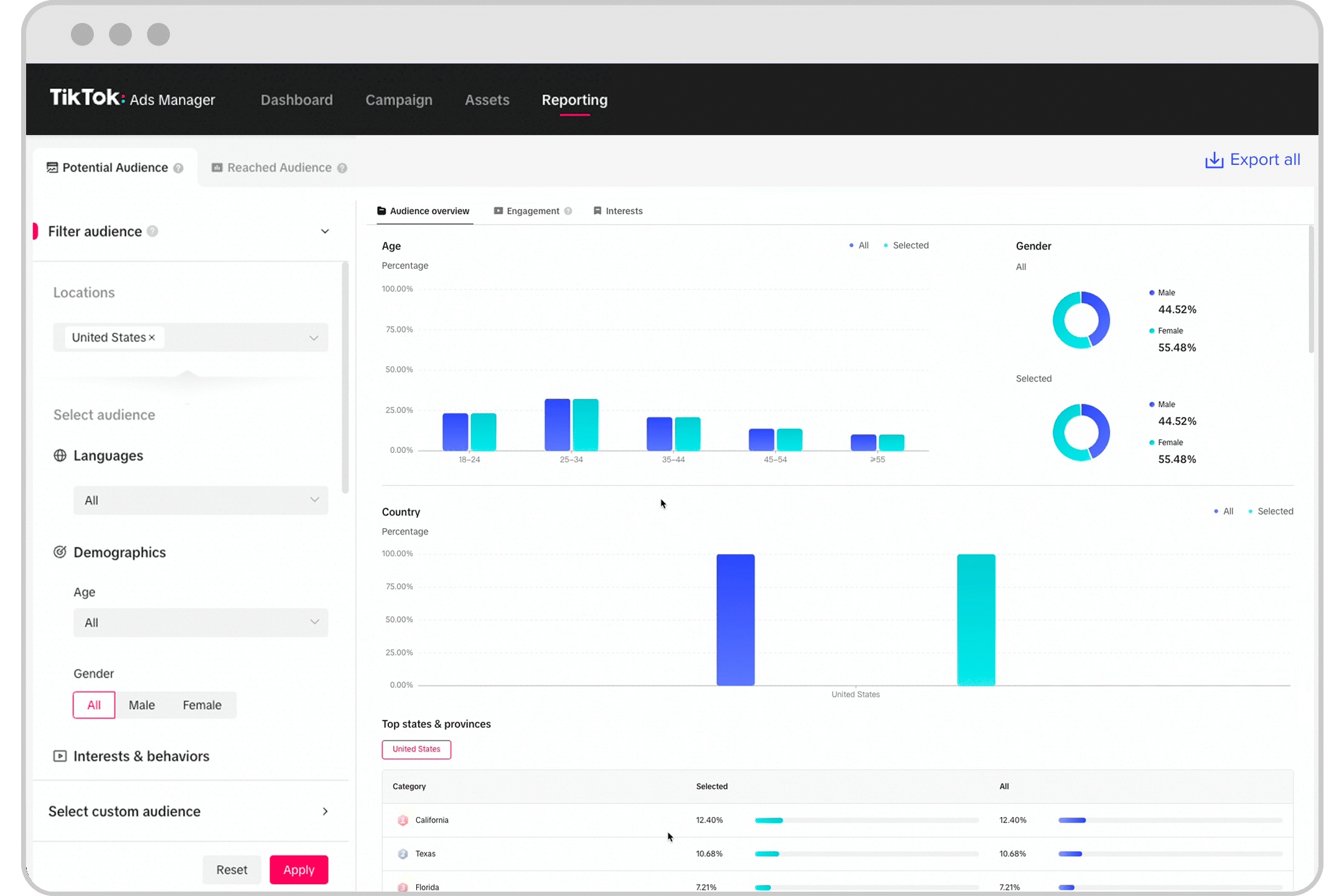
Most advertisers start with "Lowest Cost" bidding to gather initial data. While this is great for testing, it becomes problematic when scaling. At higher volumes, TikTok may try to spend your budget regardless of the result, often buying lower-quality traffic just to fill the quota.
The Pivot: - Once you have a winning creative and audience, duplicate the campaign and switch to Cost Cap bidding. - Set your bid roughly 1.2x your target CPA.
This acts as a safety valve. If TikTok cannot find conversions at your desired price, it won’t spend. This allows you to set aggressive budgets (e.g., $1,000/day) with the peace of mind that you won’t burn cash on bad traffic.
3. Leverage Smart Performance Campaigns (SPC)
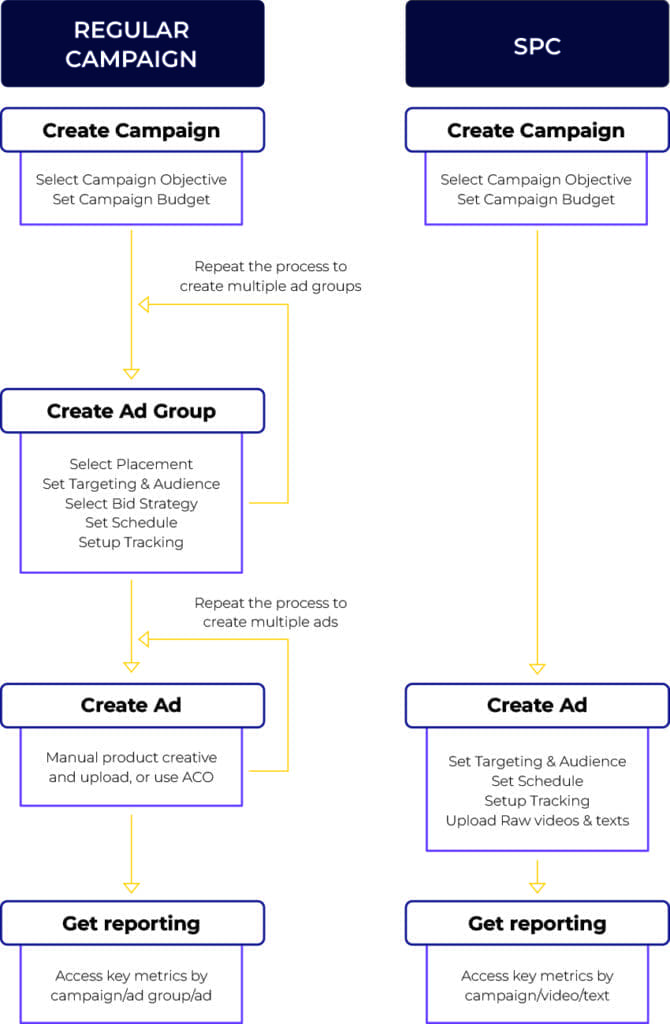
Smart Performance Campaigns (SPC) are TikTok’s answer to Meta’s Advantage+. In 2026, these fully automated campaigns consistently outperform manual setups for broad scaling.
How It Works: - You provide the creative and the budget; TikTok handles the targeting, bidding, and placement optimization entirely.
Actionable Insight: - Use SPC for your Scale layer, not your Test layer. Once you know a creative works, drop it into an SPC. The machine learning model is far better at finding high-intent users in pockets of the audience you would never think to target manually.
4. The Creative Treadmill: Modular Refreshing

Creative fatigue is the #1 killer of scaling campaigns. On TikTok, a winning ad might only last 4 to 7 days before CPA creeps up. To avoid this, adopt a modular creative strategy.
The Strategy: - Break down a winning ad into three components: - Hook: The first 3 seconds. - Body: The value proposition. - CTA: The ending.
When a winner dies, keep the Body but swap in a new Hook. If you have 5 bodies and 10 hooks, you technically have 50 ads. This allows you to refresh your scaling campaigns weekly without shooting brand-new footage from scratch.
5. Broaden Your Targeting (Audience Consolidation)
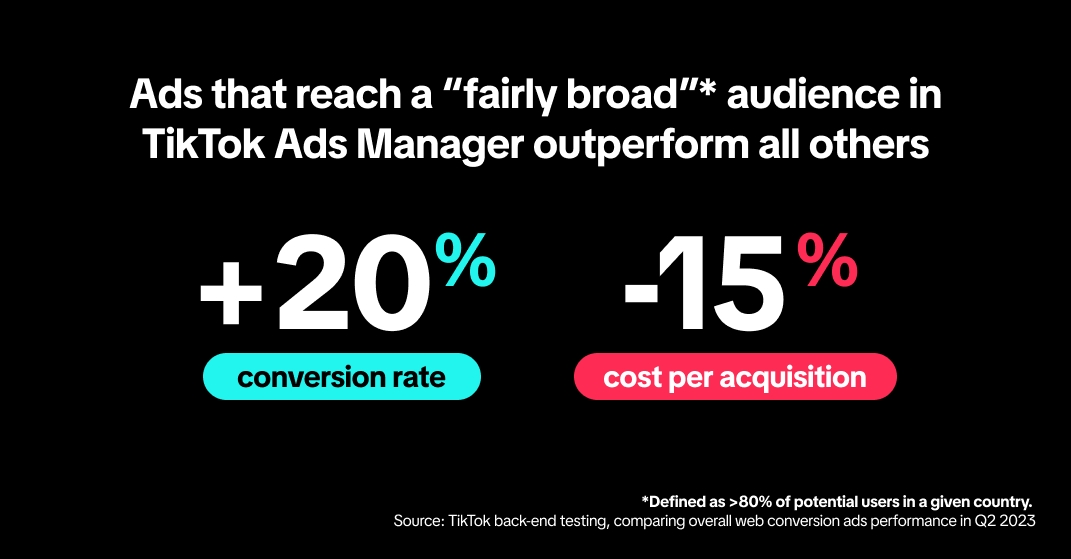
In the early days of TikTok ads, niche interest stacks were powerful. However, today, they create ceilings. To scale, you must go broad.
The Shift: - Remove Interests: Target only Location, Age, and Gender. - Trust the Creative: On TikTok, content is targeted. If your video is about vegan protein powder, the algorithm will naturally serve it to people who engage with fitness content.
Broad targeting gives the system a pool of 50M+ users, allowing it to find the path of least resistance to your next sale.
6. Horizontal Scaling with Lookalikes (LALs)

While broad targeting is great, sometimes you need to force the system to look in new directions. This is where horizontal scaling comes in—launching new ad sets rather than increasing the budget on old ones.
The Super-LAL Strategy: - Don’t just use Purchasers 1%. Create a stack of high-intent seed audiences: - Value-Based LAL: Top 10% of customers by LTV. - View Content LAL: Users who watched 75% of your video ads (high intent, massive volume).
Launch these as separate ad groups. If one works, you’ve opened a new lane of traffic without disturbing your primary campaigns.
7. Use Campaign Budget Optimization (CBO) for Stability

When you're spending $500+ per day, managing individual ad group budgets becomes a nightmare. Campaign Budget Optimization (CBO) is your best friend for scaling.
The Setup: - Create a CBO campaign. - Add 3–5 ad groups (e.g., 1 Broad, 2 Lookalikes, 1 Interest Stack). - Set a high daily budget.
The Benefit: - TikTok will automatically shift your budget in real-time to the ad group performing best that day. If your Broad audience has a bad day but your Lookalike is on fire, CBO saves you money by pivoting automatically. It stabilizes your results over time.
8. Spark Ads: The Authenticity Amplifier
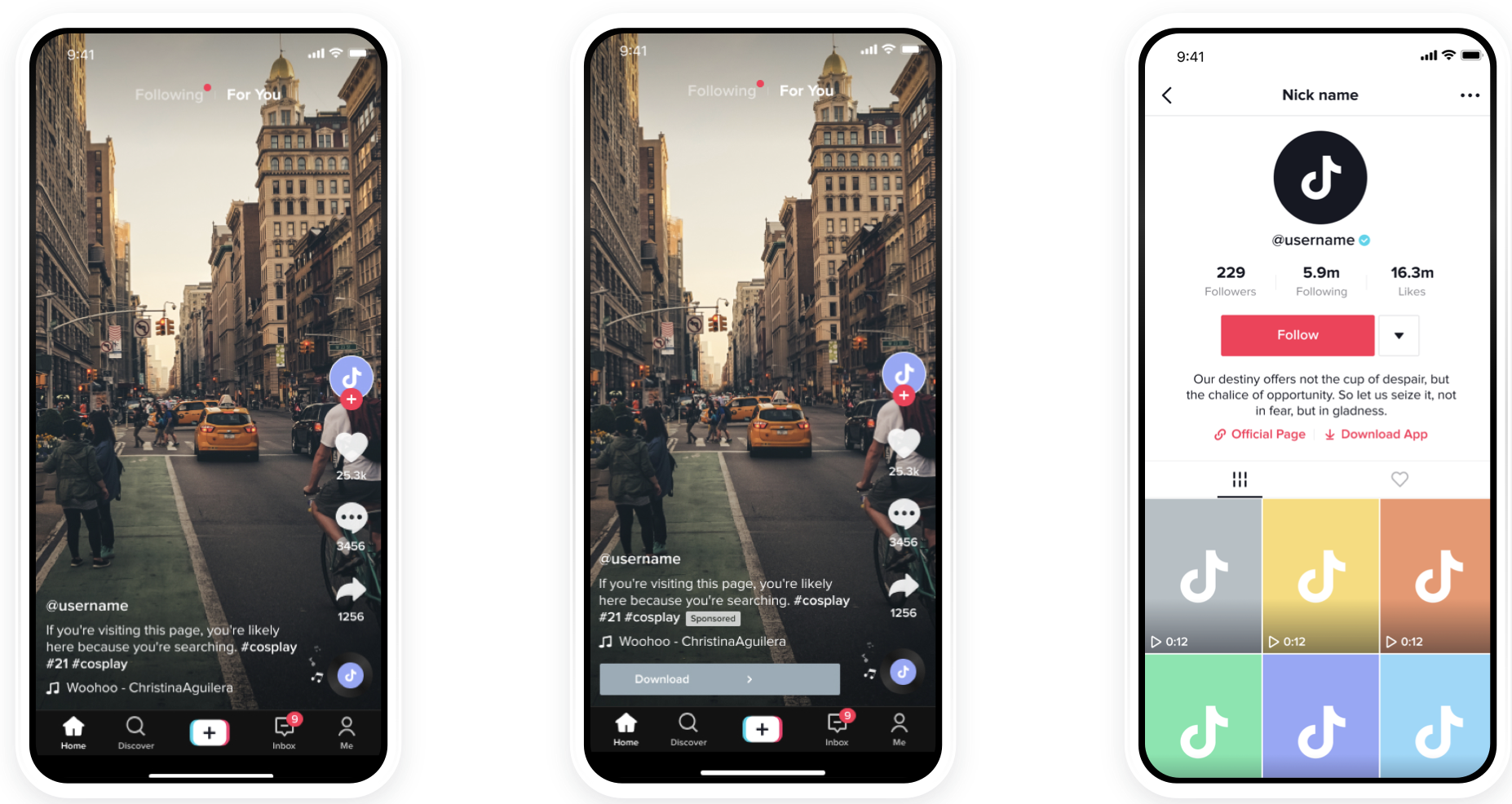
Standard In-Feed ads often look like ads. Spark Ads leverage real, organic posts (either yours or a creator’s) to add social proof.
Why This Helps Scaling: - As you scale, you reach colder, more skeptical audiences. Spark Ads carry social proof (likes, comments, shares) from the organic post. - A video with 10k likes converts a cold user much faster than a dark post with zero engagement.
Tactic: - Partner with a creator to post a video about your product. Once it gets organic traction, pull that specific post code into your ad manager and put ad spend behind it. You’re essentially pouring gasoline on a fire that is already burning.
9. Optimize for Value (VBO)
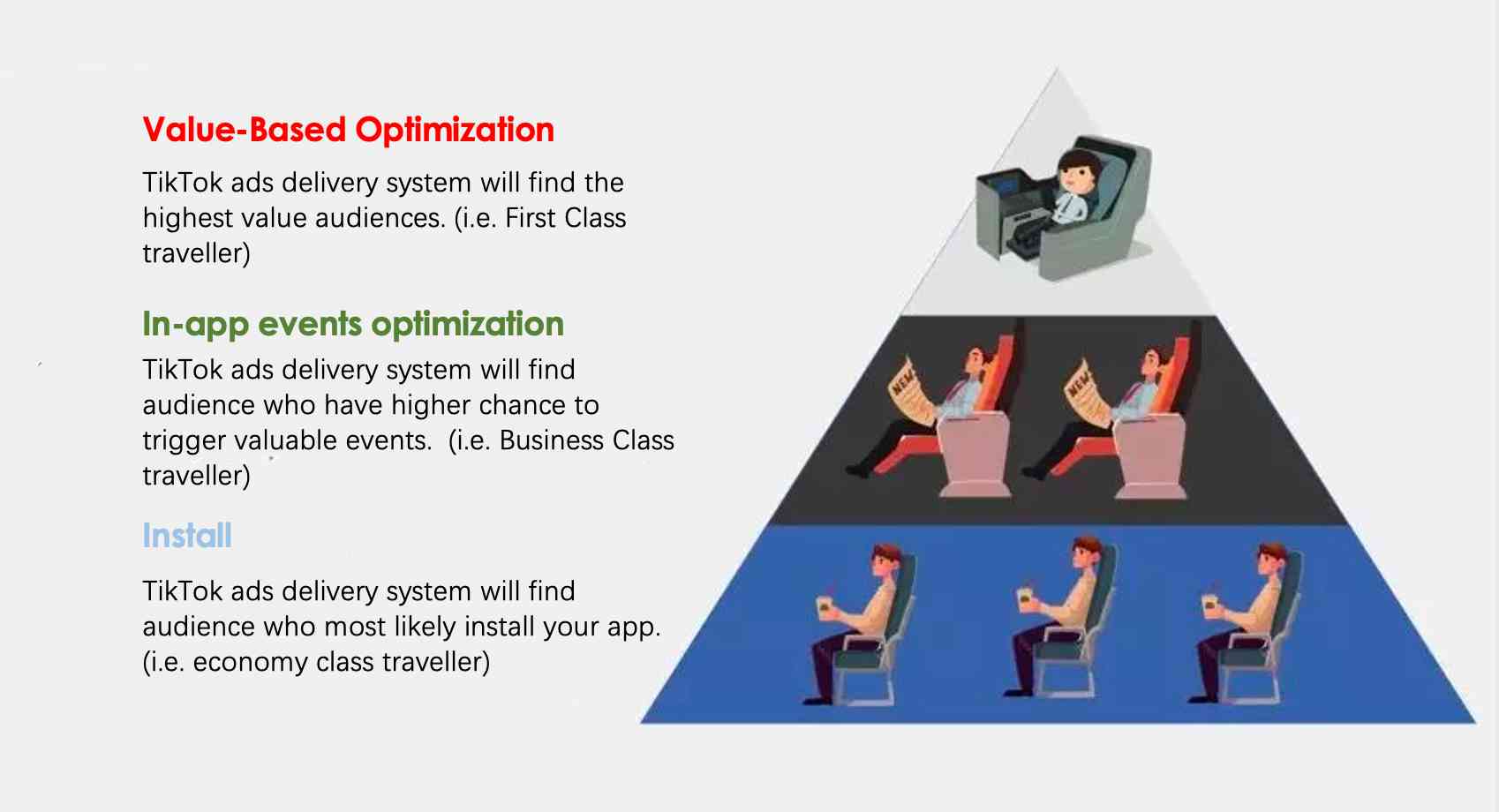
Most advertisers optimize for Conversion (Cost Per Purchase). But not all purchasers are equal.
The Advanced Move: - Switch your optimization goal to Value (VBO). - This tells TikTok: “Don’t just find me anyone who will buy; find me people who will spend the most.”
This is critical for scaling because it improves your ROAS without necessarily needing to lower your CPA. Even if your CPA stays the same, if your Average Order Value (AOV) goes up by 20%, your profitability soars.
Conclusion
Optimizing TikTok ads for scale in 2026 is about controlling volatility. The platform wants to spend your money fast; your job is to put guardrails in place that force it to spend efficiently.
By moving from manual Lowest Cost bidding to Cost Caps, shifting from niche interests to Broad targeting, and replacing one-off videos with a Modular Creative Strategy, you build a system that can handle higher budgets.
Start by auditing your current winners. Are they capped by budget or by audience size? Apply the 20% rule today, and prepare your next batch of creative hooks. The scale is there; you just need the structure to capture it.

Posting Komentar untuk "Mastering TikTok Ads Campaign Optimization: Pro Tactics for 2024"
Posting Komentar