
TikTok Ads A/B Testing Explained: How to Optimize Your Campaigns
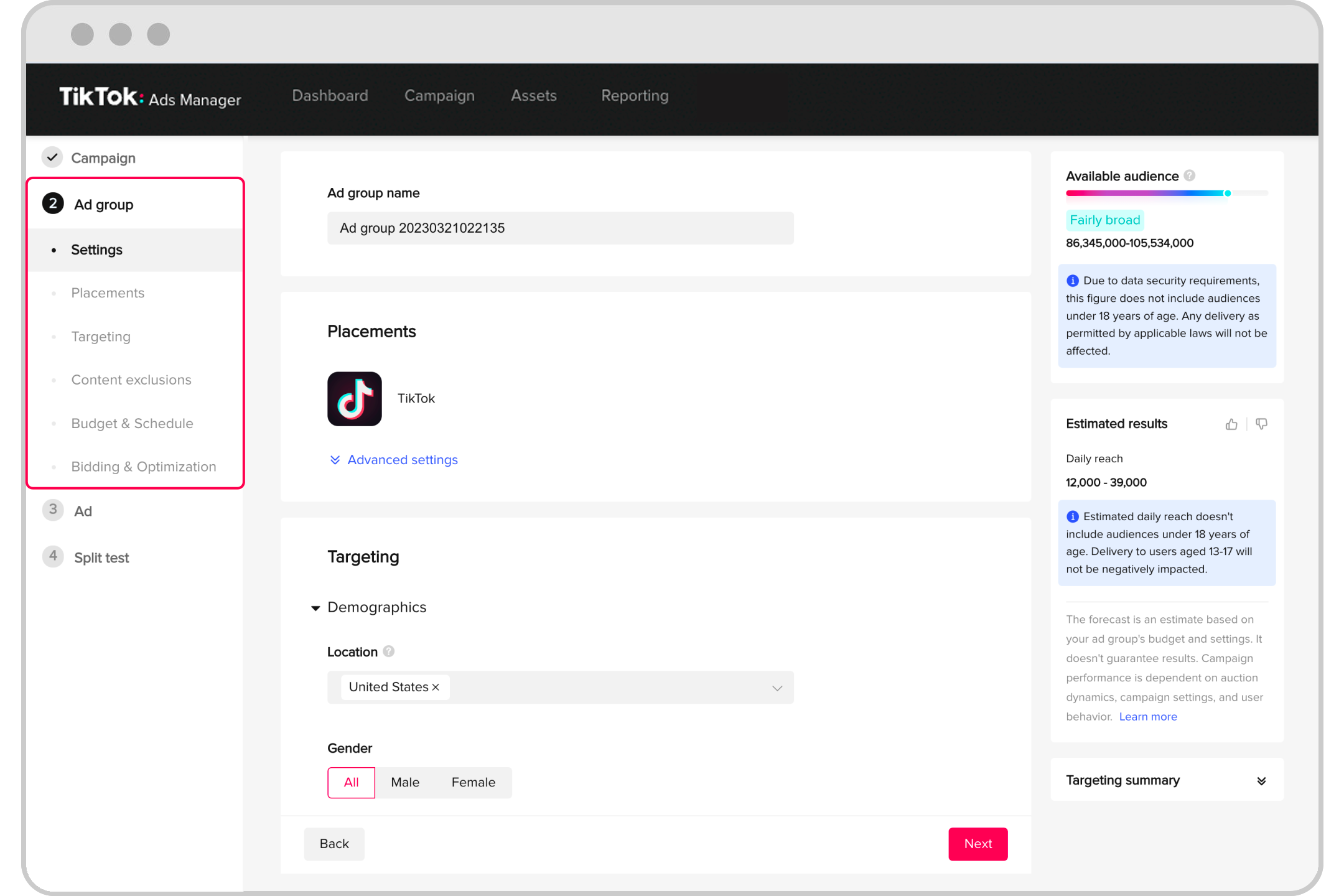
TikTok has become a powerful platform for brands looking to connect with their target audience, drive engagement, and boost sales. With its massive user base and algorithm-driven content distribution, TikTok offers unique opportunities for marketers. One of the most effective strategies to maximize your return on investment (ROI) is A/B testing for TikTok ads. This article will guide you through the process of A/B testing on TikTok, helping you refine your campaigns and achieve better results.
What Is A/B Testing?
A/B testing, also known as split testing, is a method used to compare two versions of a marketing asset—such as an ad, landing page, or email—to determine which one performs better. In the context of TikTok ads, this means creating two variations of an ad and running them simultaneously to see which one generates more engagement, clicks, or conversions.
This approach allows you to make data-driven decisions rather than relying on guesswork. By testing different elements like visuals, copy, CTAs, and targeting options, you can identify what resonates best with your audience.
Why A/B Testing Matters for TikTok Ads
TikTok's algorithm is designed to favor content that keeps users engaged. However, with so many creators and brands competing for attention, it's essential to ensure your ads stand out. A/B testing helps you:
- Identify high-performing elements: Determine which ad components (like hooks, visuals, or CTAs) are most effective.
- Reduce wasted spend: Avoid investing in underperforming ads by quickly identifying and pausing them.
- Improve ROI: By optimizing your ads based on real-time data, you can increase the likelihood of achieving your campaign goals.
Key Elements to Test in TikTok Ads
When conducting A/B testing for TikTok ads, focus on the following key elements:
1. Ad Copy
The text in your ad can significantly impact engagement. Test different headlines, taglines, and calls-to-action (CTAs) to see which ones resonate most with your audience.
2. Visuals
TikTok is a visual platform, so the images or videos you use can make or break your ad. Test different styles, colors, and compositions to find what captures attention.
3. CTAs
Your call-to-action is crucial for driving conversions. Experiment with different CTAs such as "Shop Now," "Learn More," or "Download" to see which one encourages more clicks.
4. Targeting Options
TikTok allows you to target specific demographics, interests, and behaviors. Test different targeting options to see which audiences respond best to your ad.
5. Timing and Frequency
The time of day and frequency of your ad can affect its performance. Test different schedules to determine when your audience is most active.
How to Conduct A/B Testing on TikTok
Here’s a step-by-step guide to help you conduct A/B testing for your TikTok ads:
Step 1: Define Your Goals
Before starting, clearly define what you want to achieve with your ad. Common goals include increasing engagement, driving traffic to your website, or boosting sales.
Step 2: Create Two Versions of Your Ad
Develop two distinct versions of your ad, making sure they differ in only one variable at a time. For example, if you're testing ad copy, keep the visuals and CTAs the same.
Step 3: Set Up Your Campaign
Use TikTok's advertising platform to set up your campaign. Ensure both versions of your ad are running simultaneously and are targeted to the same audience.
Step 4: Monitor Performance
Track the performance of both ads using TikTok's analytics tools. Look at metrics such as click-through rate (CTR), engagement rate, and conversion rate.
Step 5: Analyze Results
After a sufficient amount of time, analyze the results to determine which ad performed better. Use this data to refine your strategy and make informed decisions for future campaigns.
Best Practices for Effective A/B Testing
To get the most out of your A/B testing, consider the following best practices:
1. Test One Variable at a Time
To accurately determine what affects performance, test only one element at a time. This ensures that any changes in performance can be attributed to the specific variable being tested.
2. Use a Large Sample Size
Ensure that your test runs long enough to gather a statistically significant sample size. This helps you avoid drawing conclusions based on small, potentially misleading data sets.
3. Run Tests for Sufficient Time
Allow your tests to run for at least a few days to capture different user behaviors and trends. This gives you a more comprehensive view of how your ads perform over time.
4. Document Your Findings
Keep detailed records of your tests, including the variables you tested, the results, and any insights you gained. This documentation will help you refine your strategy and improve future campaigns.
5. Iterate and Improve
A/B testing is an ongoing process. Continuously test new ideas and refine your approach based on the data you collect. The more you test, the better your understanding of what works.
Conclusion
A/B testing is a powerful tool that can help you optimize your TikTok ads and achieve better results. By systematically testing different elements of your ads, you can gain valuable insights into what resonates with your audience and make data-driven decisions to improve your campaigns. Remember, the key to successful A/B testing is to remain patient, persistent, and open to learning from each test. With the right approach, you can unlock the full potential of TikTok as a marketing channel and drive meaningful growth for your brand.
[IMAGE: TikTok Ads A/B Testing Explained Optimization Campaigns]

Posting Komentar untuk "TikTok Ads A/B Testing Explained: How to Optimize Your Campaigns"
Posting Komentar