
TikTok Ads Conversion Tracking Best Practices for 2024: Maximize Your ROI
TikTok has evolved from a platform for entertainment into a powerful marketing tool that brands are leveraging to drive engagement, awareness, and conversions. With over 1.59 billion users reached by TikTok ads in January 2025, it's clear that the platform is a critical channel for marketers. However, simply running ads on TikTok isn't enough—you need a solid conversion tracking strategy to measure performance and optimize your return on investment (ROI). In this article, we'll explore the best practices for TikTok Ads conversion tracking in 2024.
Why Conversion Tracking Matters
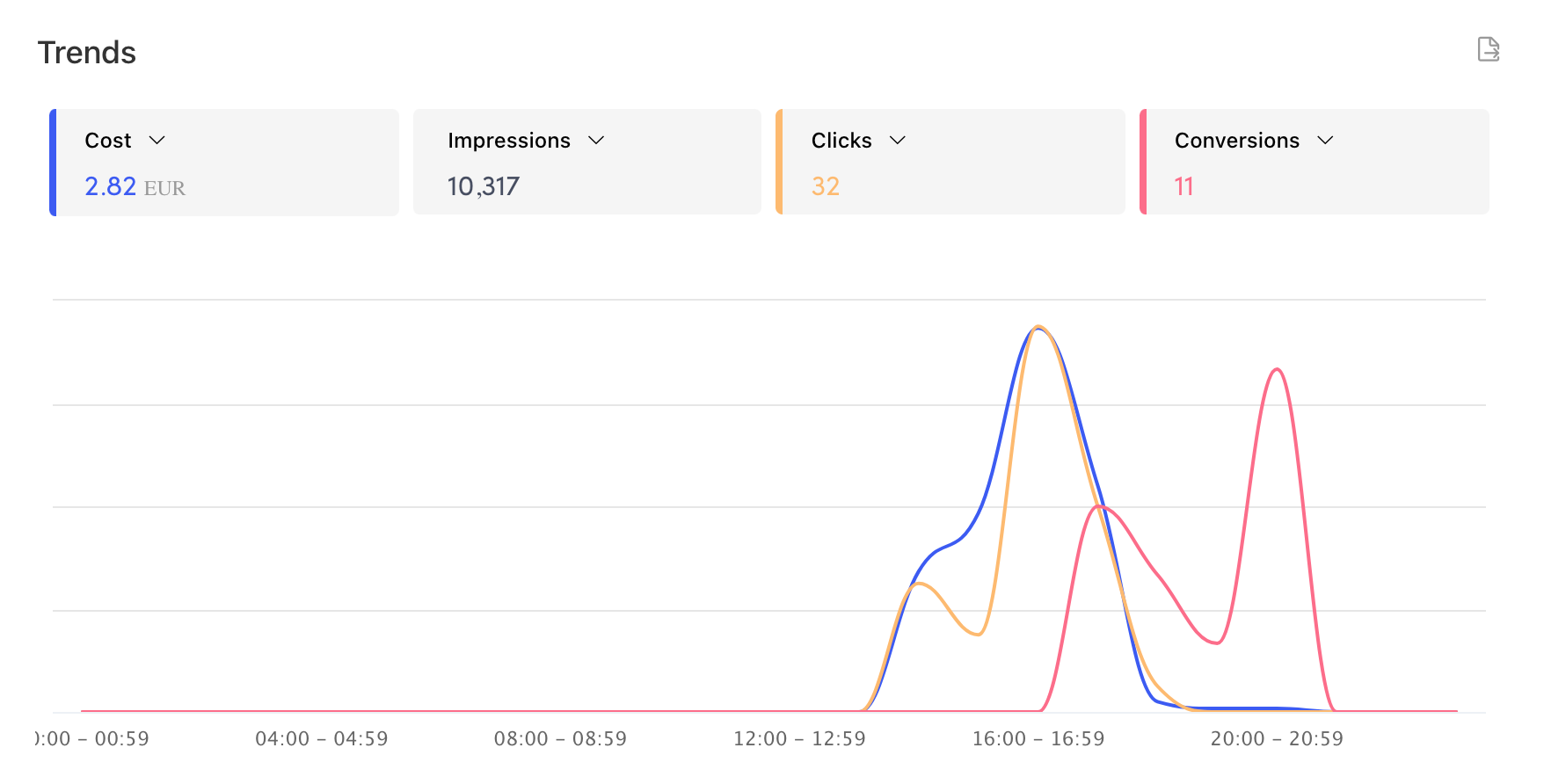
Conversion tracking allows you to understand how users interact with your ads and what actions they take after seeing them. This data is essential for evaluating the effectiveness of your campaigns and making informed decisions about where to allocate your budget. Without proper tracking, you're essentially flying blind, unable to determine which ads are driving real results.
Key Benefits of Conversion Tracking:
- Measure ROI: Understand how much revenue each ad generates.
- Optimize Campaigns: Identify high-performing ads and refine underperforming ones.
- Improve Targeting: Gain insights into which audiences are most likely to convert.
- Enhance User Experience: Use data to create more relevant and engaging content.
[IMAGE: TikTok Ads Conversion Tracking Best Practices 2024]
Setting Up Conversion Tracking on TikTok
To track conversions effectively on TikTok, you'll need to use the platform's built-in tools and integrate them with third-party analytics platforms. Here's a step-by-step guide to setting up conversion tracking:
1. Choose the Right Ad Objective
TikTok offers several ad objectives, including Awareness, Consideration, and Conversion. For conversion tracking, choose the "Conversion" objective. This objective allows you to track specific actions such as purchases, sign-ups, or app installs.
2. Set Up a Pixel or Tracking Code
TikTok provides a pixel that you can use to track conversions. To set this up: - Go to the TikTok Ads Manager. - Navigate to the "Pixel" section. - Follow the instructions to install the pixel on your website or landing page.
3. Define Conversion Events
Define the specific actions you want to track, such as: - Website Conversions: Track when users complete a purchase, sign up, or fill out a form. - App Conversions: Track when users download or engage with your mobile app.
4. Use UTM Parameters
UTM parameters help you track the source of traffic and the performance of different campaigns. Add UTM parameters to your ad links to gain deeper insights into user behavior.
[IMAGE: TikTok Ads Conversion Tracking Best Practices 2024]
Best Practices for Effective Conversion Tracking
To ensure your conversion tracking is as effective as possible, follow these best practices:
1. Monitor Key Metrics
Track the following metrics to evaluate the success of your campaigns: - Click-Through Rate (CTR): Measures how many users click on your ad. - Conversion Rate: Calculates the percentage of users who complete a desired action. - Cost Per Conversion (CPC): Determines the cost of each conversion.
2. Test and Optimize
Use A/B testing to compare different ad variations and identify what works best. Continuously optimize your campaigns based on the data you collect.
3. Leverage Retargeting
Retargeting allows you to reach users who have already interacted with your brand. Use retargeting to re-engage potential customers and increase the likelihood of conversion.
4. Utilize TikTok's Analytics Tools
TikTok provides detailed analytics that can help you understand user behavior and campaign performance. Use these tools to gain insights and make data-driven decisions.
[IMAGE: TikTok Ads Conversion Tracking Best Practices 2024]
Common Challenges and Solutions
While conversion tracking can be highly effective, there are some common challenges that marketers may face. Here are a few solutions to help you overcome them:
1. Low Conversion Rates
If your conversion rates are low, consider: - Improving Ad Creatives: Ensure your ads are visually appealing and clearly communicate your value proposition. - Refining Targeting: Use demographic and behavioral data to target the right audience. - Optimizing Landing Pages: Make sure your landing pages are user-friendly and aligned with your ad messaging.
2. Data Discrepancies
Data discrepancies can occur due to differences in tracking methods. To minimize this: - Use Consistent Tracking Methods: Ensure all tracking tools are set up correctly and consistently used. - Regularly Audit Your Data: Check for any inconsistencies and address them promptly.
3. Poor User Experience
A poor user experience can lead to high bounce rates and low conversions. To improve this: - Simplify Navigation: Make it easy for users to find what they're looking for. - Ensure Mobile Optimization: Many users access TikTok on mobile devices, so ensure your site is mobile-friendly.
[IMAGE: TikTok Ads Conversion Tracking Best Practices 2024]
Conclusion
In 2024, TikTok remains a powerful platform for driving conversions and growing your business. By implementing effective conversion tracking strategies, you can gain valuable insights into user behavior, optimize your campaigns, and maximize your ROI. Remember to set up conversion tracking correctly, monitor key metrics, and continuously test and optimize your campaigns. With the right approach, you can unlock the full potential of TikTok Ads and achieve your marketing goals.

Posting Komentar untuk "TikTok Ads Conversion Tracking Best Practices for 2024: Maximize Your ROI"
Posting Komentar