
Understanding TikTok Ad Policy Guidelines: What You Need to Know
TikTok has become a powerful platform for brands and advertisers looking to connect with a massive, engaged audience. However, with its growing popularity comes the need for clear and strict ad policy guidelines. These policies ensure that all content on the platform is safe, authentic, and compliant with legal standards. For advertisers, understanding these guidelines is crucial not only to avoid rejection but also to create effective campaigns that resonate with users.
Overview of TikTok Ad Policies

TikTok's advertising policies are divided into two main categories: ad content policies and ad creative policies. The former outlines what types of products and services can be advertised, while the latter defines the rules around the content used in ads. These policies are designed to maintain a safe and engaging environment for users while ensuring that brands meet the platform's standards.
Key Elements of TikTok Ad Policies
-
Eligibility of Products and Services: Not all products or services are allowed on TikTok. Some are considered prohibited, while others are restricted based on regional regulations. For example, certain industries like pharmaceuticals or alcohol may have additional requirements.
-
Ad Creative Content: This includes everything from the text, images, and audio in your ad to the overall tone and message. TikTok prohibits content that is misleading, discriminatory, or promotes illegal activities.
-
Targeted Region and Age Group: Advertisers must ensure their content is appropriate for the region and age group they're targeting. For instance, ads aimed at minors must comply with stricter rules regarding content and messaging.
-
Consistency Between Ad and Landing Page: Your ad should match the content of the landing page it directs users to. Inconsistencies can lead to rejection or lower engagement.
-
Functionality and Eligibility of Landing Page: The landing page must be functional and relevant to the ad. If it’s not, your ad may be rejected.
Types of Prohibited and Restricted Content
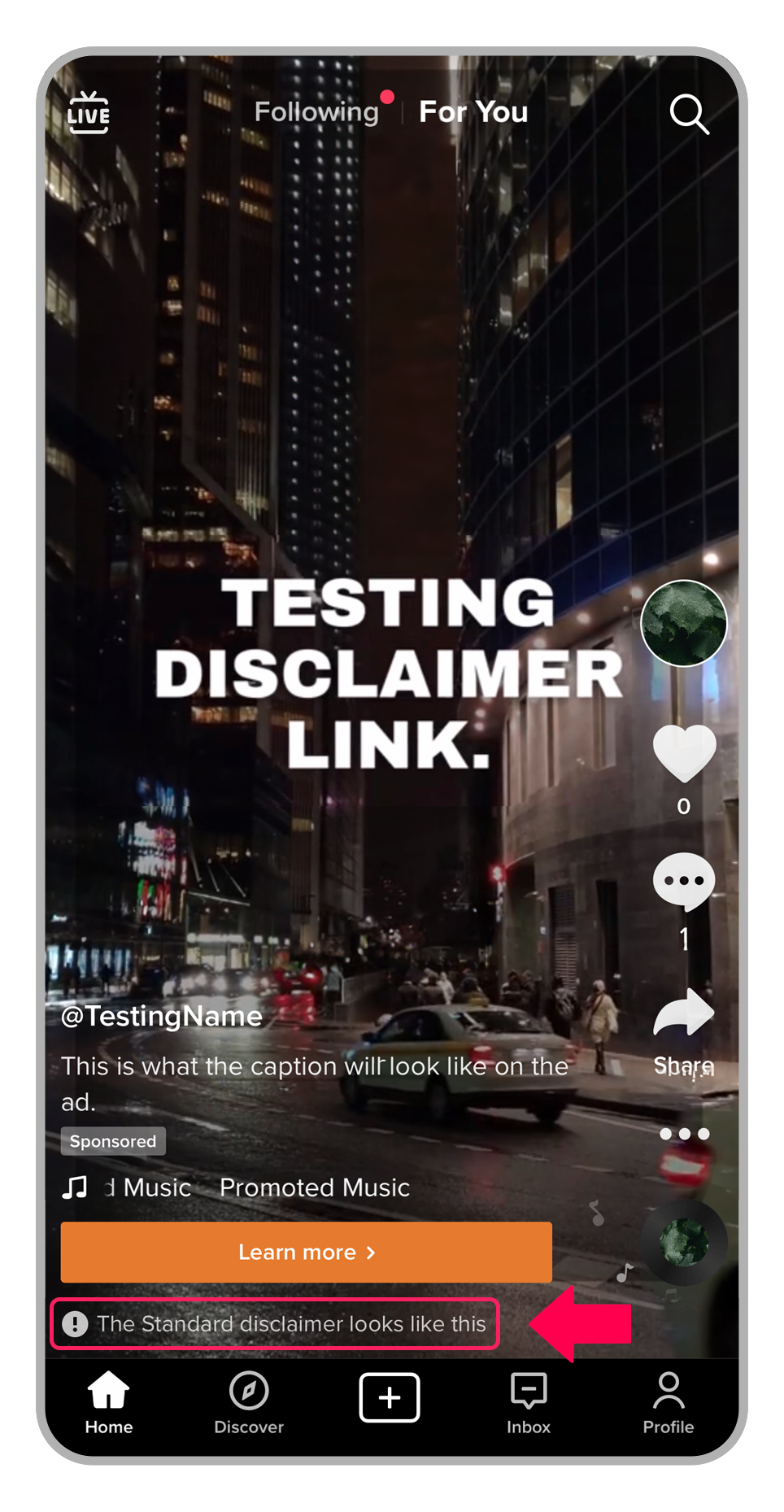
TikTok has specific rules about what can and cannot be included in advertisements. Here are some of the most common prohibited and restricted content types:
-
Misleading Claims: Ads must not contain false or deceptive information. This includes exaggerated claims about product benefits or misleading pricing.
-
Adult Material: Content that is sexually explicit or inappropriate for younger audiences is strictly prohibited.
-
Hate Speech and Discrimination: Any content that promotes hate, discrimination, or violence against individuals or groups is not allowed.
-
Dangerous Stunts or Challenges: Ads that encourage risky behavior or promote dangerous challenges are prohibited.
-
Illegal Products or Services: Selling or promoting illegal items such as drugs, weapons, or counterfeit goods is not permitted.
Ad Formats and Their Guidelines

TikTok offers several ad formats, each with its own set of guidelines. Understanding these can help you create more effective and compliant campaigns.
1. In-Feed Ads
- These appear in users' "For You" feed and blend in with regular content.
- They can include music, which is essential for engagement.
- They can be up to 60 seconds long, giving you ample time to convey your message.
2. TopView Ads
- These are full-screen ads that play automatically when users open the app.
- They are ideal for brand awareness and high-impact messaging.
- They are more expensive than In-Feed Ads and require a strong, attention-grabbing message.
3. Branded Hashtag Challenges
- These encourage user-generated content by creating a unique hashtag and challenge.
- They can generate significant reach and engagement if executed well.
- Brands often use these to foster community interaction and increase visibility.
4. Branded Effects
- These are AR filters or stickers that users can add to their videos.
- They offer an interactive way for users to engage with your brand.
- They can be used to promote products or create fun, shareable experiences.
Best Practices for Compliant TikTok Advertising
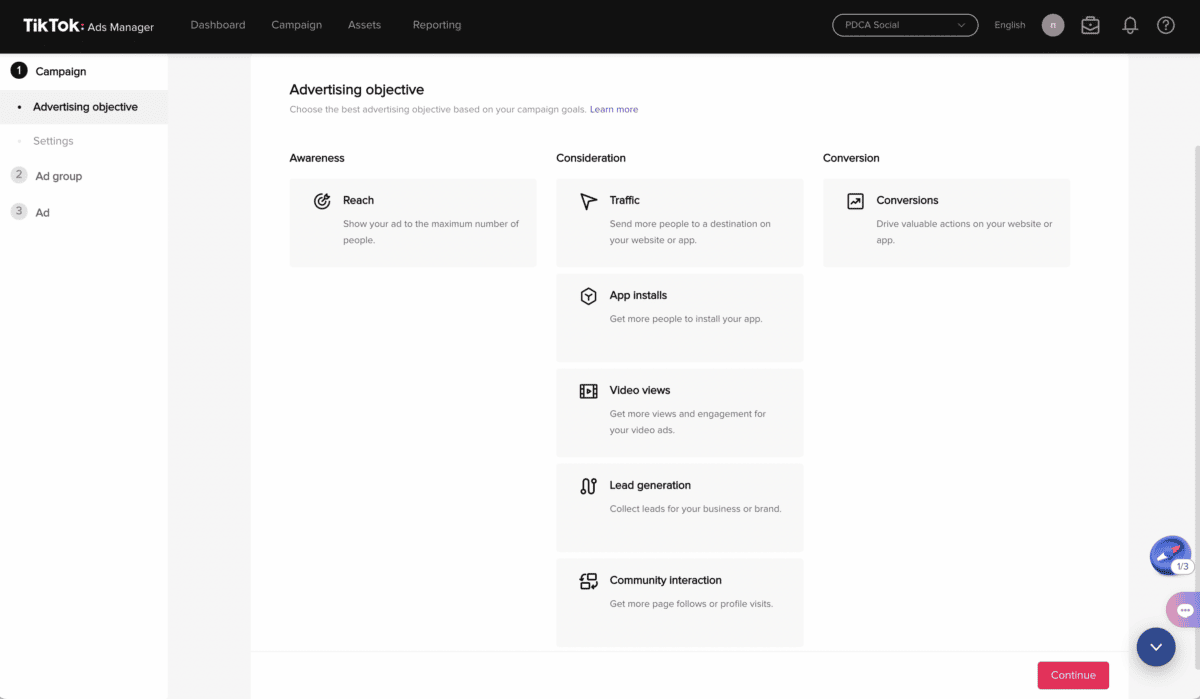
To ensure your TikTok ads are accepted and perform well, follow these best practices:
1. Create Authentic and Engaging Content
- TikTok users value authenticity. Avoid overly polished or corporate-style ads.
- Use real people, behind-the-scenes content, and relatable scenarios to build trust.
2. Leverage Trends and Music
- TikTok is driven by trends and music. Incorporating popular trends and songs can significantly boost engagement.
- Be quick to adapt to new trends, as they change rapidly on the platform.
3. Use Clear and Concise Messaging
- Keep your ads short and to the point. Users often scroll quickly, so grab their attention within the first few seconds.
- Use movement, color, and visuals to make your ad stand out.
4. Engage with Your Audience
- Respond to comments and interact with users who engage with your content.
- Building a relationship with your audience can increase loyalty and improve campaign performance.
5. Disclose Sponsored Content
- If you're working with influencers or using affiliate links, clearly disclose this in your content.
- Use hashtags like #ad or #sponsored to ensure transparency.
Conclusion
Navigating TikTok's ad policy guidelines is essential for any advertiser looking to succeed on the platform. By understanding the rules around content, ad formats, and compliance, you can create campaigns that resonate with users while avoiding rejection. With the right strategy and adherence to these guidelines, your brand can effectively leverage TikTok's massive audience and drive meaningful engagement.

Posting Komentar untuk "Understanding TikTok Ad Policy Guidelines: What You Need to Know"
Posting Komentar