
Understanding TikTok Ads Campaign Objectives: A Complete Guide
TikTok has evolved from a platform for entertainment and trends into a powerful tool for brand discovery and commerce. With its unique algorithm and user behavior, understanding the campaign objectives for TikTok ads is essential for any business looking to leverage this platform effectively. In this guide, we’ll break down what TikTok ads are, how they work, and the key campaign objectives that brands should consider.
What Are TikTok Ads?
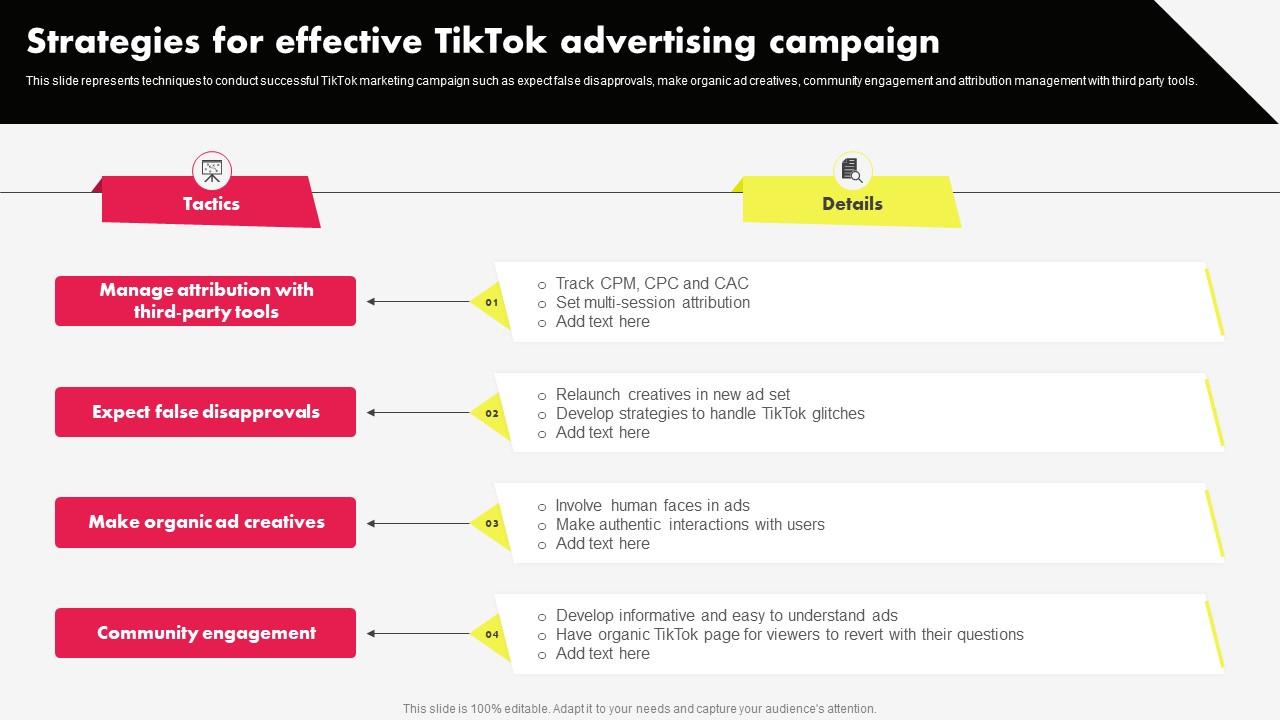
TikTok ads are video advertisements that appear in users’ feeds as they scroll through the app. These ads are designed to blend seamlessly with organic content, making them more engaging and less intrusive than traditional ads. TikTok offers several ad formats, including In-Feed ads, TopView ads, Spark Ads, and Branded Hashtag Challenges, each tailored to different marketing goals.
The platform’s algorithm prioritizes content that resonates with users, meaning that even small businesses can achieve significant reach without massive budgets. This makes TikTok an attractive option for brands aiming to build awareness, drive traffic, or generate sales.
Why TikTok Ads Matter
TikTok’s user base is predominantly Gen Z and Millennials, who are highly influenced by social media when making purchasing decisions. According to recent data, 63% of Gen Z have made purchases based on TikTok content, highlighting the platform’s role in shaping consumer behavior.
Additionally, TikTok Shop has transformed the app into a social commerce hub, allowing users to shop directly within the app. This integration makes TikTok not just a platform for discovery but also a direct channel for conversions.
Key TikTok Ads Campaign Objectives
When setting up a TikTok ad campaign, it's crucial to define your objectives clearly. Here are the most common campaign objectives and their use cases:
1. Brand Awareness
- Objective: Reach as many people as possible.
- Use Case: Ideal for new brands or products looking to introduce themselves to a wider audience.
- Metrics: Focus on impressions, reach, and follower growth.
- Best Practices: Use trending sounds and hashtags to increase visibility.
2. Traffic
- Objective: Drive users to your website or app.
- Use Case: Perfect for lead generation or directing traffic to a landing page.
- Metrics: Track click-through rate (CTR), website visits, and conversion rates.
- Best Practices: Include clear call-to-action (CTA) buttons and ensure the landing page is optimized for mobile.
3. Engagement
- Objective: Increase likes, comments, shares, and saves.
- Use Case: Great for building community and fostering interaction with your audience.
- Metrics: Monitor engagement rate, shares, and comments.
- Best Practices: Create relatable, entertaining content that encourages user interaction.
4. Conversions
- Objective: Encourage users to make a purchase or sign up for a service.
- Use Case: Suitable for e-commerce brands or SaaS companies looking to convert leads into customers.
- Metrics: Track cost per acquisition (CPA), return on ad spend (ROAS), and conversion rates.
- Best Practices: Use product demos, testimonials, and limited-time offers to drive urgency.
5. App Installs
- Objective: Increase downloads of your mobile app.
- Use Case: Ideal for app developers or brands with a mobile application.
- Metrics: Focus on installs, retention, and in-app actions.
- Best Practices: Highlight the app’s features and benefits in your ad content.
6. Lead Generation
- Objective: Collect user information such as email addresses or phone numbers.
- Use Case: Useful for B2B brands or services that require user data for follow-up.
- Metrics: Track form submissions, lead quality, and conversion rates.
- Best Practices: Use interactive forms and offer valuable incentives in exchange for user data.
How to Choose the Right Objective

Selecting the right campaign objective depends on your business goals and target audience. For example, if you're launching a new product, focusing on brand awareness and engagement will help build initial traction. Once you have a loyal following, you can shift towards conversions and lead generation to drive sales.
It’s also important to consider your budget and the type of content you can produce. Short, engaging videos tend to perform better on TikTok, so align your objective with the format that best suits your message.
Tips for Optimizing TikTok Ads
- Leverage Trends: Use popular sounds, challenges, and hashtags to increase the chances of your content being discovered.
- Test Creatives: Run A/B tests to determine which ad formats and messaging resonate most with your audience.
- Optimize for Mobile: Ensure your ads are mobile-friendly, as the majority of TikTok users access the app via smartphones.
- Use UGC: User-generated content (UGC) builds trust and authenticity, making it a powerful tool for driving engagement and conversions.
- Track Performance: Regularly monitor your metrics to refine your strategy and improve ROI.
Conclusion
Understanding TikTok ads campaign objectives is essential for any brand looking to succeed on this dynamic platform. Whether your goal is to increase brand awareness, drive traffic, or generate sales, TikTok offers a range of tools and strategies to help you achieve your targets. By defining clear objectives, creating engaging content, and continuously optimizing your campaigns, you can unlock the full potential of TikTok as a marketing channel.
With its growing influence and high engagement rates, TikTok is no longer just a trend—it’s a must-have for any modern marketing strategy. Start exploring the possibilities today and see how TikTok can elevate your brand’s presence in the digital world.

Posting Komentar untuk "Understanding TikTok Ads Campaign Objectives: A Complete Guide"
Posting Komentar