
How TikTok's Ad Algorithm Works: What You Need to Know in 2024
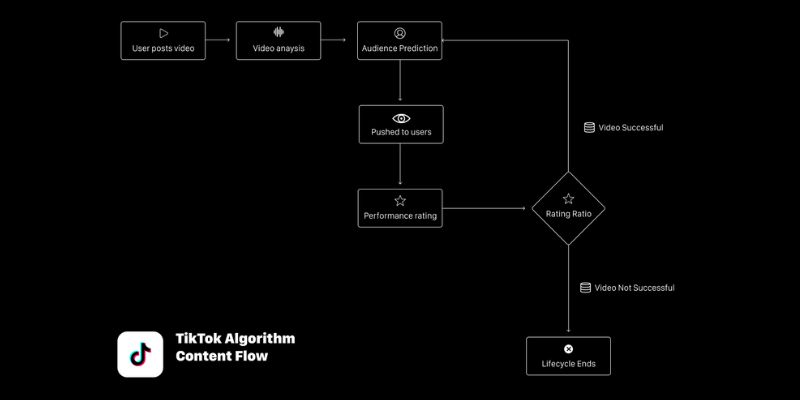
TikTok has evolved from a platform for short-form entertainment into a powerful tool for brands and marketers. Its ad algorithm plays a crucial role in determining which content reaches users, making it essential for businesses to understand how it works. In this article, we’ll explore the mechanics of TikTok’s ad algorithm, its key factors, and how you can leverage it to maximize your reach and engagement.
Understanding TikTok’s Ad Algorithm

At its core, TikTok’s ad algorithm is designed to deliver personalized content that keeps users engaged. Unlike traditional social media platforms where content is often prioritized based on follower count or popularity, TikTok focuses on content relevance and user interaction. This means even new creators can gain visibility if their content resonates with the right audience.
The algorithm uses a combination of signals to determine what content to show users. These signals include:
- User behavior: Likes, shares, comments, watch time, and rewatch frequency.
- Video quality: Production value, clarity, and originality.
- Audience preferences: Past interactions, search history, and video engagement.
- Contextual factors: Time of day, location, language, and device type.
By analyzing these signals, TikTok ensures that users are shown videos they are most likely to enjoy, creating a highly engaging and addictive experience.
Key Factors That Influence TikTok’s Ad Algorithm

Here are the main elements that TikTok’s algorithm considers when deciding which ads to show:
1. Engagement Metrics
- Watch time: The longer users watch a video, the more likely it is to be promoted.
- Shares and saves: These actions signal that users find the content valuable.
- Comments: High-quality comments (especially those that spark conversations) increase the likelihood of a video being recommended.
2. Content Quality
- TikTok favors videos that are visually appealing, well-produced, and relevant to the target audience.
- Content that aligns with current trends or solves a problem tends to perform better.
3. User Interaction
- The algorithm tracks how users interact with content, such as whether they follow the creator, click on links, or save the video.
- Videos that receive consistent engagement over time are more likely to be shown to a broader audience.
4. Relevance and Personalization
- TikTok uses data from user activity, including searches, likes, and previous views, to tailor content to individual preferences.
- This personalization helps ensure that users see content that matches their interests, increasing the chances of engagement.
How to Optimize Your Ads for TikTok’s Algorithm

To make the most of TikTok’s ad algorithm, consider the following strategies:
1. Create High-Quality, Engaging Content
- Focus on producing videos that capture attention within the first few seconds.
- Use clear visuals, compelling storytelling, and a strong call-to-action to encourage user interaction.
2. Leverage Trends and Hashtags
- Incorporate trending sounds, challenges, and hashtags into your content to increase visibility.
- Research popular topics in your niche using TikTok’s Creative Center or third-party tools like Google Trends.
3. Optimize for Search
- Use relevant keywords in your captions, on-screen text, and voiceovers to improve discoverability.
- Include long-tail keywords that match common search queries to attract organic traffic.
4. Post Consistently
- TikTok rewards consistency, so aim to post 3–5 times per week.
- Maintain a balance between quality and frequency to avoid overwhelming your audience.
5. Analyze Performance Data
- Regularly review TikTok’s analytics to track metrics like engagement rate, watch time, and conversion rates.
- Use this data to refine your strategy and test different content formats.
Common Mistakes to Avoid
While TikTok’s algorithm is designed to promote quality content, some common mistakes can hinder your success:
- Overproducing content: Highly polished ads may not resonate as well as authentic, relatable videos.
- Ignoring trends: Failing to adapt to TikTok culture can limit your reach.
- Selling too aggressively: Users prefer value and entertainment before purchase prompts.
- Neglecting SEO: Ignoring TikTok SEO reduces long-term discoverability.
- Not testing hooks: Weak openings can kill performance before the message is delivered.
The Future of TikTok’s Ad Algorithm
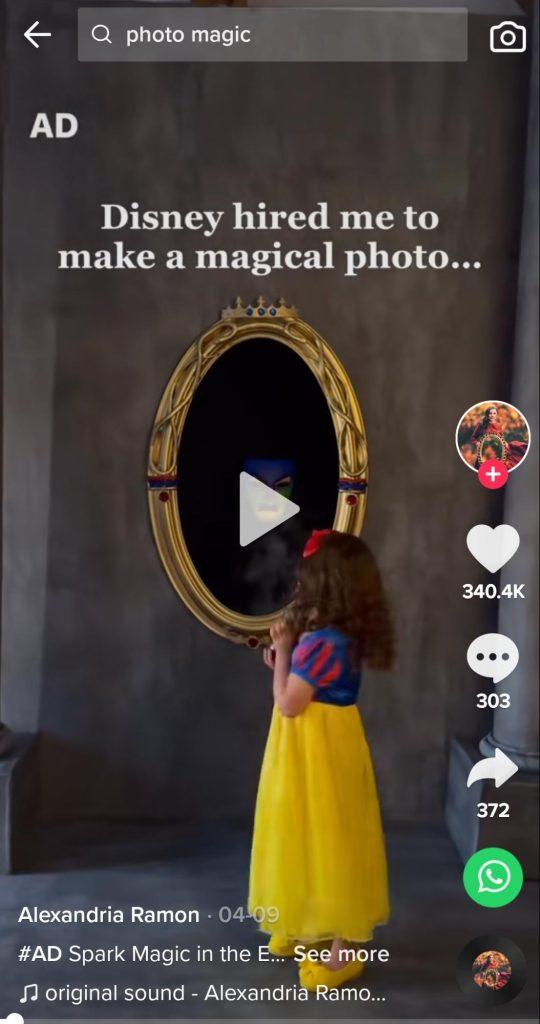
As TikTok continues to grow, its algorithm will likely evolve to incorporate more advanced features, such as AI-generated content and enhanced search capabilities. Brands that stay ahead of these changes and focus on creating authentic, engaging content will be best positioned to succeed.
In the coming years, we can expect TikTok to place even more emphasis on personalization, search-driven discovery, and creator partnerships. By staying informed and adapting your strategy accordingly, you can harness the power of TikTok’s ad algorithm to drive meaningful results.
Final Thoughts
Understanding TikTok’s ad algorithm is essential for any brand looking to succeed on the platform. By focusing on high-quality content, leveraging trends, optimizing for search, and consistently posting, you can increase your visibility and engagement. Remember, the key to success on TikTok is authenticity and relevance—create content that resonates with your audience, and the algorithm will work in your favor.
With the right approach, TikTok can become a powerful tool for driving growth, building brand awareness, and generating sales. Start experimenting today, and don’t forget to track your performance to refine your strategy over time.

Posting Komentar untuk "How TikTok's Ad Algorithm Works: What You Need to Know in 2024"
Posting Komentar