
How to Budget for TikTok Ad Campaigns in 2024: Tips and Strategies
TikTok has become one of the most powerful platforms for digital marketing, especially for small businesses looking to reach a younger, highly engaged audience. With over a billion active users, TikTok offers unique opportunities for brands to connect with potential customers through creative and authentic content. However, like any advertising platform, success on TikTok requires careful planning, particularly when it comes to budgeting for TikTok ad campaigns.
Whether you're a seasoned marketer or just starting out, understanding how to allocate your budget effectively can make the difference between a successful campaign and one that falls flat. In this article, we'll explore the key factors to consider when budgeting for TikTok ads in 2024, including realistic budgets, ad formats, and best practices for maximizing your return on investment (ROI).
Understanding TikTok’s Ad Structure

Before diving into budgeting, it's important to understand how TikTok's advertising platform is structured. TikTok uses a campaign-based system that includes:
- Campaigns: The top-level structure where you set your overall objective, such as driving traffic, increasing app installs, or boosting conversions.
- Ad Groups: Within each campaign, you create ad groups to target specific audiences, set placements, and manage your budget.
- Ads: These are the actual creatives (videos, images, etc.) that users see.
This structure allows for greater control over your ad spend and helps you optimize performance based on real-time data.
Key Factors That Influence Your TikTok Ad Budget

Several factors determine how much you should budget for your TikTok ad campaigns:
1. Campaign Objective
Your goal plays a major role in determining your budget. For example: - Awareness: Focuses on reaching as many people as possible. This usually has a lower cost per impression (CPM). - Traffic: Drives users to your website or landing page. You may need a higher budget to ensure visibility. - Conversions: Encourages users to take a specific action, such as making a purchase. This typically requires a larger budget due to the higher value of each conversion.
2. Target Audience
The size and specificity of your target audience will affect your ad spend. Narrower audiences may require more precise targeting, which can increase costs. Conversely, broader audiences may be cheaper but less effective.
3. Ad Format
TikTok offers several ad formats, each with different pricing models: - In-Feed Video Ads: These appear in users’ "For You" feed and are the most affordable option. - TopView Ads: Full-screen video ads that play when users open the app. These are more expensive but offer high visibility. - Brand Takeover: A premium ad format that appears when users first open the app. These are costly but ideal for brand awareness. - Spark Ads: Boosts your existing organic content. This can be a cost-effective way to repurpose high-performing videos.
Realistic Budgeting for Small Businesses
For small businesses, the good news is that TikTok offers a low barrier to entry. Here’s a breakdown of realistic budget ranges for 2024:
- Minimum Daily Budget: $50
- Minimum Ad Group Budget: $20
- Average CPM (Cost Per 1,000 Impressions): $9–$12
- Average CPC (Cost Per Click): $0.80–$1.50
A typical starting budget for small businesses is $500 to $1,500 per month, allowing for consistent testing and optimization.
To calculate your initial budget, use this simple formula:
Budget = Target Number of Sales × Target CPA
For example, if you want 20 sales and are willing to pay $25 per acquisition, your budget should be $500.
Tips for Effective Budgeting
Here are some actionable tips to help you budget effectively for your TikTok ad campaigns:
1. Start Small and Test
Begin with a modest budget and test different creatives, audiences, and ad formats. This helps you gather data and refine your strategy before scaling up.
2. Focus on High-Performing Content
TikTok rewards authenticity and creativity. Invest in content that feels native to the platform—short, engaging, and relatable. Avoid traditional commercials, as they tend to underperform.
3. Use Local Targeting
If you’re a brick-and-mortar business, leverage TikTok’s geotargeting features to reach users in your local area. This can drive foot traffic and increase conversions.
4. Track Key Metrics
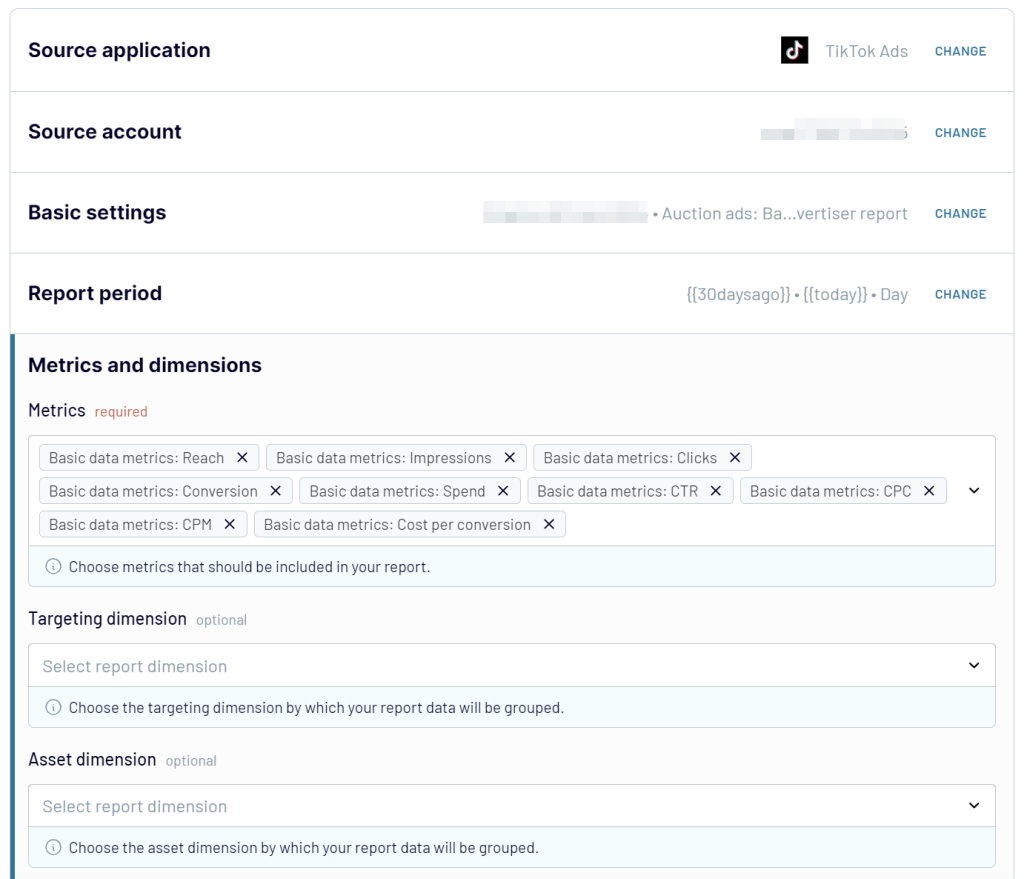
Monitor metrics such as: - CPM (Cost Per 1,000 Impressions) - CPC (Cost Per Click) - CTR (Click-Through Rate) - CPA (Cost Per Acquisition) - ROAS (Return on Ad Spend)
These metrics will help you evaluate the effectiveness of your campaigns and adjust your budget accordingly.
Common Mistakes to Avoid
While budgeting for TikTok ad campaigns, avoid these common pitfalls:
- Overestimating Reach: Don’t assume your ad will go viral. Focus on measurable results rather than views.
- Ignoring Audience Relevance: Ensure your ads are shown to the right people. Irrelevant targeting leads to wasted budget.
- Neglecting Optimization: Regularly review your campaign performance and adjust your bids, targeting, and creatives to improve ROI.
Conclusion: Your Next Customer is on TikTok
With its massive user base, low entry costs, and emphasis on authentic content, TikTok is an excellent platform for small businesses looking to grow their brand and drive sales. By understanding how to budget for TikTok ad campaigns and following best practices, you can create effective, data-driven campaigns that deliver real results.
Start small, test everything, and let your brand’s unique personality shine through. With the right strategy, TikTok can become a powerful tool in your marketing arsenal.

Posting Komentar untuk "How to Budget for TikTok Ad Campaigns in 2024: Tips and Strategies"
Posting Komentar