
How to Build Custom TikTok Audiences for Targeted Marketing
In today's digital age, social media platforms have become essential tools for businesses looking to connect with their target audience. Among these platforms, TikTok has emerged as a powerful tool for marketers due to its massive user base and unique algorithm. With over 1.5 billion monthly users, TikTok offers small businesses an affordable and effective way to reach the right audience. By building custom TikTok audiences, businesses can significantly enhance their marketing efforts and achieve measurable growth.
Understanding TikTok's Audience and Algorithm
TikTok's user demographics are diverse, spanning multiple age groups. The platform is particularly popular among younger audiences, but it also attracts users aged 25-34 and 35+. This diversity presents a unique opportunity for small businesses to tailor their marketing strategies to specific demographics.
Age Group Key Characteristics and Business Opportunities
- 16-24: Highly active and trend-driven, ideal for youth-focused brands, fashion, and entertainment.
- 25-34: Growing audience with more spending power, suitable for lifestyle products and professional services.
- 35+: Emerging group with strong brand loyalty, effective for home goods, family products, and local services.
Understanding these characteristics allows businesses to create content that resonates with their target audience. TikTok's algorithm plays a crucial role in this process by focusing on user behavior, giving small businesses a chance to gain organic exposure.
How TikTok's Algorithm Affects Visibility
The TikTok algorithm considers several factors when determining which videos to show users:
- User Interactions: Metrics like watch time, likes, and shares are key indicators of engagement.
- Content Details: Hashtags, captions, sounds, and effects all play a role in content visibility.
- Device and Account Settings: Language and location settings help refine audience targeting.
By focusing on regular posting, creating engaging content, and leveraging trends, businesses can improve their reach and visibility on TikTok.
Using TikTok Analytics for Audience Insights
TikTok provides valuable analytics tools that help businesses track their performance and make data-driven decisions. Accessing TikTok Analytics involves switching to a Pro Account and exploring the dashboard, which includes three main sections:
- Overview: Video views, profile visits, follower count.
- Content: Watch time, engagement rates, traffic sources.
- Followers: Demographics, active times, interests.
Analyzing these metrics allows businesses to understand their audience better and refine their content strategy.
Key Metrics to Track
- Watch Time: Average watch time is a critical factor in TikTok's algorithm. Videos that perform well often have an average watch time that exceeds their actual length.
- Peak Activity Times: Posting 1-2 hours before peak activity can maximize engagement.
- Engagement Metrics: Completion rates, likes, comments, shares, and saves are essential indicators of content performance.
By monitoring these metrics, businesses can adjust their strategies and create content that resonates with their audience.
Targeting Strategies for Small Businesses on TikTok
TikTok offers powerful tools for small businesses to connect with their ideal customers. Here are some effective targeting strategies:
Targeting by Interests and Behaviors
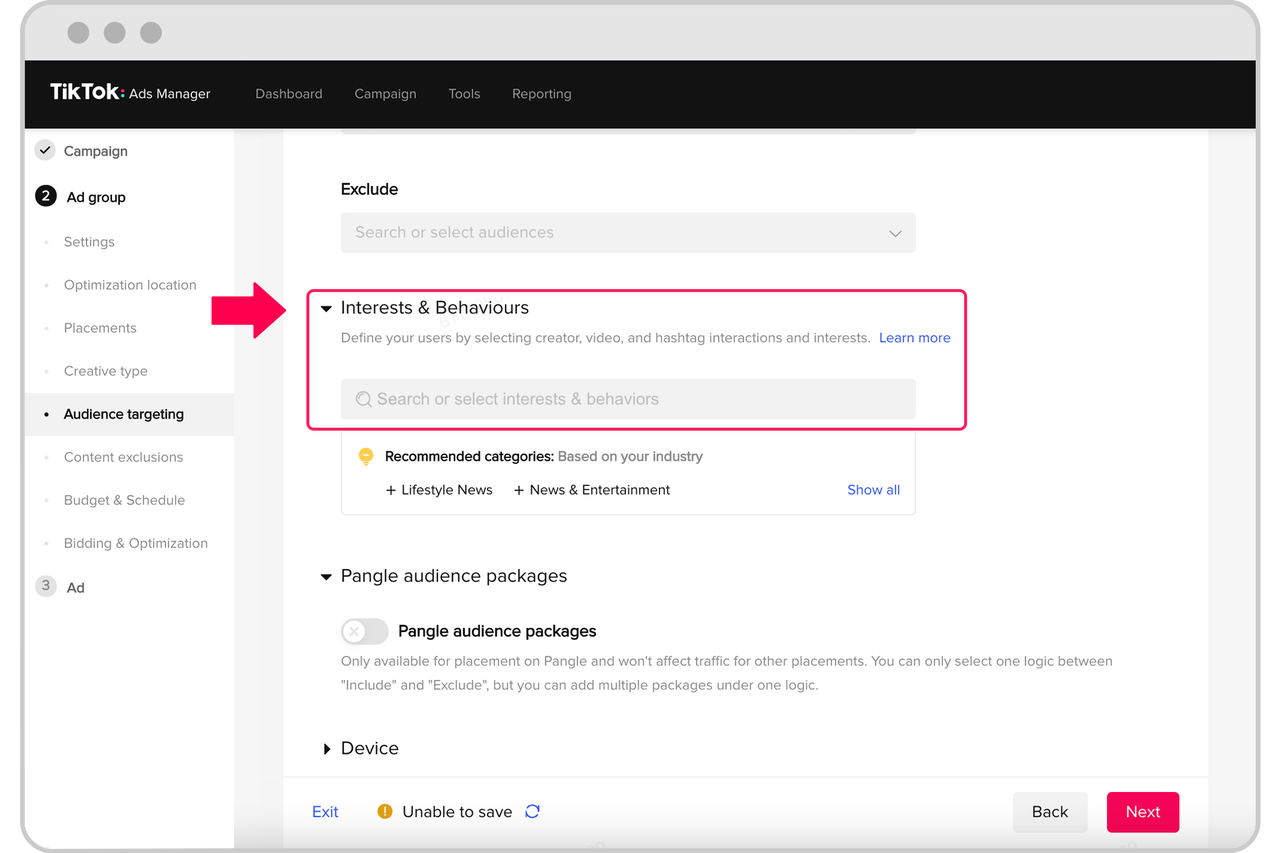
TikTok's interest-based targeting allows businesses to reach users based on what they like and how they interact with content. For example, a fitness equipment store can target users interested in "home workouts" and "fitness equipment reviews."
Targeting by Geography and Demographics
Adding location and demographic filters ensures content reaches the right people. TikTok Ads Manager allows pinpoint accuracy, down to specific cities or regions. For instance, a boutique coffee shop could target coffee enthusiasts aged 25-34 within a 5-mile radius.
Using Custom and Lookalike Audiences
Custom and lookalike audiences allow businesses to retarget existing customers and discover new ones with similar interests. Uploading customer lists to TikTok Ads Manager helps create custom audiences, while lookalike audiences expand reach.
Creating Content for Your Target Audience
Once the target audience is identified, the next step is to create content that speaks directly to them. Aligning content with audience interests is crucial for engagement.
Ideas for Content Creation
- Educational Videos: Share expertise and help the audience learn something new.
- Behind-the-Scenes Clips: Give a glimpse of the process or team to create a personal connection.
- Product Showcases: Highlight offerings in a way that excites potential buyers.
- User-Generated Content: Share content from customers to build trust.
- Tutorials: Offer step-by-step guides that solve problems or teach skills.
Balancing trends with brand identity is essential. Using popular sounds, joining relevant hashtag challenges, and experimenting with trending filters can amplify reach while maintaining brand consistency.
Tracking and Improving Targeting Performance
To succeed on TikTok, businesses need to track their performance and make adjustments as needed. Regularly monitoring key metrics helps understand what the audience connects with and refine strategies accordingly.
Setting Up Performance Metrics
Key metrics to track include:
- Engagement Rates: Likes, comments, shares.
- Video Performance: Average watch time, completion rates.
- Follower Growth: Daily and weekly increases.
- Conversions: Website visits and sales driven by TikTok traffic.
Using A/B testing helps determine what works best for the audience. Testing elements like content type, video length, posting times, and call-to-actions provides actionable insights.
Refining Strategies with Analytics
Analyzing audience behavior and content performance helps identify patterns and guide future content creation. Regular strategy reviews every 1–3 months ensure alignment with audience preferences.
Conclusion: Key Points for TikTok Audience Targeting
TikTok offers small businesses a range of tools to connect with their ideal customers. Its analytics dashboard provides detailed insights into audience demographics, behavior, and engagement trends, which can help businesses grow. Focusing on targeting methods like broad targeting, custom audiences, and automated optimization ensures effective strategies.
Long-term success on TikTok depends on consistently analyzing metrics like engagement rates, follower growth, and conversions. By pairing these insights with thoughtful content and regular optimization, small businesses can cultivate a loyal audience and achieve measurable results.
[IMAGE: Building custom TikTok audiences for targeted marketing]

Posting Komentar untuk "How to Build Custom TikTok Audiences for Targeted Marketing"
Posting Komentar