
How to Effectively Analyze TikTok Ad Data for Better Marketing Results
Analyzing TikTok ad data is crucial for businesses looking to optimize their marketing strategies and achieve better results. With the platform's massive user base and unique engagement dynamics, understanding how to interpret and leverage ad performance metrics can make a significant difference in campaign success. This article will guide you through the key steps and best practices for effectively analyzing TikTok ad data.
Understanding Key Metrics
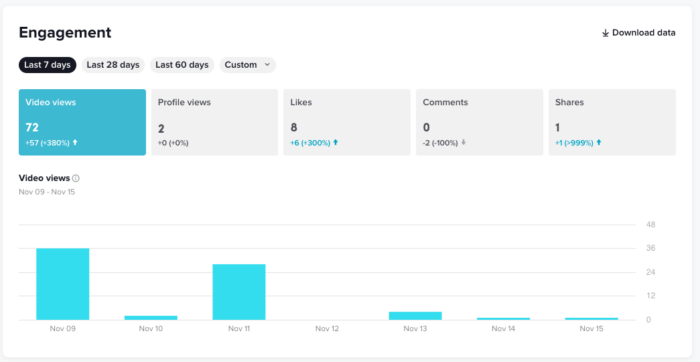
Before diving into analysis, it's essential to understand the key metrics that provide insights into your TikTok ad campaigns. These metrics help you gauge the effectiveness of your ads and identify areas for improvement.
1. Impressions
Impressions refer to the number of times your ad is shown on TikTok. This metric helps you understand how often your ad is being delivered to users. However, it's important to note that impressions alone don't indicate engagement or conversion rates.
2. Reach
Reach measures the number of unique users who saw your ad. It's a critical metric for brand awareness campaigns as it shows how many different people are exposed to your content.
3. Click-Through Rate (CTR)
CTR is the percentage of users who clicked on your ad after seeing it. A high CTR indicates that your ad is resonating with your target audience and compelling them to take action.
4. Cost Per Click (CPC)
CPC tells you how much you're spending for each click on your ad. This metric helps you evaluate the efficiency of your ad spend and determine if your budget is being used effectively.
5. Return on Ad Spend (ROAS)
ROAS measures the revenue generated for every dollar spent on ads. This is a crucial metric for assessing the profitability of your campaigns and making informed decisions about future investments.
Tools for Tracking TikTok Ad Data

To effectively analyze TikTok ad data, you need the right tools that provide accurate insights and allow for easy tracking and reporting.
1. TikTok Ads Manager
TikTok Ads Manager is the primary tool for tracking the performance of your paid campaigns. It provides access to all key ad metrics like impressions, clicks, CTR, CPC, and ROAS. You can view performance at different levels: campaign, ad group, or ad.
2. TikTok Pixel
If your campaign focuses on sales, leads, or other actions beyond just clicks, the TikTok Pixel is essential for accurate tracking. The Pixel allows you to measure what users do after they click on your ads, such as viewing a product, adding to cart, or making a purchase.
3. TikTok Events API
The TikTok Events API works alongside or in place of the Pixel to track conversion events more accurately. It sends data directly from your server to TikTok, reducing the risk of missed conversions due to ad blockers or tracking restrictions.
Best Practices for Analyzing TikTok Ad Data

To get the most out of your TikTok ad data, follow these best practices:
1. Focus on Revenue Metrics
Clients care about profit margins, not engagement percentages. Focus on metrics like ROAS and Customer Acquisition Cost (CAC) to show the financial impact of your campaigns.
2. Use Real-Time Data
Real-time conversion tracking provides immediate feedback on the effectiveness of your campaigns. This helps during monthly check-ins and mid-campaign optimizations.
3. Track Seasonal Trends
Monitor revenue trends over time to identify seasonal patterns. This helps in planning future campaigns and adjusting strategies based on historical data.
4. Compare with Other Channels
Compare TikTok ad performance with other advertising channels to determine which platforms deliver the best results. This helps in allocating budgets more effectively.
5. Optimize Based on Insights
Use the insights gained from analyzing your data to optimize your campaigns. Adjust targeting, creatives, and bidding strategies based on what works best.
Common Issues and Fixes

If your TikTok ad data isn't showing up as expected, consider the following common issues and fixes:
1. Reach-Based Metrics
Avoid using reach-based metrics when viewing combined data. Focus on aggregatable metrics like Impressions, Clicks, and Conversions.
2. Overlapping Dimensions
Avoid overlapping dimensions when comparing raw totals. View metrics at the Ad Group or Ads level instead of Campaign.
3. Deleted Campaigns
Ensure that deleted campaigns are included in your reports. Go to the Filter menu and select "Ad Status" or "Ad Group Status" to include deleted data.
Conclusion
Effectively analyzing TikTok ad data requires a combination of understanding key metrics, using the right tools, and following best practices. By focusing on revenue metrics, leveraging real-time data, and continuously optimizing your campaigns, you can achieve better marketing results and maximize the return on your ad spend. Stay updated with TikTok's evolving KPIs and adapt your strategies accordingly to stay ahead in the competitive digital landscape.

Posting Komentar untuk "How to Effectively Analyze TikTok Ad Data for Better Marketing Results"
Posting Komentar