
How to Effectively Control Your TikTok Advertising Budget in 2024
TikTok has become a powerful platform for brands looking to reach a vast and engaged audience. With over 1 billion monthly active users, it's no surprise that many businesses are investing in TikTok advertising. However, managing your TikTok ad budget effectively is crucial to ensure you get the most out of your marketing spend. In this article, we’ll explore practical strategies and insights to help you control your TikTok advertising budget in 2024.

Understanding TikTok Ad Costs
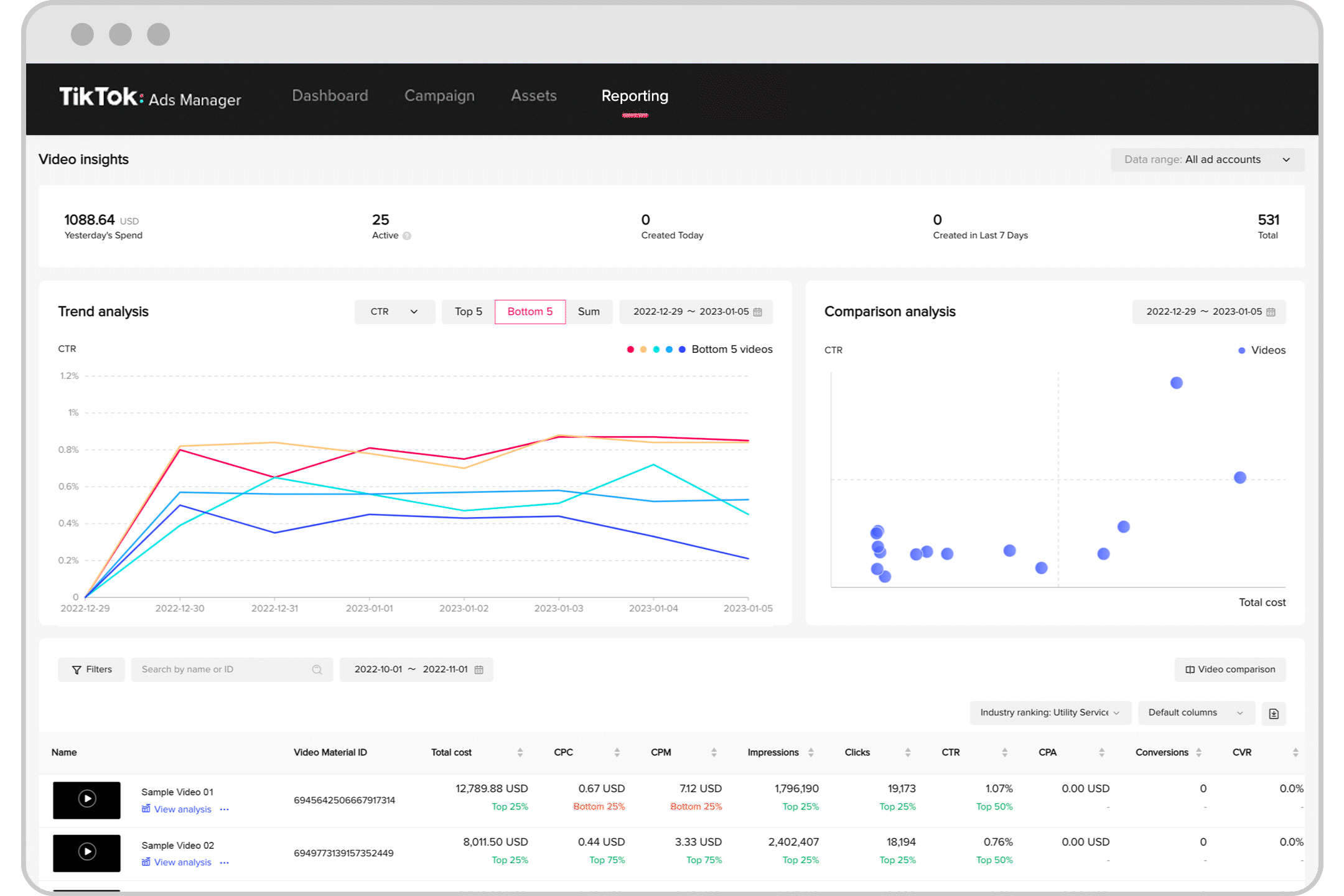
Before diving into budget control, it's essential to understand how TikTok ad costs work. The cost of TikTok ads varies depending on several factors, including targeting, seasonality, and industry competition. As of 2025, TikTok ad prices start as low as $10 daily, with average CPM (cost per thousand impressions) rates ranging between $1.82 and $10. CPC (cost per click) rates average around $0.19, which is significantly lower than Facebook’s $0.97.
Most TikTok advertising campaigns require a minimum budget of $500 per campaign, with daily minimums of $50 at the campaign level. It's important to note that costs can fluctuate, especially during peak seasons like the holiday period, where CPMs may reach $12+ in December.
Key Strategies for Controlling Your TikTok Advertising Budget

1. Start with a Clear Budget
Setting a clear budget is the first step in controlling your TikTok advertising spend. Determine how much you're willing to invest in your campaigns and stick to it. This will help you avoid overspending and ensure that your money is allocated efficiently.
- Daily Budget: Set a daily budget for each ad group, starting at $20. This allows for better control compared to a lifetime budget.
- Campaign Budget: Ensure your campaign budget meets the minimum requirements, typically $500 per campaign.
2. Use Manual Bidding
Manual bidding gives you more control over your ad spend. Instead of relying on automatic bidding, set your own bids based on your campaign goals. This allows you to adjust your bids in real-time, ensuring you’re not paying more than necessary.
- CPM Bidding: Ideal for brand awareness campaigns, where the goal is to maximize impressions.
- CPC Bidding: Best for campaigns focused on driving clicks or conversions.
- CPA Bidding: Useful for campaigns aimed at achieving specific actions, such as purchases or sign-ups.
3. Test and Optimize Ad Creatives
Testing different ad creatives is a powerful way to reduce costs while maintaining performance. By experimenting with various video styles, music tracks, and calls to action, you can identify what resonates best with your audience.
- A/B Testing: Create multiple versions of your ads and test them against each other to see which performs better.
- Optimize for Engagement: Focus on creating content that captures attention quickly, as TikTok users have short attention spans.
4. Leverage TikTok's Audience Targeting
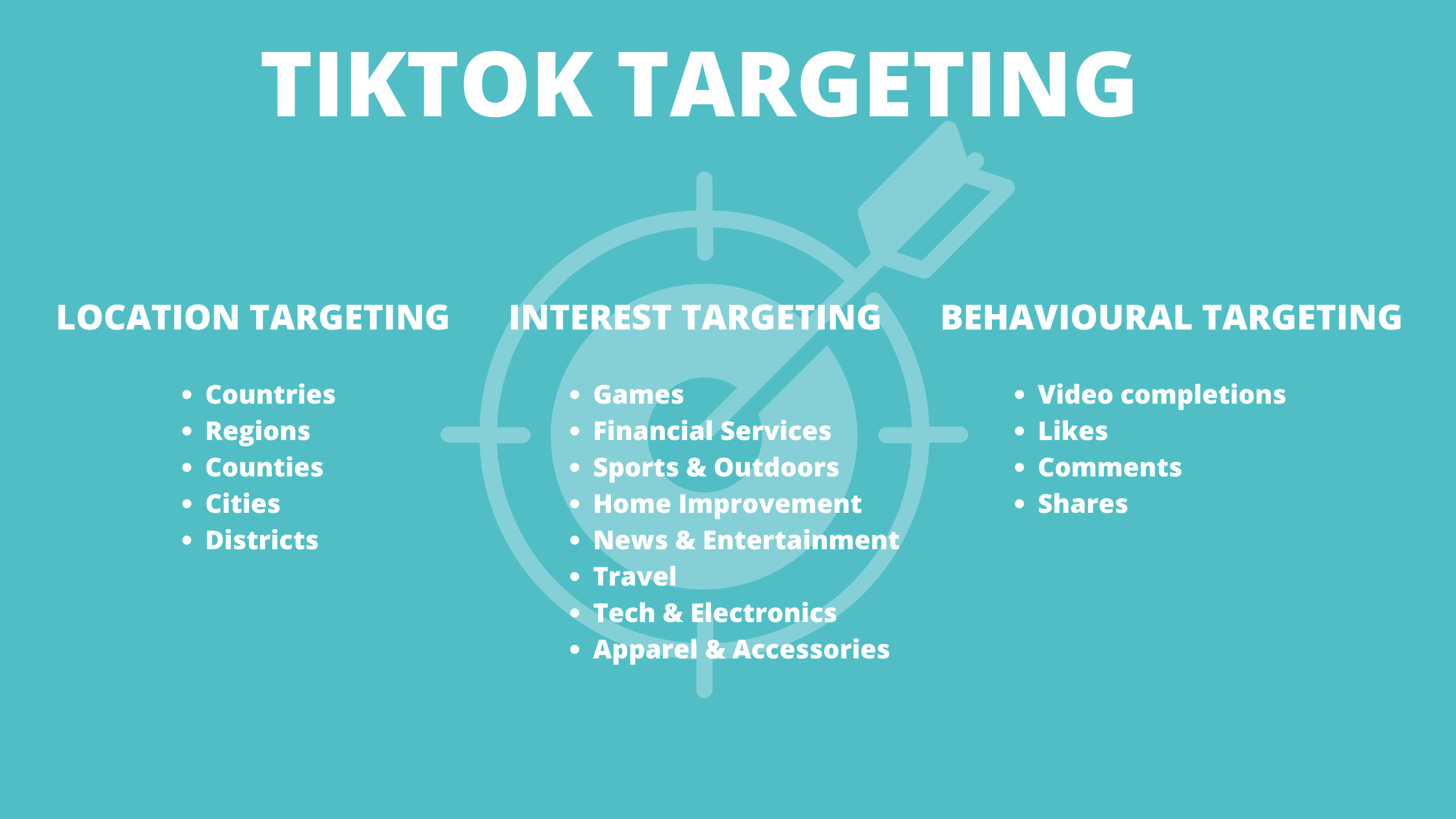
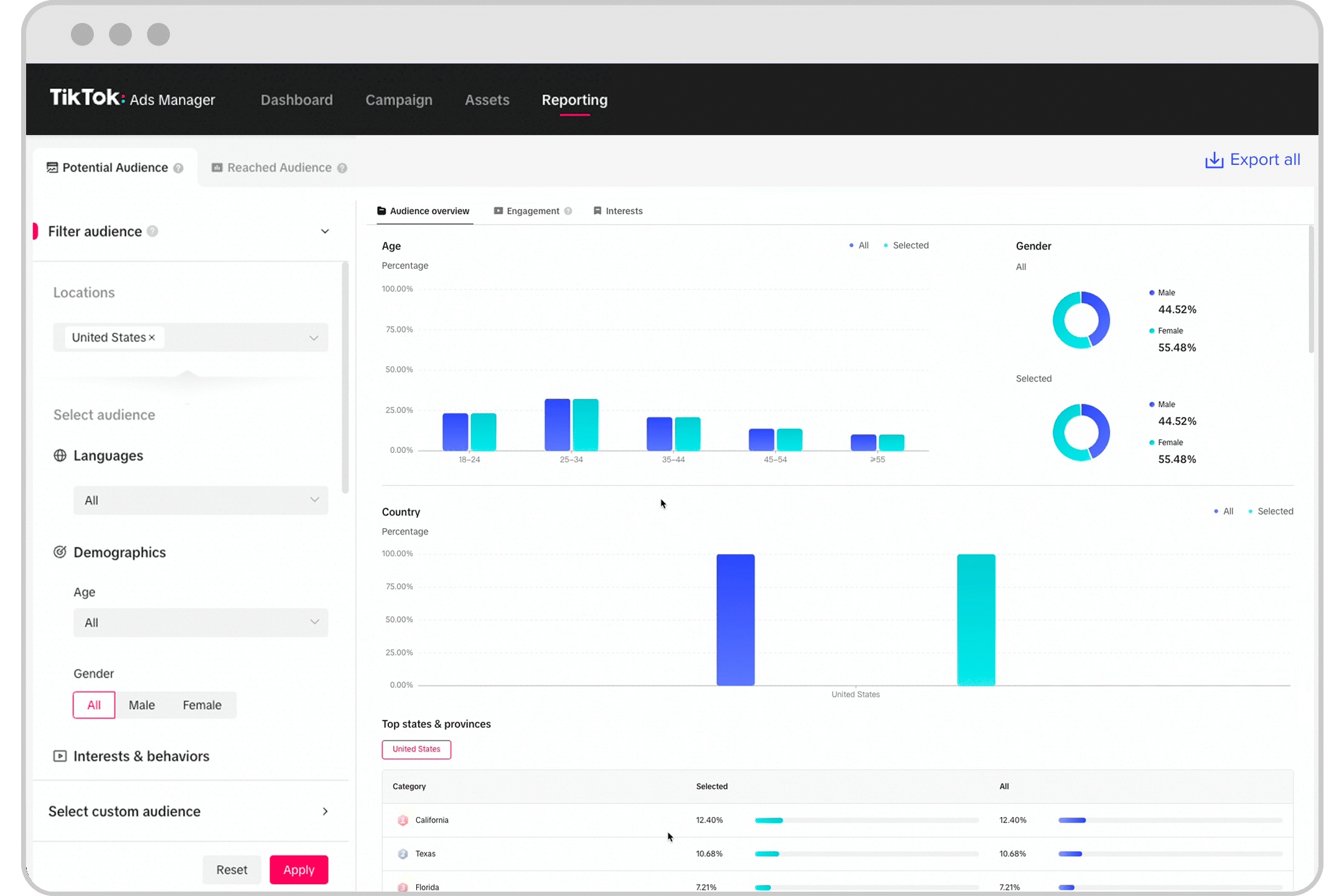
TikTok offers advanced audience targeting options that allow you to reach the right people. By narrowing down your target audience, you can increase the relevance of your ads, leading to higher engagement and lower costs.
- Demographic Targeting: Focus on specific age groups, genders, and locations.
- Interest-Based Targeting: Reach users based on their interests and behaviors.
- Custom Audiences: Retarget users who have interacted with your content or visited your website.
5. Monitor and Adjust Campaign Performance

Regularly monitoring your campaign performance is essential for effective budget control. Use TikTok's analytics tools to track key metrics such as click-through rates, conversion rates, and return on ad spend (ROAS).
- Track Metrics: Keep an eye on metrics like CTR, CPC, and ROAS to evaluate the effectiveness of your campaigns.
- Adjust Strategies: Based on your performance data, make adjustments to your targeting, creatives, or bidding strategies to optimize results.
6. Utilize Dayparting
Dayparting involves scheduling your ads to run during specific times of the day when your target audience is most active. This strategy can help you avoid high-cost periods and improve the efficiency of your ad spend.
- Peak Hours: Run your ads during off-peak hours when competition is lower and costs are reduced.
- Low-Demand Periods: Consider testing your ads during low-demand periods to save on costs.
7. Avoid Peak Seasons
During peak seasons, such as the holiday period, TikTok ad costs can spike significantly. To control your budget, consider avoiding these high-cost periods or adjusting your strategies to minimize expenses.
- Holiday Campaigns: If you must run campaigns during peak seasons, focus on high-performing creatives and optimize your bids to stay within your budget.
- Alternative Timing: Consider running campaigns during off-peak times when costs are lower and competition is less intense.
8. Use Cost Cap Bidding
Cost cap bidding allows you to set a maximum cost per action (CPA) or cost per click (CPC), ensuring you don't exceed your budget. This strategy is particularly useful for campaigns focused on conversions or specific actions.
- Target CPA: Set a target CPA and let TikTok automatically adjust your bids to meet your goal.
- Bid Cap: Set a maximum bid amount to prevent overspending.
Conclusion
Controlling your TikTok advertising budget in 2024 requires a combination of strategic planning, continuous optimization, and data-driven decisions. By understanding TikTok ad costs, setting clear budgets, testing creatives, leveraging audience targeting, and monitoring performance, you can effectively manage your ad spend and achieve your marketing goals. With the right strategies in place, you can maximize the impact of your TikTok advertising while keeping costs under control.

Posting Komentar untuk "How to Effectively Control Your TikTok Advertising Budget in 2024"
Posting Komentar