
How to Effectively Interpret TikTok Ad Campaign Data for Better Marketing Decisions
In the fast-paced world of digital marketing, TikTok has emerged as a powerful platform for reaching a vast and engaged audience. With its unique blend of entertainment and social interaction, TikTok offers businesses an opportunity to connect with users in innovative ways. However, to harness the full potential of TikTok Ads, it's essential to understand how to interpret the data generated by your ad campaigns. This article will guide you through the key metrics, their significance, and how to use them to make informed decisions that drive better marketing outcomes.
Understanding Key TikTok Ad Metrics
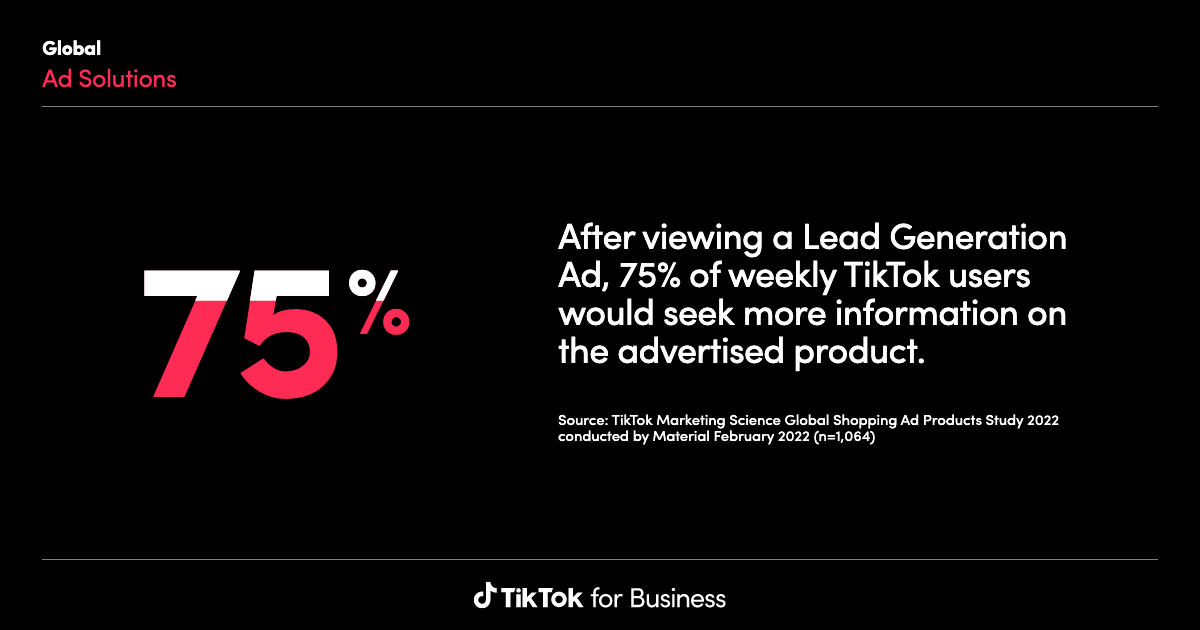
When running TikTok Ad campaigns, there are several critical metrics that you should track to evaluate performance. These metrics provide insights into how well your ads are resonating with your target audience and whether they are achieving your marketing objectives.
1. Impressions
Impressions measure the total number of times your ad is displayed to users. It’s important to note that impressions do not necessarily equate to engagement; they simply indicate how many times your ad was shown. A high number of impressions can suggest that your ad is reaching a broad audience, but it’s crucial to analyze this metric alongside other engagement indicators.
2. Clicks (Destination)

Clicks refer to the number of times users click on your ad to navigate to a specific destination, such as a website or app. This metric helps you understand how effectively your ad is driving traffic to your desired landing page. A high number of clicks indicates that your ad content is compelling enough to encourage user interaction.
3. Click-Through Rate (CTR)

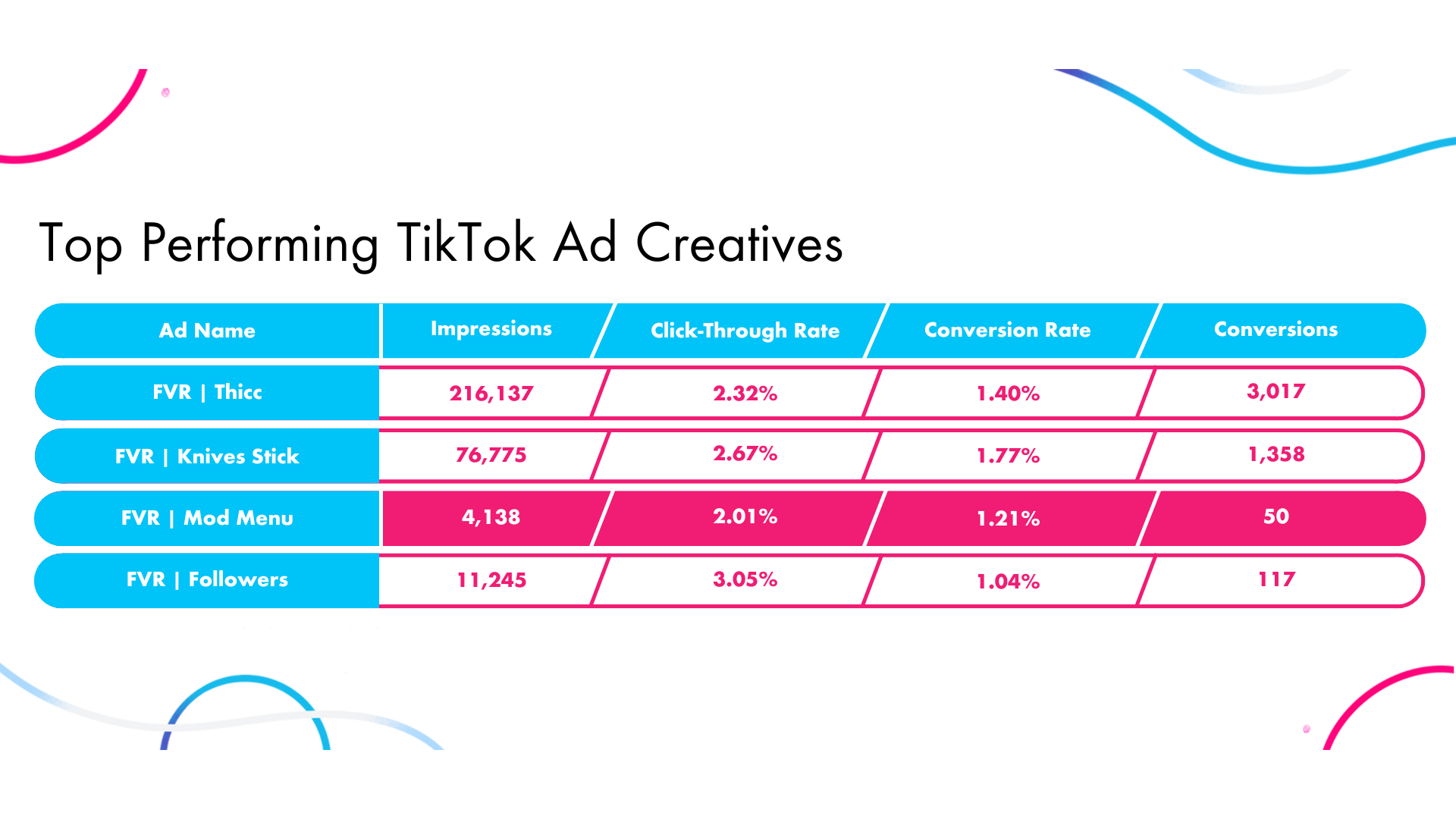
The Click-Through Rate (CTR) measures the percentage of users who click on your ad after seeing it. A higher CTR suggests that your ad is resonating well with your audience. The average CTR for TikTok Ads is around 0.84%, but this can vary based on your niche and call-to-action.
4. Conversion Rate (CVR)
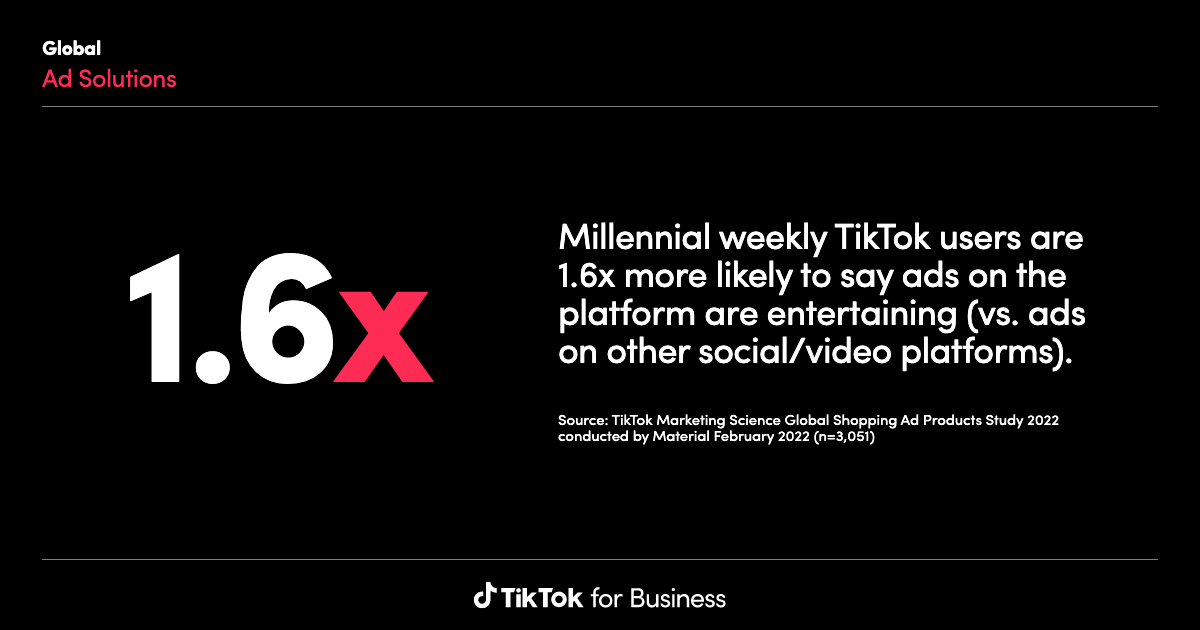
Conversion Rate (CVR) measures the percentage of users who complete a desired action after clicking on your ad. This could include making a purchase, signing up for a newsletter, or downloading an app. A strong CVR indicates that your ad is not only attracting clicks but also converting them into meaningful actions.
5. Cost Per Click (CPC)

Cost Per Click (CPC) is the amount you pay each time a user clicks on your ad. This metric helps you understand the cost-effectiveness of your ad campaigns. A lower CPC generally indicates that your ad is performing well and is more likely to yield a positive return on investment.
6. Cost Per View (CPV)
Cost Per View (CPV) measures the average cost you pay when a user views your video ad. This metric is particularly relevant for video-based campaigns, as it allows you to assess the effectiveness of your visual content. A lower CPV suggests that your ad is engaging and resonates well with your audience.
7. Cost Per Action (CPA)

Cost Per Action (CPA) measures the average cost you pay for a specific action taken by a user after viewing your ad. This could be a purchase, form submission, or any other desired action. Monitoring CPA helps you ensure that your ad campaigns are generating valuable conversions at a reasonable cost.
8. Cost Per Mille (CPM)
Cost Per Mille (CPM) measures the cost of displaying your ad to 1,000 users. This metric is useful for evaluating the reach of your ad campaigns and understanding how much you’re spending to achieve broad exposure. A lower CPM indicates that your ad is cost-effective and reaching a large audience.
9. Return on Ad Spend (ROAS)
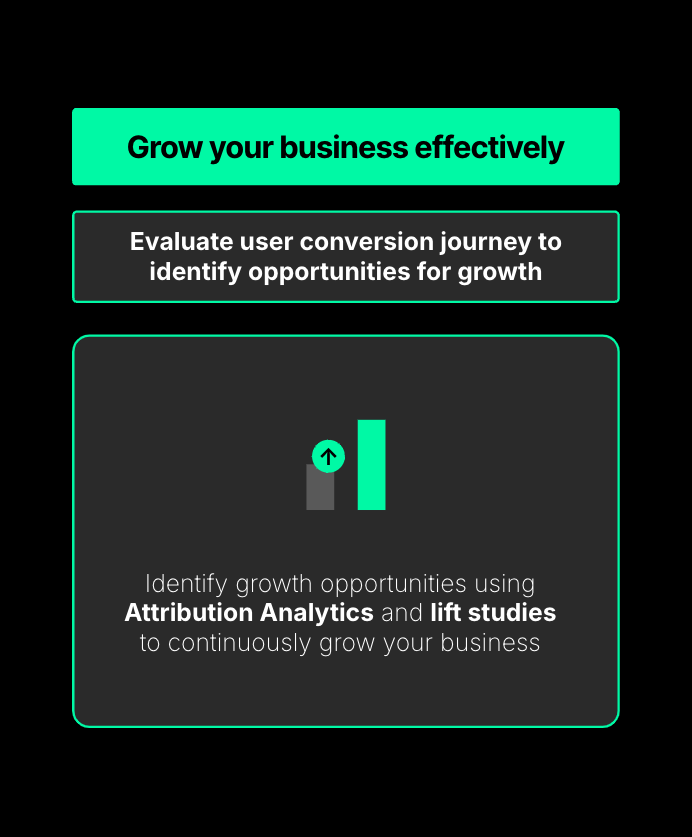
Return on Ad Spend (ROAS) is a crucial metric that measures the revenue generated from your ad campaigns relative to the cost of those campaigns. A ROAS of 3:1 or higher is considered excellent, indicating that your ad spend is yielding significant returns.
10. Ad Spend
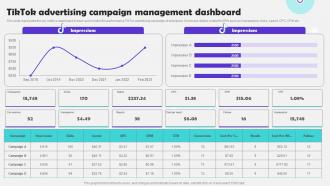
Ad Spend refers to the total amount of money you invest in your TikTok Ad campaigns. Monitoring your ad spend helps you understand how effectively you are utilizing your marketing budget and identify areas where you can optimize your spending.
Strategies for Interpreting TikTok Ad Data

Interpreting TikTok Ad data requires a strategic approach that involves analyzing the metrics mentioned above and using them to make informed decisions. Here are some strategies to help you effectively interpret your TikTok Ad data:
1. Track and Compare Metrics
Regularly track the key metrics discussed above and compare them across different campaigns. This will help you identify trends, understand what works, and make adjustments to improve performance.
2. Analyze Audience Engagement
Engagement metrics such as likes, comments, shares, and saves can provide valuable insights into how your audience is interacting with your content. High engagement levels indicate that your content is resonating with your target audience.
3. Monitor Conversion Funnel
Understanding the conversion funnel is essential for optimizing your ad campaigns. Track how users move from initial impressions to clicks, conversions, and ultimately, sales. This will help you identify bottlenecks and improve the overall user experience.
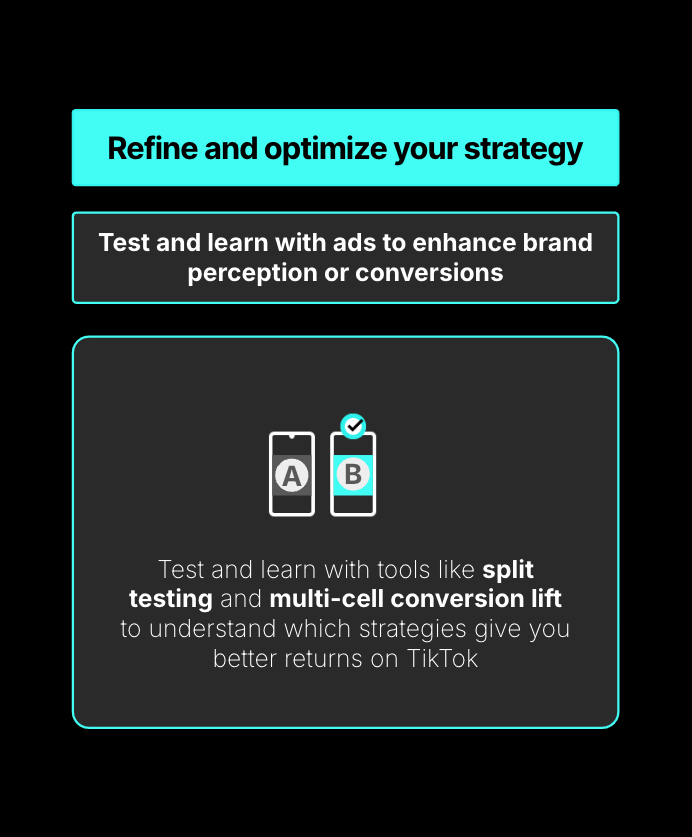
4. Test and Optimize
Continuous testing and optimization are crucial for improving ad performance. Experiment with different ad creatives, targeting options, and bidding strategies to determine what works best for your campaigns.
5. Utilize Analytics Tools
Leverage analytics tools such as TikTok’s native dashboard and third-party platforms like Coupler.io to gain deeper insights into your ad performance. These tools can help you visualize data, track trends, and make data-driven decisions.
Conclusion
Effectively interpreting TikTok Ad campaign data is essential for making informed marketing decisions and maximizing the ROI of your advertising efforts. By understanding the key metrics, tracking performance, and continuously optimizing your campaigns, you can ensure that your TikTok Ads are delivering the results you desire. Remember, the goal is not just to reach a large audience but to engage them meaningfully and convert them into loyal customers. With the right strategies and tools, you can unlock the full potential of TikTok as a powerful marketing platform.

Posting Komentar untuk "How to Effectively Interpret TikTok Ad Campaign Data for Better Marketing Decisions"
Posting Komentar