
How to Effectively Manage TikTok Ad Campaign Expenses
TikTok has evolved from a platform for short-form entertainment into a powerful marketing tool for brands. With its massive user base and unique algorithm, TikTok offers unparalleled opportunities for brand visibility, engagement, and sales. However, managing TikTok ad campaign expenses effectively is crucial to ensure your budget is spent wisely and your return on investment (ROI) is maximized. In this article, we’ll explore strategies to help you manage your TikTok ad spend efficiently.
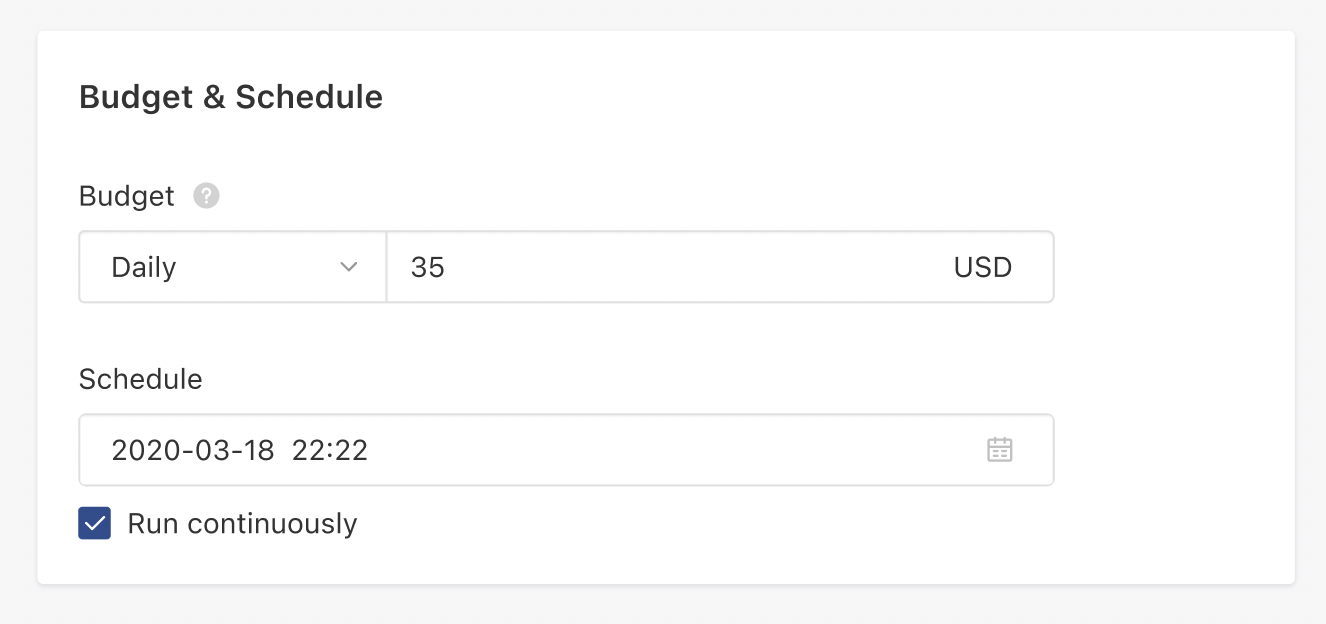
Understanding TikTok’s Advertising Model

Before diving into expense management, it's essential to understand how TikTok’s advertising system works. TikTok offers several ad formats, including in-feed ads, brand takeovers, hashtag challenges, and AR effects. Each format has different costs and targeting options, so choosing the right one depends on your campaign goals and audience.
Key Considerations:
- In-Feed Ads: These are the most cost-effective option for small and mid-sized businesses. They appear in users’ "For You" feeds and are generally cheaper than other ad types.
- Brand Takeover: These ads are more intrusive and appear as soon as someone opens the app. They are ideal for high-impact campaigns but come with a higher price tag.
- Hashtag Challenges: These allow brands to create interactive content that encourages user participation. They can be expensive, especially if they’re part of a larger campaign.
- AR Effects: These are creative and engaging but often require a significant budget due to their complexity.
Strategies for Managing TikTok Ad Expenses

1. Define Clear Goals
Start by setting clear objectives for your TikTok ad campaign. Whether your goal is to increase brand awareness, drive traffic to your website, or boost sales, having a defined goal will help you allocate your budget more effectively.
Examples of Goals: - Awareness: Focus on reach, watch time, and shares. - Traffic: Target clicks to a landing page or website. - Sales: Use product demos, UGC, and comparisons to drive conversions.
2. Know Your Audience

Understanding your target audience is critical for effective ad spending. TikTok’s algorithm prioritizes content that resonates with users, so knowing who your audience is and what they engage with will help you create more relevant and cost-effective ads.
Steps to Identify Your Audience: - Analyze your competitors’ content to see what resonates. - Use TikTok’s analytics tools to track user behavior. - Create buyer personas based on demographics, interests, and behaviors.
3. Optimize for Search (TikTok SEO)
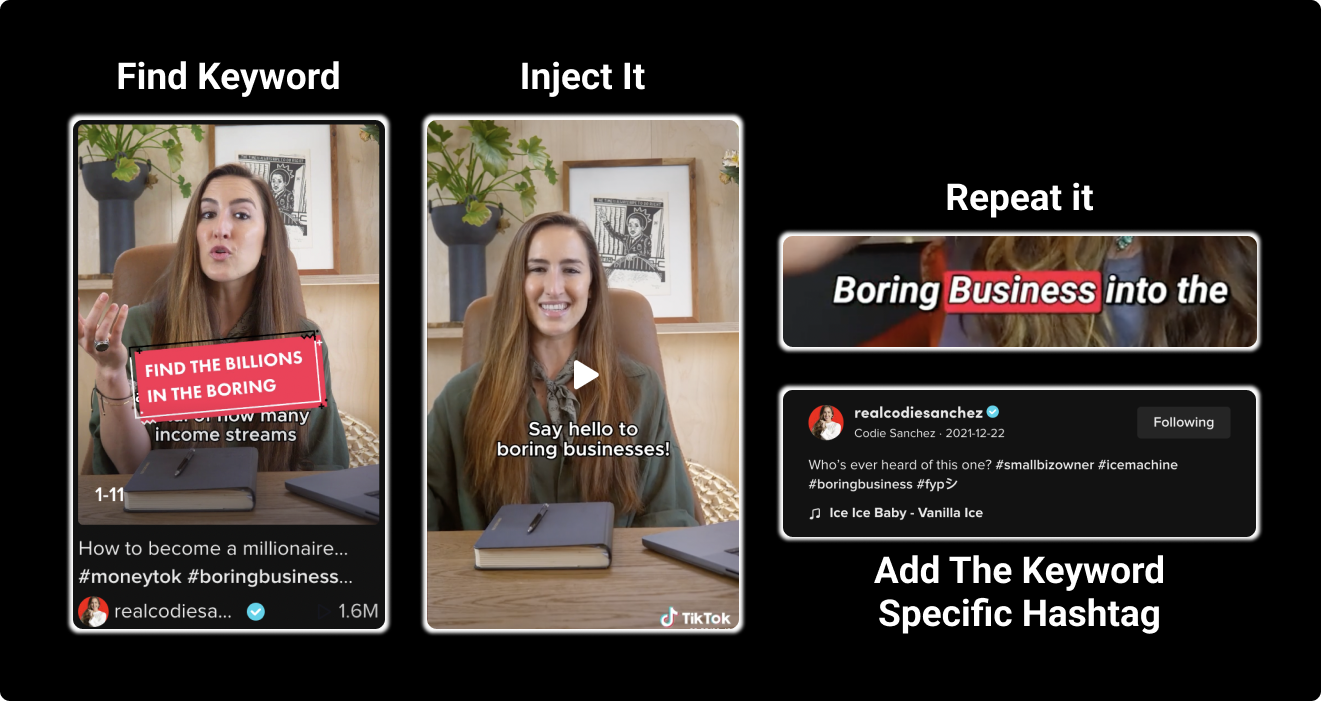
TikTok is increasingly being used as a search engine, making TikTok SEO an essential part of your strategy. Incorporate keywords naturally into your captions, on-screen text, and voiceovers to improve discoverability.
Tips for TikTok SEO: - Use relevant keywords in your captions and video descriptions. - Include keywords in the first few seconds of your video. - Create content that answers specific user queries.
4. Test and Refine

Testing different ad formats, headlines, and visuals is key to finding what works best for your brand. Use A/B testing to compare performance and refine your strategy based on data.
Best Practices for Testing: - Test one variable at a time (e.g., headline, CTA, visual). - Track metrics like click-through rate (CTR), conversion rate, and cost per acquisition (CPA). - Use the insights gained to optimize future campaigns.
5. Leverage Retargeting

Retargeting allows you to reach users who have already interacted with your brand, increasing the likelihood of conversion. Use TikTok’s retargeting features to create personalized ads for users who have visited your website, engaged with your content, or added items to their cart.
Benefits of Retargeting: - Increases conversion rates. - Reduces customer acquisition costs. - Helps build brand loyalty.
6. Monitor and Adjust
Regularly monitor your ad performance using TikTok’s analytics tools. Track key metrics such as impressions, clicks, conversions, and cost per action (CPA). Use this data to adjust your strategy and reallocate your budget where it’s most effective.
Key Metrics to Track: - Impressions: Measures how many times your ad was shown. - Clicks: Tracks how many users clicked on your ad. - Conversions: Measures how many users completed a desired action (e.g., purchase, sign-up). - CPA: Calculates the cost of acquiring a customer.
Conclusion

Managing TikTok ad campaign expenses requires a strategic approach that combines goal-setting, audience understanding, and continuous optimization. By defining clear objectives, leveraging TikTok SEO, testing different ad formats, and monitoring performance, you can ensure your budget is spent effectively and your ROI is maximized. With the right strategy, TikTok can become a powerful tool for driving growth and achieving your marketing goals.

Posting Komentar untuk "How to Effectively Manage TikTok Ad Campaign Expenses"
Posting Komentar