
How to Interpret TikTok Ad Metrics: A Complete Guide for Marketers
TikTok has become a powerhouse in the world of digital marketing, offering brands a unique opportunity to connect with a massive and engaged audience. However, with such a vast platform comes the need for effective measurement and optimization. Understanding TikTok ad metrics is crucial for any marketer looking to maximize their return on investment (ROI) and refine their advertising strategy.
Why TikTok Ad Metrics Matter
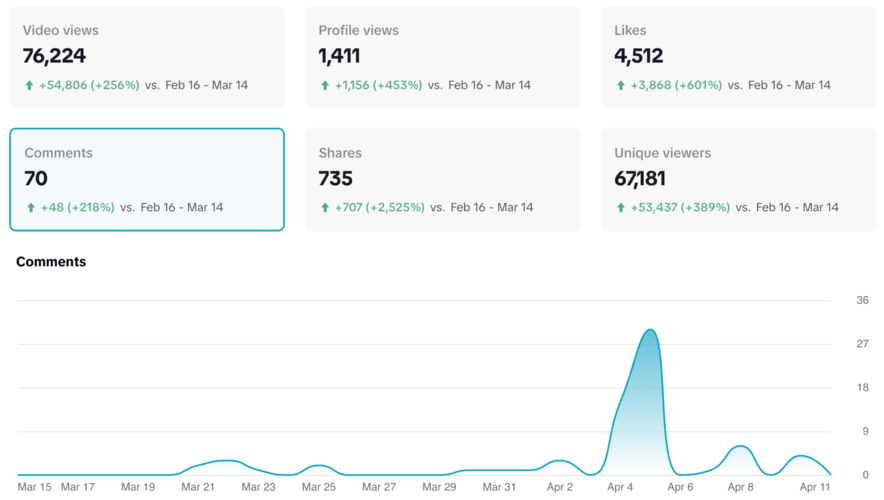
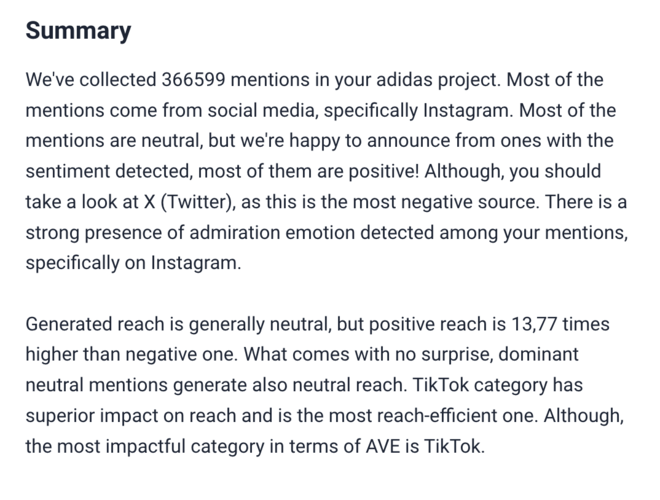
TikTok ad metrics provide valuable insights into how your ads are performing, allowing you to make data-driven decisions that can significantly impact your campaign's success. These metrics help you understand not only the reach of your ads but also the engagement levels, conversion rates, and overall effectiveness of your advertising efforts. By analyzing these metrics, you can identify what works and what doesn’t, enabling you to adjust your strategy for better results.
Top TikTok Ad Metrics to Track

1. Impressions
Impressions measure how many times your ad is displayed to users. This metric gives you an idea of the visibility of your ad and helps you understand how often your content is being seen. A high number of impressions indicates that your ad is reaching a broad audience.
Why It Matters: High impressions can lead to increased brand awareness and engagement. However, it's important to note that impressions alone don't guarantee engagement or conversions.
2. Reach
Reach refers to the number of unique users who have seen your ad. Unlike impressions, which count every time an ad is shown, reach counts each user only once, regardless of how many times they see the ad.
Why It Matters: Reach is essential for measuring the effectiveness of your targeting strategy. A higher reach means your ad is being seen by more people, increasing the potential for engagement and conversions.
3. Clicks (Destination)
Clicks measure the number of times users click on your ad, directing them to a specific destination such as a website, app, or landing page. This metric is crucial for understanding how well your ad is driving traffic to your desired location.
Why It Matters: Clicks indicate the interest level of your audience. A high number of clicks suggests that your ad is resonating with users and encouraging them to take action.
4. Click-Through Rate (CTR)
CTR measures the percentage of users who click on your ad after seeing it. It is calculated by dividing the number of clicks by the total number of impressions and multiplying by 100.
Why It Matters: CTR is a key indicator of ad effectiveness. A high CTR means your ad is engaging and compelling enough to encourage users to take action. The average CTR for TikTok ads is around 0.84%, but this can vary depending on your niche and call-to-action.
5. Conversion Rate (CVR)
CVR measures the percentage of users who complete a desired action after clicking on your ad, such as making a purchase, filling out a form, or signing up for a newsletter.
Why It Matters: CVR is a direct indicator of how well your ad is converting viewers into customers. A higher CVR means your ad is effective at driving conversions and achieving your marketing goals.
6. Cost Per Click (CPC)
CPC measures the amount you pay for each click on your ad. It is calculated by dividing the total ad spend by the number of clicks.
Why It Matters: CPC helps you understand the cost-effectiveness of your ad campaign. A lower CPC means you're getting more value for your money, allowing you to allocate your budget more efficiently.
7. Cost Per View (CPV)
CPV measures the average cost you pay when a user views your video. It is calculated by dividing the total cost of your ad campaign by the number of views it receives.
Why It Matters: CPV is particularly useful for brand awareness campaigns where the goal is to increase visibility rather than drive immediate sales. A lower CPV indicates that your ad is reaching a larger audience at a lower cost.
8. Cost Per Action (CPA)
CPA measures the average cost you pay for a specific action taken by a user after viewing your ad, such as a purchase, sign-up, or download.
Why It Matters: CPA is a critical metric for evaluating the ROI of your ad campaign. A lower CPA means your ad is more effective at generating conversions and achieving your business objectives.
9. Return on Ad Spend (ROAS)
ROAS measures the revenue generated from your ad campaign compared to the cost of the campaign. It is calculated by dividing the total revenue by the total ad spend.
Why It Matters: ROAS is a key indicator of the profitability of your ad campaign. A higher ROAS means your ad is generating more revenue relative to its cost, making it a more effective use of your budget.
10. Cost Per Mille (CPM)
CPM measures the cost you pay for displaying your ad to 1,000 users. It is calculated by dividing the total ad spend by the number of impressions and multiplying by 1000.
Why It Matters: CPM is useful for understanding the cost of reaching a large audience. A lower CPM means you're getting more exposure for your budget, making it a cost-effective way to increase brand awareness.
How to Track and Analyze TikTok Ad Metrics

Tracking and analyzing TikTok ad metrics requires a combination of tools and strategies. Here are some steps to help you effectively monitor and interpret your ad performance:
-
Use TikTok Ads Manager: TikTok provides a built-in analytics tool called TikTok Ads Manager, which allows you to track key metrics such as impressions, clicks, and conversions. This tool offers a comprehensive overview of your ad performance and helps you identify areas for improvement.
-
Leverage Third-Party Tools: In addition to TikTok's native analytics, consider using third-party tools like Coupler.io or Looker Studio to gain deeper insights into your ad performance. These tools allow you to consolidate data from multiple platforms and create custom reports for better analysis.
-
Set Clear Goals: Define clear objectives for your ad campaigns, such as increasing brand awareness, driving traffic, or boosting sales. Setting specific goals will help you focus on the metrics that matter most for your business.
-
Monitor Performance Regularly: Regularly review your ad metrics to track progress and identify trends. This will help you make informed decisions and adjust your strategy as needed.
-
Test and Optimize: Continuously test different ad formats, creatives, and targeting strategies to see what works best for your audience. Use A/B testing to compare different versions of your ads and optimize for better results.
-
Analyze Audience Insights: Understand your target audience by analyzing demographic data, interests, and behavior. This will help you tailor your ads to resonate with your audience and improve engagement.
By following these steps, you can effectively track and analyze TikTok ad metrics, ensuring that your campaigns are optimized for maximum impact and ROI.

Posting Komentar untuk "How to Interpret TikTok Ad Metrics: A Complete Guide for Marketers"
Posting Komentar