
How to Manage TikTok Ad Campaigns Efficiently: A Step-by-Step Guide
TikTok has become a powerful platform for brands to reach a vast and engaged audience. With over 1 billion users worldwide, it's no surprise that many businesses are turning to TikTok for marketing. However, managing TikTok ad campaigns efficiently requires a strategic approach. This guide will walk you through the essential steps to create, optimize, and manage your TikTok ad campaigns effectively.
Define Clear Goals
Before launching any TikTok ad campaign, it's crucial to define clear goals. What do you want to achieve? Common objectives include increasing brand awareness, driving traffic to your website, generating leads, or boosting sales.
- Brand Awareness: Focus on reach, watch time, shares, and follows. Prioritize broad, relatable content with fast hooks that get FYP distribution.
- Lead Generation: Drive clicks to a landing page, quiz, waitlist, or newsletter. Use “comment to get” CTAs, pinned comments, and simple offers.
- Direct Sales: Design content around product proof—UGC, demos, before/after, comparisons, and objections. Ensure fulfillment can handle demand spikes.
- App Installs: Lead with the problem your app solves, show the workflow in 10 seconds, and use social proof + a single CTA (“Download,” “Try,” “Install”).
Identify Your Target Audience

Understanding your target audience is key to creating effective TikTok ads. Analyze your competitors and identify trends in what your audience engages with. Consider behavioral segmentation, interest clusters, and trend participation patterns.
- Behavioral Segmentation: Who is searching, saving, commenting, or buying? Example segments: “deal hunters,” “routine viewers,” “comparison shoppers,” “DIY learners.”
- Interest Clusters: Identify 5–10 topics your customers binge (not just your niche). A skincare brand might map clusters like “acne solutions,” “derm tips,” “budget routines,” “product dupes.”
- Trend Participation Patterns: Some audiences love trends; others prefer tutorials and reviews. Track what your audience shares, not only what they like.
Build a Content Strategy

Creating a content strategy that aligns with TikTok's culture is essential. Use content pillars such as educational, entertaining, and promotional content.
- Educational: How-to, myths, tips, breakdowns
- Entertaining: Trend-led, relatable humor, POVs
- Promotional: Demos, offers, testimonials, comparisons
Use trends as a delivery mechanism for your message. Don't force it. If you can't link the trend to a customer problem in one sentence, skip it.
Create a Posting & Testing Framework
Consistency matters, but "consistent learning" matters more. Build a system you can maintain.
- Posting Frequency: Start realistic. Many brands see traction at 3–5 posts/week when the quality and hooks are strong. Increase only when you can maintain creative freshness.
- A/B Testing Hooks: Test one variable at a time—hook line, first visual, angle, or CTA. Keep the rest similar so you know what changed performance.
- First 3-Second Retention Strategy: Your first seconds should do one job: stop the scroll. Use movement (hands/product/action), a clear promise (“Here’s how to…”), a bold result (“This changed my…”), or instant proof (before/after, demo, screenshot).
Leverage TikTok SEO

TikTok is now a search-driven platform. A modern TikTok marketing strategy includes TikTok SEO so your videos keep getting discovered weeks later.
- Keyword-Based Captions: Write captions like mini search answers. Include your primary keyword naturally (e.g., “TikTok marketing strategy for brands”) plus a specific angle (“for ecommerce,” “for small business,” “for beginners”).
- On-Screen Text Optimization: Put the main keyword or question on screen. TikTok often reads this text, and users scan it while scrolling.
- Voiceover Keywords: Say the keyword out loud in the first 5–8 seconds. Spoken words reinforce relevance for search discovery.
Use the Right Ad Formats

TikTok offers various ad formats, including In-feed native ads, Spark Ads, Collection ads, and Lead generation ads. The most effective ad formats resemble regular TikTok videos, not traditional commercials.
- In-feed Native Ads: Native-style TikTok ads that appear in the For You Page. Best for performance campaigns and creative testing.
- Spark Ads: Boost high-performing organic or creator content. This keeps social proof intact while scaling reach.
- Collection Ads: For ecommerce catalogs.
- Lead Generation Ads: For collecting leads.
Track Performance Metrics
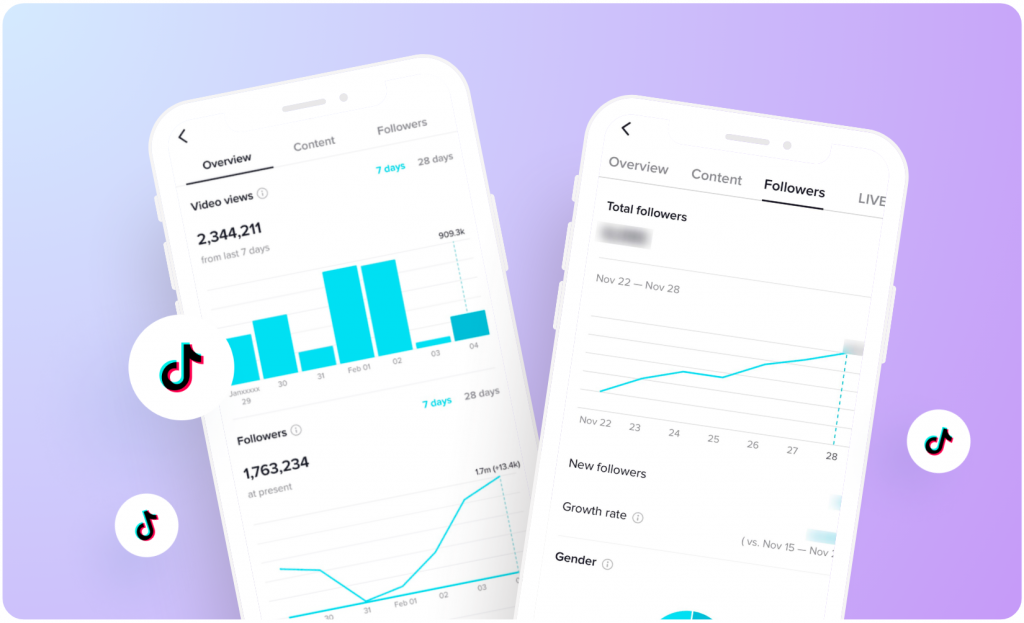
Data transforms content into strategy. Without tracking the right KPIs, your TikTok marketing strategies become guesswork.
- Engagement Metrics: Watch time, completion rate, shares.
- Conversion Metrics: CTR (Click-Through Rate), CPA (Cost Per Acquisition), ROAS (Return on Ad Spend).
- Algorithm Signals That Boost Reach: Strong first 3-second retention, rewatches, comments, saves, and shares, keyword relevance.
Avoid Common Mistakes

Avoid these pitfalls if you want a sustainable TikTok brand strategy:
- Overproduced Content: Highly polished ads often underperform compared to authentic videos.
- Ignoring Trends: Refusing to adapt to TikTok culture limits reach.
- Selling Too Aggressively: TikTok users prefer value and entertainment before purchase prompts.
- Not Optimizing for Search: Ignoring TikTok SEO reduces long-term discoverability.
- Not Testing Hooks: Weak openings kill performance before the message is delivered.
Conclusion
Managing TikTok ad campaigns efficiently requires a strategic approach, from defining clear goals to leveraging TikTok SEO and tracking performance metrics. By following these steps, you can create effective campaigns that resonate with your audience and drive results. Stay consistent, test regularly, and adapt to the ever-evolving TikTok landscape to maximize your advertising success.

Posting Komentar untuk "How to Manage TikTok Ad Campaigns Efficiently: A Step-by-Step Guide"
Posting Komentar