
How to Measure TikTok Ads Return on Investment (ROI)
TikTok has become a powerful platform for brands looking to reach new audiences and drive sales. With its unique algorithm and user engagement model, it's essential for marketers to understand how to measure the return on investment (ROI) of their TikTok ads. This article will guide you through the key steps and strategies to effectively evaluate the performance of your TikTok advertising efforts.
Understanding ROI in TikTok Advertising

Return on Investment (ROI) is a crucial metric that helps businesses determine the profitability of their marketing campaigns. In the context of TikTok ads, ROI measures the revenue generated from your ad spend relative to the cost of those ads. A positive ROI indicates that your campaign is profitable, while a negative ROI suggests that you may need to adjust your strategy.
To calculate ROI, you can use the following formula:
ROI = ((Revenue - Cost of Ad) / Cost of Ad) x 100
This formula allows you to assess the effectiveness of your TikTok ads and make informed decisions about future campaigns.
Key Metrics to Track
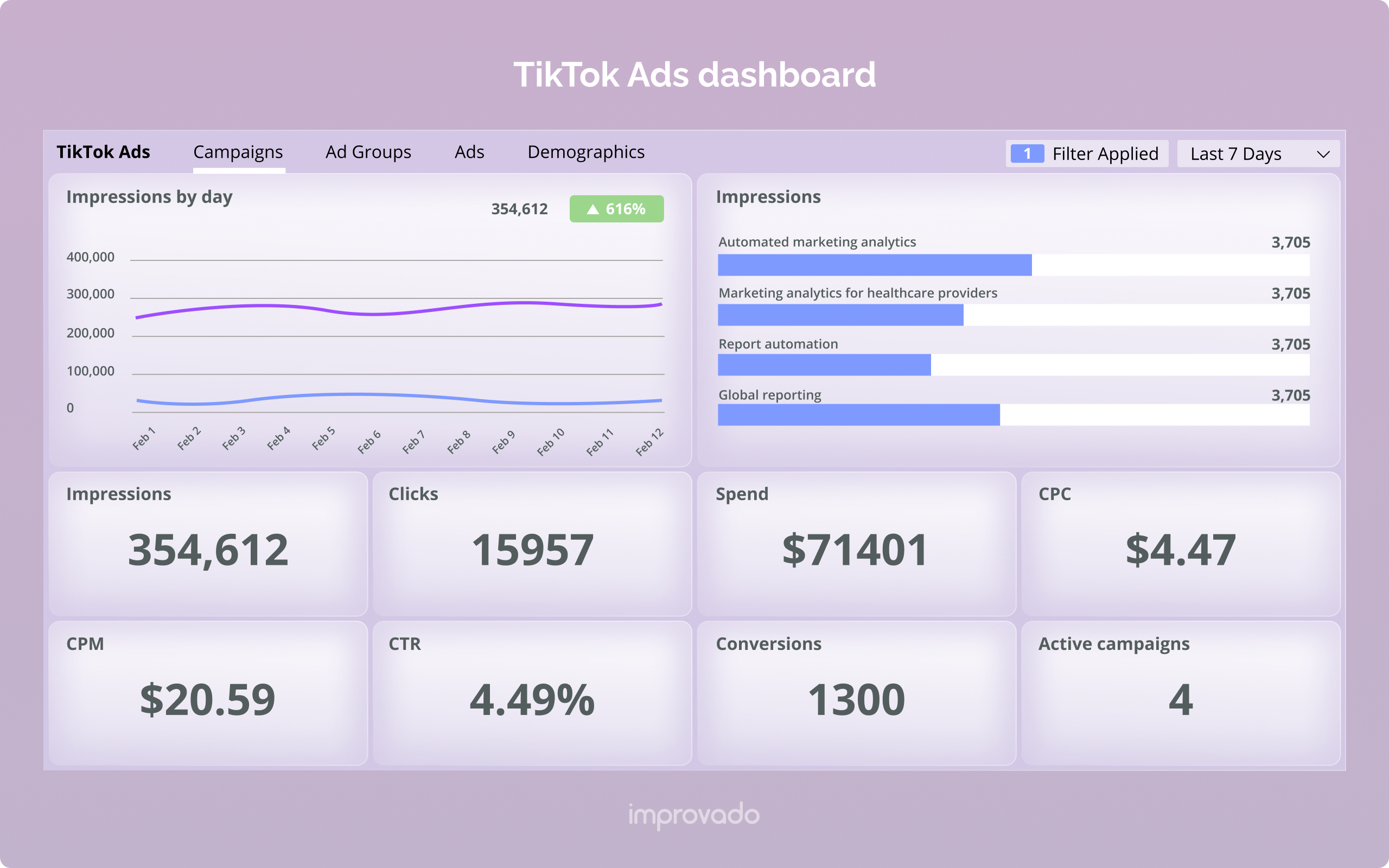
To accurately measure the ROI of your TikTok ads, you need to track several key metrics. These metrics provide insights into the performance of your ads and help you identify areas for improvement. Here are some essential metrics to monitor:
- Click-Through Rate (CTR): Measures the percentage of users who click on your ad after seeing it. A higher CTR indicates that your ad is engaging and relevant.
- Conversion Rate: Tracks the percentage of users who complete a desired action, such as making a purchase or signing up for a newsletter. A higher conversion rate means your ad is effective at driving conversions.
- Cost Per Click (CPC): Calculates the average cost you pay for each click on your ad. Lower CPCs are generally more favorable as they indicate efficient ad spending.
- Cost Per Conversion (CPA): Determines the average cost to acquire a customer through your ad. A lower CPA signifies that your ad is cost-effective.
- Return on Ad Spend (ROAS): Measures the revenue generated for every dollar spent on ads. A higher ROAS indicates that your ads are generating significant returns.
By tracking these metrics, you can gain a comprehensive understanding of your ad performance and make data-driven decisions to optimize your campaigns.
Analyzing Audience Engagement
Understanding your audience's behavior on TikTok is crucial for measuring the ROI of your ads. By analyzing engagement metrics, you can determine which aspects of your ads resonate with your target audience and which ones need improvement. Here are some ways to analyze audience engagement:
- Watch Time: Measures the total time users spend watching your videos. Longer watch times indicate that your content is engaging and valuable to your audience.
- Shares and Saves: Tracks how often users share or save your content. High shares and saves suggest that your content is worth sharing and is likely to reach a wider audience.
- Comments and Likes: Monitors user interactions with your content. Positive comments and likes indicate that your content is well-received and can help build brand loyalty.
By analyzing these engagement metrics, you can refine your ad content to better meet the preferences of your audience and improve overall campaign performance.
Optimizing Your TikTok Ad Strategy

Once you have gathered data on your ad performance and audience engagement, it's time to optimize your TikTok ad strategy. Here are some effective strategies to consider:
- A/B Testing: Experiment with different ad variations to determine which elements (such as headlines, visuals, and calls-to-action) perform best. A/B testing allows you to make data-driven improvements to your ads.
- Targeting Specific Audiences: Use TikTok's targeting options to reach specific demographics, interests, and behaviors. Tailoring your ads to the right audience increases the likelihood of conversions.
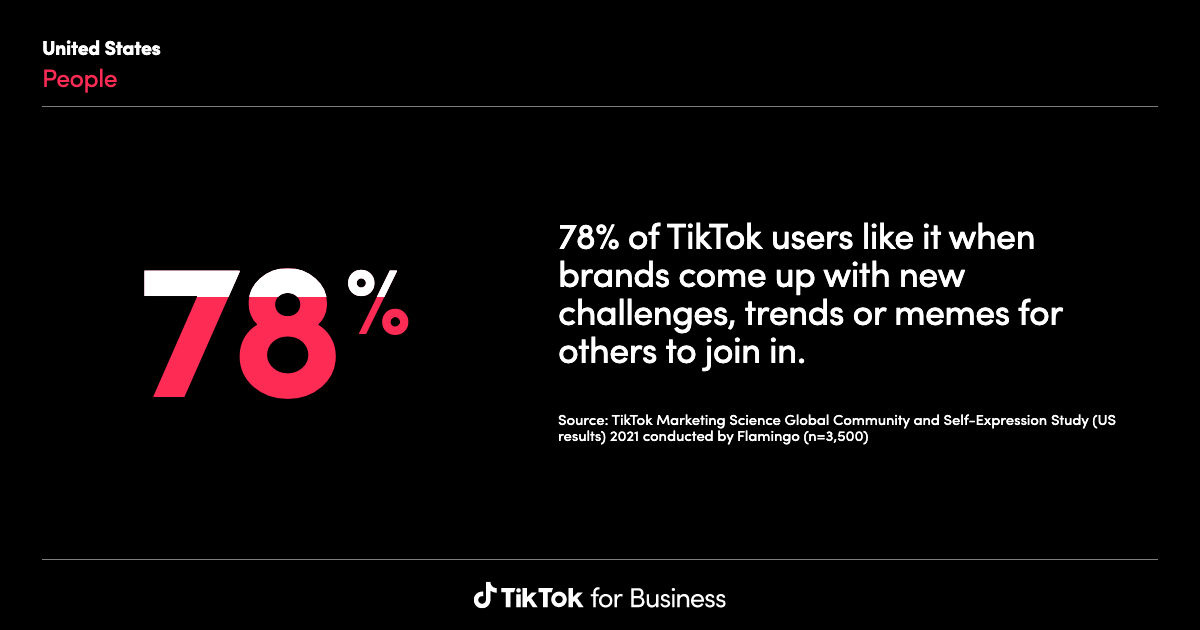
- Leveraging Trends: Incorporate trending topics and challenges into your ad content to increase visibility and engagement. Staying relevant with current trends can significantly boost your ad performance.
- Retargeting Campaigns: Implement retargeting strategies to re-engage users who have interacted with your brand but haven't converted yet. Retargeting can help convert potential customers into actual buyers.
By continuously optimizing your TikTok ad strategy based on performance data, you can maximize your ROI and achieve better results from your advertising efforts.
Conclusion
Measuring the ROI of your TikTok ads is essential for evaluating the effectiveness of your marketing campaigns and making informed decisions. By tracking key metrics, analyzing audience engagement, and optimizing your ad strategy, you can ensure that your TikTok advertising efforts yield positive returns. Remember to regularly review your performance data and adjust your approach as needed to stay competitive in the ever-evolving digital landscape.
Posting Komentar untuk "How to Measure TikTok Ads Return on Investment (ROI)"
Posting Komentar