
How to Optimize TikTok Ad Bidding Strategies for Maximum ROI
TikTok has become a dominant force in the digital advertising landscape, offering businesses an unparalleled opportunity to connect with millions of engaged users. With its powerful algorithm, immersive video format, and growing e-commerce features, TikTok ads can be a goldmine for those who know how to use them effectively. However, optimizing TikTok ad bidding strategies is crucial for maximizing return on investment (ROI) and ensuring that every dollar spent delivers measurable results.
In this article, we’ll explore the key principles of optimizing TikTok ad bidding strategies, including setting clear goals, refining audience targeting, crafting high-quality creatives, and leveraging advanced bidding techniques. Whether you're a seasoned marketer or just starting out, these insights will help you make the most of your TikTok ad spend.
Understanding TikTok’s Ad Bidding Ecosystem
TikTok’s ad auction system has evolved significantly over the years, moving from a simple lowest-cost model to a more complex and dynamic approach. The platform now offers various bidding strategies, each designed to cater to different campaign objectives and business needs. These include:
- Lowest Cost (Automatic Bidding): This strategy allows TikTok’s algorithm to optimize ad delivery for the lowest possible cost per result.
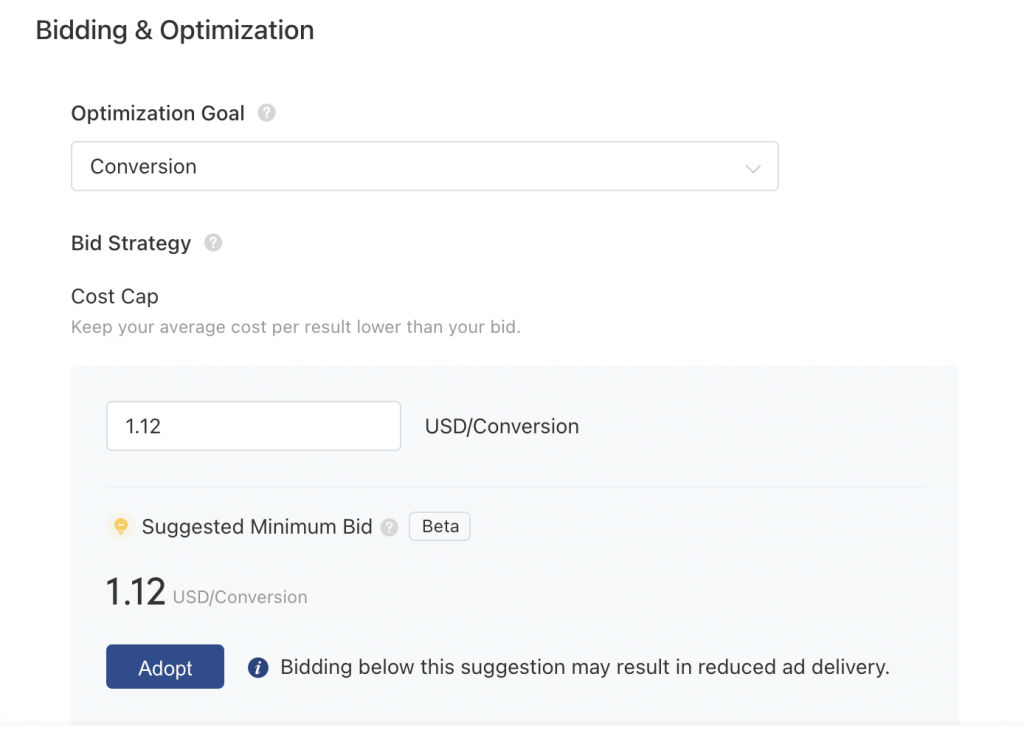
- Cost Cap: Advertisers set a target cost per result, and TikTok adjusts bids to stay within that range.
- Bid Cap: Advertisers set a maximum bid amount for each auction, giving them more control over spending.
- Value-Based Optimization (VBO): This strategy prioritizes high-value conversions by bidding higher on users more likely to make a purchase.
- GMV Max: Designed for e-commerce, this strategy automates everything, focusing on maximizing gross merchandise value (GMV) rather than cost per acquisition (CPA).
Understanding how these strategies work and when to use them is essential for optimizing your TikTok ad bidding strategies.
Key Strategies for Optimizing TikTok Ad Bidding
1. Define Clear Campaign Objectives
Before launching any TikTok ad campaign, it’s crucial to define clear objectives. TikTok offers several campaign objectives, including:
- Awareness: Increase brand recognition and reach a wider audience.
- Consideration: Drive traffic to your website, app, or landing page.
- Conversions: Generate sales, leads, or other meaningful actions.
By aligning your campaign objective with your business goals, you ensure that your ad spend is directed toward the right audience and that your metrics are meaningful. For example, if your goal is to drive sales, using the “Conversions” objective instead of “Engagement” ensures that your ads are shown to users who are more likely to convert.
2. Refine Audience Targeting
TikTok’s algorithm is designed to deliver ads to users most likely to engage, but many advertisers make mistakes in defining their audience, leading to wasted ad spend and poor results. To refine your audience targeting:
- Use TikTok’s Audience Insights Tool: Analyze user demographics, behaviors, and content interactions before setting up your targeting.
- Leverage Interest and Behavior Targeting: Instead of relying only on age, gender, and location, target users based on their engagement with specific content categories and creators.
- Create Custom & Lookalike Audiences: Retarget users who have previously engaged with your brand or use Lookalike Audiences to find similar high-value customers.
By refining your audience targeting, you increase relevance, engagement, and conversions, making your TikTok ad spend much more effective.
3. Craft High-Quality Creatives
TikTok is a video-first platform where visually appealing and engaging content wins. Many advertisers make the mistake of using low-quality, overly polished, or sales-driven ads that fail to capture user attention. To craft high-quality creatives:
- Make It Feel Native to TikTok: Study TikTok trends and blend in with organic content. Use popular effects, transitions, and native elements like text overlays and stickers.
- Follow TikTok’s Creative Best Practices: Keep your videos between 15 to 30 seconds for maximum engagement. Use bold, eye-catching visuals to make users stop scrolling.
- Start With a Strong Hook in the First 3 Seconds: The first 2–3 seconds of your video are crucial. If it doesn’t grab attention instantly, users will scroll past.
- Use High-Quality Video and Sound: Film in 1080p HD resolution to maintain professional quality. Use clear and engaging audio—either a trending TikTok sound or a voiceover that commands attention.
- Add Captions and Text Overlays for Clarity: Use on-screen text to reinforce your message and highlight key points. Add subtitles so users can follow the content even when watching on mute.
By prioritizing engaging, native-style, and high-quality creatives, you will dramatically improve your TikTok ad performance, lower costs, and drive more conversions.
4. Set the Right Budget and Bidding Strategy
Budgeting and bidding strategies are critical for TikTok ad success. However, many marketers either spend too much without testing or set a budget too low to achieve meaningful results. To set the right budget and bidding strategy:
- Start with a Moderate Budget and Scale Gradually: Begin with a budget that allows enough data collection (at least $20–$50 per day per ad set) and scale up once you identify winning ads.
- Use Automatic Bidding for Initial Testing: TikTok’s lowest-cost bidding strategy is ideal when testing different creatives and audiences. Once you find a winning combination, switch to Cost Cap or Bid Cap for better control.
- Monitor Cost Per Result and Adjust Bids Accordingly: If your cost per click (CPC) or cost per acquisition (CPA) is too high, adjust your bid strategy or refine your targeting.
- Allocate More Budget to High-Performing Ads: Once an ad proves profitable, increase its budget gradually while monitoring performance. Avoid scaling too quickly, as it may disrupt TikTok’s learning phase.
By setting the right budget and bidding strategy, advertisers can prevent wasted ad spend, achieve stable performance, and scale successful campaigns profitably.
5. Leverage Retargeting and Lookalike Audiences
Retargeting and lookalike audiences are powerful tools for re-engaging interested users and expanding your reach. To leverage these strategies:
- Set Up TikTok Pixel for Effective Retargeting: Install and configure the TikTok Pixel on your website to track user behavior and create custom audiences for retargeting.
- Create Custom Audiences: Use your Pixel data to build retargeting lists based on users who engaged with your content but didn’t convert.
- Launch Retargeting Campaigns: Show personalized ads to warm audiences to encourage them to take action.
- Use Lookalike Audiences to Scale: Lookalike audiences help you find new potential customers by targeting people who share similar behaviors and interests with your existing buyers.
By combining retargeting and lookalike audiences, businesses can re-engage interested users while continuously expanding their reach with high-quality prospects.
6. Continuously Test and Optimize
Testing and optimization are essential for improving TikTok ad performance. To test and optimize your ads:
- Run A/B Tests: Test different versions of an ad to see which performs better. You can experiment with different hooks, visuals, text overlays, and CTAs.
- Experiment with Multiple Target Audiences: Test different age groups, interests, and behaviors to determine which audience responds best to your ads.
- Monitor Key Performance Metrics: Track important ad metrics such as CTR, conversion rate, CPA, and engagement rate to identify which ads are working and which need improvement.
- Leverage TikTok’s Smart Optimization Tools: Use features like Smart Performance Campaigns (SPC) and Automated Creative Optimization (ACO) to optimize ad delivery and creative performance.
- Scale Winning Ads and Pause Underperforming Ones: Once you identify high-performing ads, increase the budget to maximize results. Meanwhile, pause or adjust ads that aren’t delivering strong engagement or conversions.
By continuously testing and optimizing your TikTok ads, you can reduce ad costs, improve engagement, and increase ROI. This approach ensures that campaigns stay relevant, competitive, and aligned with TikTok’s ever-evolving trends.
Conclusion
Optimizing TikTok ad bidding strategies is essential for maximizing ROI and ensuring that every dollar spent delivers measurable results. By defining clear campaign objectives, refining audience targeting, crafting high-quality creatives, setting the right budget and bidding strategy, leveraging retargeting and lookalike audiences, and continuously testing and optimizing your ads, you can unlock the full potential of TikTok’s advertising platform.
Whether you’re a seasoned marketer or just starting out, these strategies will help you make the most of your TikTok ad spend and achieve long-term success.

Posting Komentar untuk "How to Optimize TikTok Ad Bidding Strategies for Maximum ROI"
Posting Komentar