
How to Optimize TikTok Campaign Performance for Maximum Engagement and ROI
TikTok has evolved from a platform for viral dances and trends into a powerful marketing tool that brands can leverage to drive engagement, build awareness, and boost sales. With over 1 billion active users globally, TikTok offers a unique opportunity for businesses to connect with their target audience in an authentic and engaging way. However, simply posting content on TikTok isn’t enough—brands need a well-structured strategy to optimize campaign performance and maximize return on investment (ROI). In this article, we’ll explore actionable strategies to help you get the most out of your TikTok campaigns.
Understanding the TikTok Algorithm

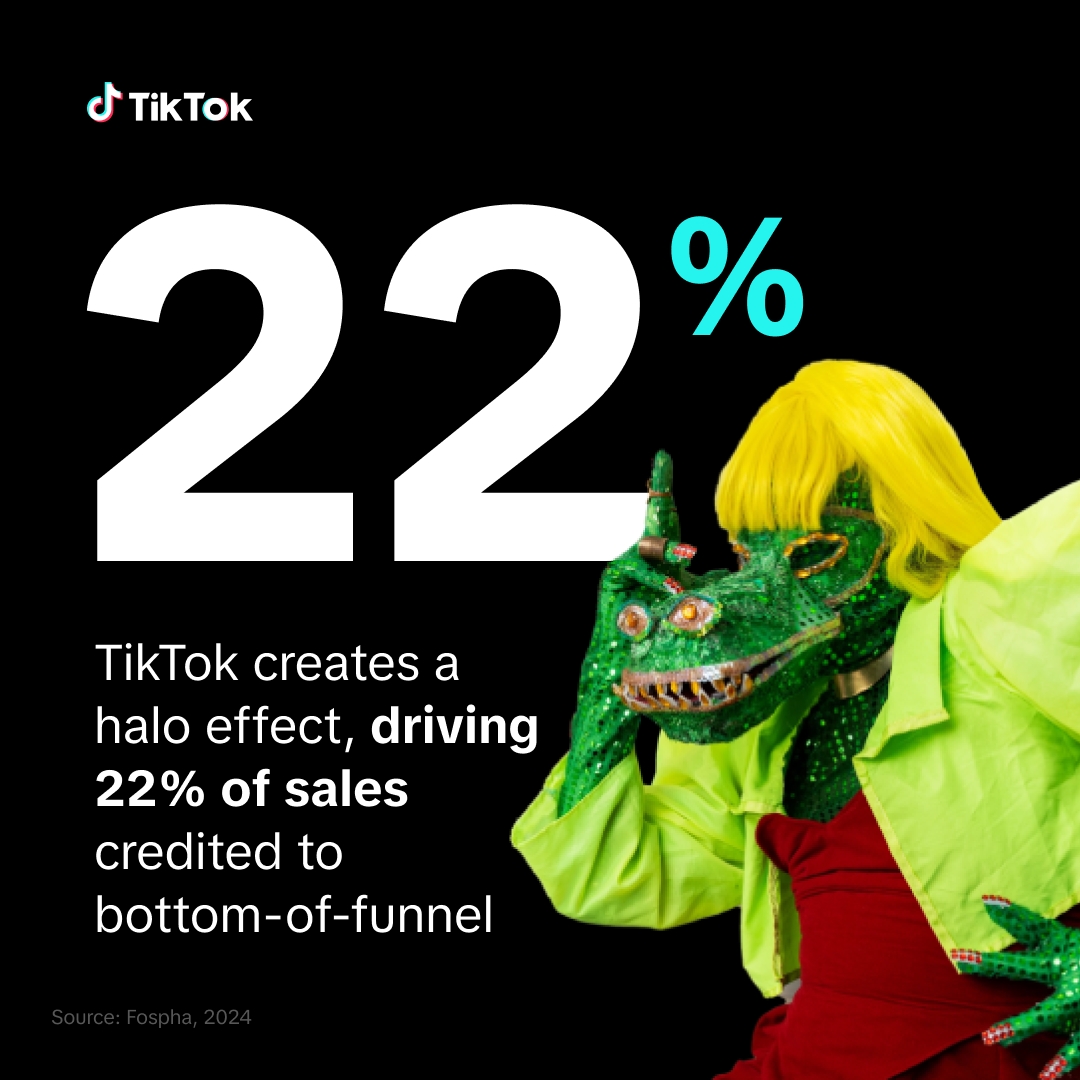
One of the key differences between TikTok and other social media platforms is its algorithm. Unlike Instagram or Facebook, which rely heavily on follower count and social connections, TikTok’s For You Page (FYP) is driven by user interest and content performance. This means that even brands with small followings can gain significant visibility if their content resonates with the audience.
To succeed on TikTok, it's essential to understand how the algorithm works. The platform prioritizes videos that keep users engaged, such as those with high watch time, shares, and comments. Therefore, your TikTok marketing strategy should focus on creating content that not only captures attention but also encourages interaction.
Define Clear Goals
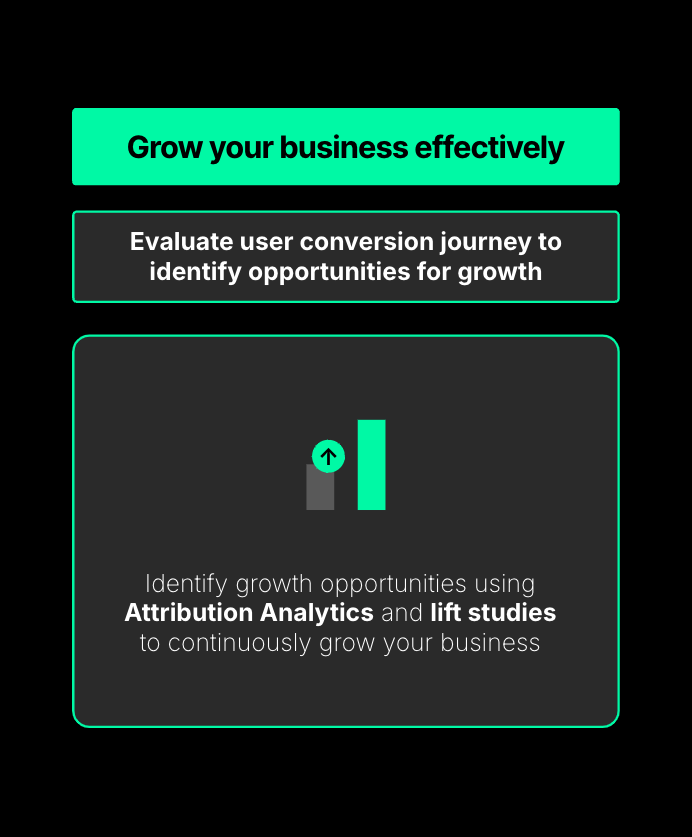
Before launching any TikTok campaign, it's crucial to define clear goals. Whether you're aiming to increase brand awareness, generate leads, or drive sales, having a specific objective will guide your content creation and measurement strategy.
Some common goals for TikTok campaigns include:
- Brand Awareness: Focus on increasing reach, watch time, and shares.
- Lead Generation: Drive traffic to landing pages, quizzes, or newsletters.
- Direct Sales: Highlight product proof through user-generated content (UGC), demos, and comparisons.
- App Installs: Showcase the problem your app solves and demonstrate its workflow.
By setting clear goals, you can tailor your content to meet specific outcomes and measure success more effectively.
Know Your Audience
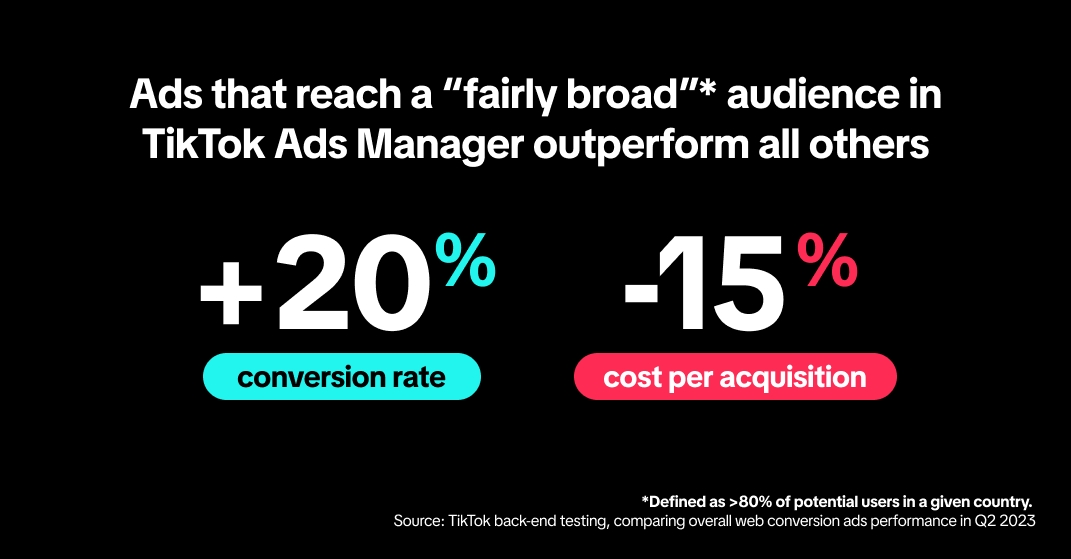
Understanding your target audience is critical to creating content that resonates with them. TikTok users are primarily Gen Z and Millennials, who are drawn to authentic, relatable, and entertaining content.
To identify your audience, consider the following:
- Behavioral Segmentation: Analyze what your audience searches for, saves, comments on, or buys.
- Interest Clusters: Identify topics your customers engage with beyond your niche (e.g., skincare enthusiasts might be interested in "acne solutions" or "budget routines").
- Trend Participation Patterns: Determine whether your audience prefers trending challenges, tutorials, or reviews.
By understanding your audience’s preferences, you can create content that aligns with their interests and increases engagement.
Create High-Performing Content

Content is king on TikTok, and the right approach can significantly impact your campaign’s success. Here are some best practices for creating content that drives engagement:
1. Use Hook-First Video Frameworks
The first few seconds of your video are crucial. A strong hook can stop users from scrolling and keep them watching. Consider using structures like: - Pattern Interrupt: Start with something unexpected (e.g., a bold visual or surprising statement). - Curiosity Gap: Make viewers feel they’ll miss something useful if they scroll. - Problem–Agitate–Solution: Call out a pain point, intensify it, then solve it.
2. Leverage User-Generated Content (UGC)
UGC is highly effective on TikTok because it feels authentic and relatable. Encourage customers to share their experiences with your products and feature their content in your campaigns. Partnering with micro-influencers and using affiliate partnerships can also help expand your reach.
3. Incorporate Trends
TikTok is all about trends, and incorporating them into your content can help you tap into existing audiences. However, ensure that the trend aligns with your brand’s message and audience.
Optimize for Search (TikTok SEO)
As TikTok continues to grow as a search platform, optimizing your content for search is essential. Here are some tips to improve your TikTok SEO:
- Keyword-Based Captions: Write captions that answer common questions and include relevant keywords naturally.
- On-Screen Text Optimization: Place your main keyword or question on screen to reinforce relevance.
- Voiceover Keywords: Say the keyword out loud in the first few seconds to signal relevance to the algorithm.
Creating a "TikTok search series" alongside your trend content can also help drive long-term visibility.
Track and Analyze Performance

Measuring the success of your TikTok campaigns is crucial for continuous improvement. Key metrics to track include:
- Engagement Metrics: Watch time, completion rate, shares, and comments.
- Conversion Metrics: Click-through rate (CTR), cost per acquisition (CPA), and return on ad spend (ROAS).
- Algorithm Signals: First 3-second retention, rewatches, and keyword relevance.
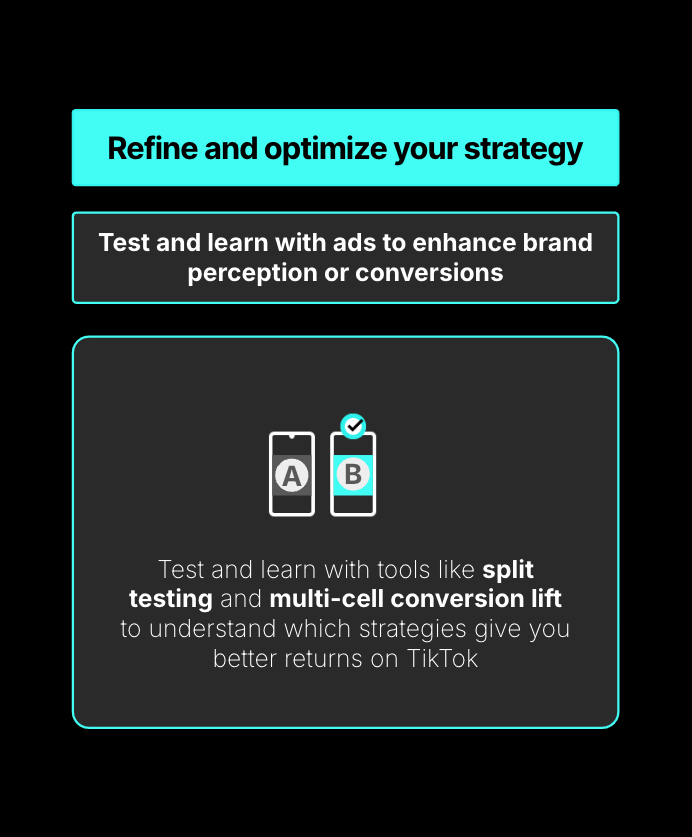
Use TikTok Analytics to monitor these metrics and adjust your strategy accordingly. A/B testing different elements of your content can also help you identify what works best.
Invest in Paid Advertising

While organic content can drive significant engagement, paid advertising can help scale your efforts. TikTok offers various ad formats, including in-feed ads, TopView ads, and Spark Ads. To maximize your ROI, focus on:
- Testing Creatives: Post multiple organic videos to test different hooks and angles before scaling with paid ads.
- Retargeting: Build audiences from video viewers and retarget them with testimonials, comparison videos, and limited-time offers.
- Budget Allocation: Start with a small budget and allocate funds strategically based on performance.
Conclusion

Optimizing TikTok campaign performance requires a combination of strategic planning, creative execution, and data-driven analysis. By understanding the TikTok algorithm, defining clear goals, creating high-performing content, and leveraging both organic and paid strategies, you can maximize engagement and ROI. As TikTok continues to evolve, staying adaptable and continuously testing new approaches will be key to long-term success.

Posting Komentar untuk "How to Optimize TikTok Campaign Performance for Maximum Engagement and ROI"
Posting Komentar