
How to Optimize Your TikTok Ad Spend: A Step-by-Step Tutorial
TikTok has emerged as one of the most powerful platforms for digital marketing, offering businesses a unique opportunity to connect with a massive and engaged audience. However, with the platform's rapid growth comes the challenge of optimizing ad spend effectively. Whether you're a small startup or a large enterprise, understanding how to manage and optimize your TikTok ad budget is crucial for maximizing returns on investment (ROI). This tutorial will guide you through the key steps to optimize your TikTok ad spend.
Step 1: Define Your Optimization Event
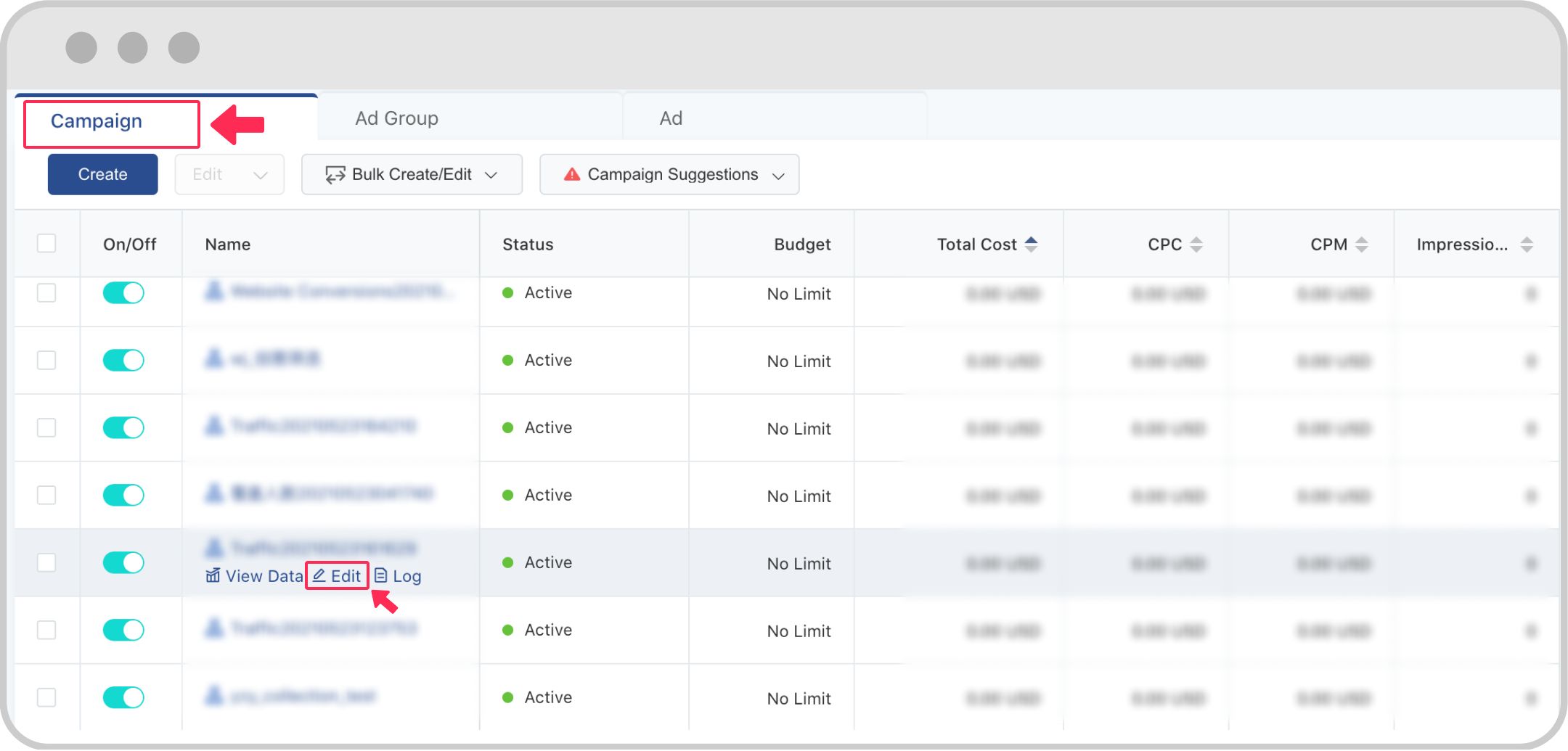
Before launching any TikTok ad campaign, it's essential to determine what you want users to do after seeing your ad. This action is known as the optimization event. Common optimization events include:
- App Installs: Ideal for businesses promoting mobile applications.
- Purchases: Suitable for e-commerce brands looking to drive sales.
- Video Views: Great for increasing brand awareness and engagement.
- Lead Generation: Useful for B2B companies aiming to capture potential customers.
For example, if you're selling a $100 product and aim for a cost per purchase (CPA) of around $30, you need to ensure your ad strategy aligns with this goal.
Step 2: Set Your Cost Per Purchase (CPA) Goal

Determining your CPA goal involves analyzing previous campaigns or using data from current ones. Here are two methods to help you set a realistic CPA:
- Previous Experience: Use data from other platforms or past campaigns to estimate an average CPA.
- Current Campaign Data: Analyze existing campaign performance to identify trends and set a target CPA.
By setting a clear CPA goal, you can better allocate your budget and measure the success of your ad campaigns.
Step 3: Aim for at Least 50 Events Per Week

One of the critical factors in optimizing your TikTok ad spend is achieving a minimum of 50 optimization events per week. This threshold helps the platform exit its learning phase, resulting in more stable and effective campaigns.
The "magic number" of 50 ensures that TikTok's algorithm has enough data to refine targeting and improve ad performance. If your campaign doesn't meet this threshold, consider adjusting your budget or refining your targeting strategy.
Step 4: Understand TikTok Advertising Costs

TikTok advertising costs vary based on several factors, including:
- Ad Objective: Different objectives (e.g., app installs, video views, conversions) have varying costs.
- Audience Segmentation: Targeting specific demographics may increase costs compared to broader audiences.
- Budget & Bid Amount: Higher budgets and bids typically lead to better ad visibility and performance.
- Click-Through Rate (CTR): A higher CTR can reduce your overall ad spend by improving ad relevance.
On average, advertisers on TikTok pay around $1.00 per click and a CPM (cost per thousand impressions) of $6.06. However, these figures can vary significantly depending on your campaign's specifics.
Step 5: Focus on High-Performing Creatives

Your ad creative plays a significant role in determining the success of your TikTok campaign. Here are some tips to create high-performing creatives:
- Keep It Authentic: Users prefer genuine content over overly polished ads.
- Use Trends: Leverage popular TikTok trends to increase engagement and reach.
- Test Multiple Versions: Experiment with different creatives to find what resonates with your audience.
- Maintain a CTR Above 1%: A higher CTR indicates that your ad is compelling and relevant to your target audience.
Step 6: Monitor and Adjust Your Campaigns

Regularly monitoring your TikTok ad campaigns allows you to make informed adjustments and optimize performance. Key metrics to track include:
- Impressions: The number of times your ad is displayed.
- Click-Through Rate (CTR): The percentage of users who click on your ad.
- Conversion Rate: The percentage of users who complete the desired action (e.g., purchase, sign-up).
- Cost Per Click (CPC): The cost incurred for each click on your ad.
By analyzing these metrics, you can identify underperforming elements and make necessary adjustments to improve ROI.
Conclusion
Optimizing your TikTok ad spend requires a strategic approach that combines clear objectives, data-driven decisions, and continuous improvement. By following the steps outlined in this tutorial, you can effectively manage your budget, enhance ad performance, and achieve your marketing goals on TikTok. Remember, the key to success lies in understanding your audience, leveraging trends, and creating authentic, engaging content that resonates with your target market.

Posting Komentar untuk "How to Optimize Your TikTok Ad Spend: A Step-by-Step Tutorial"
Posting Komentar