
Understanding Geo-Targeting Options in TikTok Ads: A Complete Guide
In the ever-evolving digital marketing landscape, TikTok has emerged as a powerful platform for businesses to reach their target audience. With over 1.9 billion registered users as of 2026, TikTok offers a unique opportunity for brands to connect with users through engaging content and targeted advertising. One of the most effective tools in this arsenal is geo-targeting, which allows advertisers to deliver their messages to specific geographic locations. This guide explores the various geo-targeting options available in TikTok ads, helping you understand how to leverage this feature to maximize your campaign's impact.

What is Geo-Targeting in TikTok Ads?
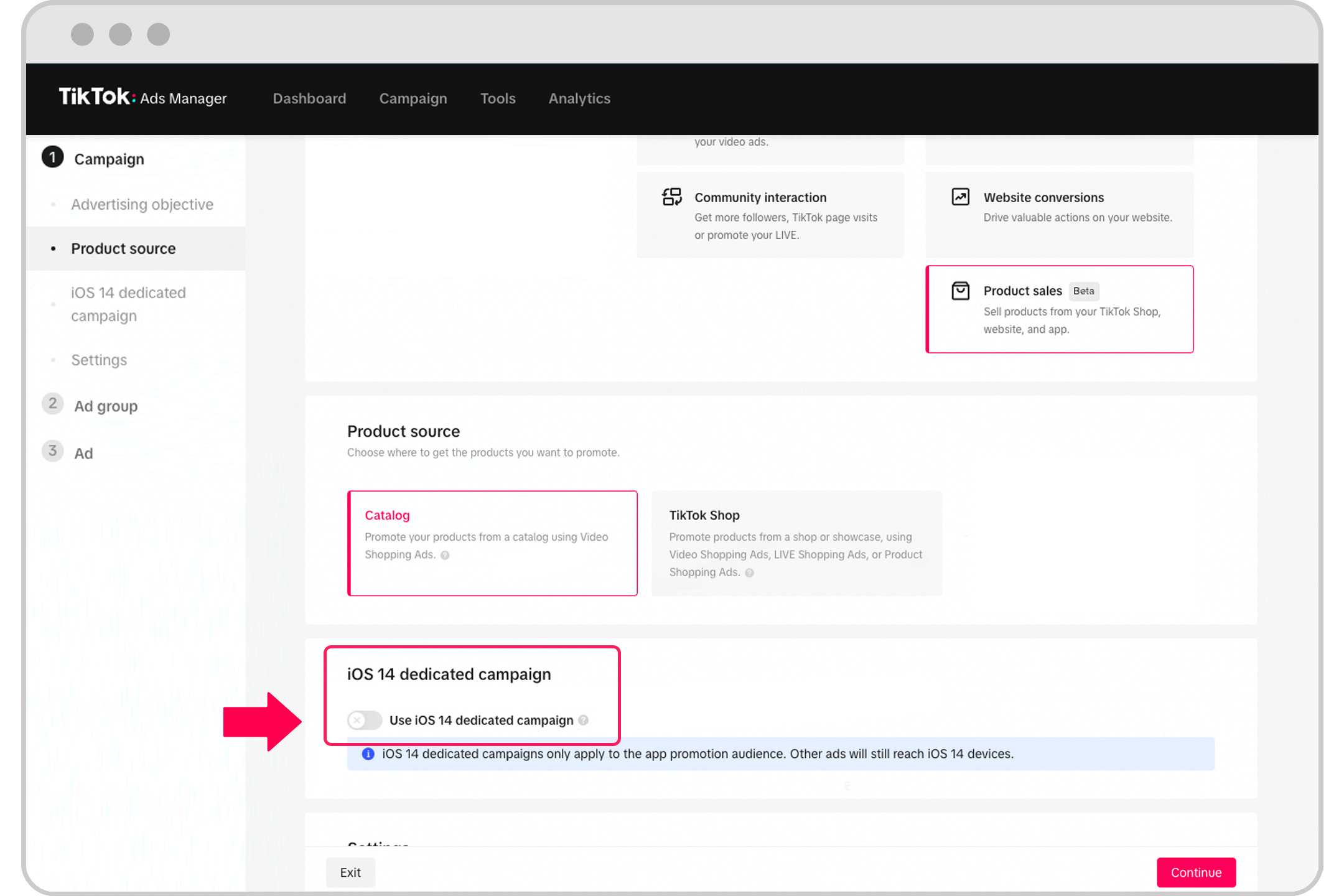
Geo-targeting refers to the practice of delivering advertisements to users based on their geographic location. TikTok provides several geo-targeting options that allow advertisers to tailor their campaigns to specific regions, cities, or even zip codes. This level of precision ensures that your ads are seen by the right audience, increasing the likelihood of engagement and conversion.
Types of Geo-Targeting Options in TikTok Ads
TikTok offers a range of geo-targeting options to suit different advertising needs. Here are some of the key options available:
1. Country-Level Targeting
This is the broadest form of geo-targeting, allowing advertisers to select specific countries where they want their ads to appear. For example, if you're targeting the United States, you can choose to show your ads only to users in the U.S., ensuring that your message reaches the intended audience.
2. City-Level Targeting
For more localized campaigns, TikTok allows advertisers to target specific cities. This option is ideal for businesses that operate in a particular area and want to focus their efforts on local audiences. By targeting a city, you can increase the relevance of your ads and improve the chances of driving foot traffic to physical locations.
3. Zip Code Targeting
Zip code targeting enables advertisers to reach users within a specific postal code. This level of granularity is particularly useful for businesses that want to target a very specific audience, such as a neighborhood or a small town. It allows for highly localized marketing efforts that can be more effective than broader targeting strategies.
4. Radius Targeting
Radius targeting lets advertisers set a specific radius around a location, such as a store or event. This option is beneficial for businesses that want to attract customers within a certain distance from their physical locations. For instance, a restaurant can target users within a 5-mile radius to promote its services to nearby residents.
5. Custom Location Targeting
TikTok also offers the ability to create custom location targets by specifying coordinates or using a map interface. This feature is ideal for businesses that have multiple locations or want to target a unique geographic area that isn't covered by standard targeting options.
Benefits of Using Geo-Targeting in TikTok Ads

Utilizing geo-targeting in TikTok ads offers several advantages that can significantly enhance the effectiveness of your marketing campaigns:
1. Increased Relevance
By targeting specific geographic areas, you ensure that your ads are relevant to the users who see them. This increases the likelihood of engagement and reduces the chances of your ads being ignored by users who aren't interested in your offerings.
2. Improved ROI
Geo-targeting allows you to allocate your advertising budget more effectively by focusing on areas where your target audience is most likely to be found. This can lead to a higher return on investment (ROI) as you avoid wasting resources on less relevant audiences.
3. Enhanced Local Engagement
For businesses with physical locations, geo-targeting can help drive local engagement by attracting nearby users. This can lead to increased foot traffic, customer loyalty, and brand awareness within the community.
4. Better Audience Insights
Geo-targeting provides valuable insights into the behavior and preferences of users in different regions. By analyzing the performance of your ads in various locations, you can gain a deeper understanding of what resonates with your audience and refine your strategies accordingly.
Best Practices for Using Geo-Targeting in TikTok Ads
To make the most of geo-targeting in TikTok ads, consider the following best practices:
1. Define Your Target Audience
Before setting up your geo-targeting strategy, clearly define your target audience. Consider factors such as age, gender, interests, and behaviors to ensure that your ads are tailored to the right people.
2. Test Different Locations
Experiment with different geographic locations to determine which ones yield the best results. A/B testing can help you identify the most effective targeting strategies and optimize your campaigns accordingly.
3. Use Local Language and Culture
When targeting specific regions, it's essential to use local language and cultural references in your ads. This can help build a stronger connection with your audience and increase the likelihood of engagement.
4. Monitor and Adjust
Regularly monitor the performance of your geo-targeted ads and make adjustments as needed. TikTok provides detailed analytics that can help you track the effectiveness of your campaigns and identify areas for improvement.
Conclusion
Geo-targeting is a powerful tool that can significantly enhance the effectiveness of your TikTok ad campaigns. By leveraging the various geo-targeting options available, you can ensure that your ads reach the right audience, increase engagement, and drive conversions. Whether you're targeting specific countries, cities, or zip codes, understanding and utilizing geo-targeting can help you achieve your marketing goals and stay ahead in the competitive digital landscape.
Posting Komentar untuk "Understanding Geo-Targeting Options in TikTok Ads: A Complete Guide"
Posting Komentar