
How to Analyze TikTok Ad Campaigns: Key Metrics and Strategies for 2024
TikTok has evolved from a platform for viral dances and short-form entertainment into a powerful marketing tool. With over a billion active users, it’s no surprise that brands are leveraging TikTok ad campaigns to reach new audiences, drive engagement, and boost sales. However, simply running ads on TikTok isn’t enough—you need to analyze your campaigns effectively to maximize their impact. In this article, we’ll explore the key metrics and strategies for analyzing TikTok ad campaigns in 2024.

Understanding TikTok Ad Campaigns

Before diving into analysis, it's essential to understand what a TikTok ad campaign entails. A TikTok ad campaign is a series of advertisements designed to promote a product, service, or brand on the platform. These campaigns can take various forms, including in-feed ads, TopView ads, Spark Ads, and more. The goal of these campaigns is to increase brand awareness, drive traffic, generate leads, or boost sales.
Key Metrics to Track

To effectively analyze your TikTok ad campaigns, you need to track several key metrics. These metrics will help you understand how well your campaigns are performing and where improvements can be made.
1. Reach
Reach measures the number of unique users who have seen your ad. This metric helps you understand the size of your potential audience and the effectiveness of your targeting strategy.
2. Impressions
Impressions count the total number of times your ad has been shown. This metric gives you an idea of how often your content is being seen and can help you gauge the effectiveness of your ad placement.
3. Engagement Rate
Engagement rate measures how well your audience interacts with your ad through likes, comments, shares, and clicks. A high engagement rate indicates that your content is resonating with your target audience.
4. Click-Through Rate (CTR)
CTR measures the percentage of users who click on your ad after seeing it. A high CTR indicates that your ad is compelling and effective at driving traffic to your website or landing page.
5. Conversion Rate
Conversion rate tracks the percentage of users who complete a desired action after clicking on your ad, such as making a purchase or signing up for a newsletter. This metric is crucial for understanding the ROI of your ad campaigns.
6. Cost Per Click (CPC)
CPC measures the cost of each click on your ad. This metric helps you understand the efficiency of your ad spend and whether your campaigns are cost-effective.
7. Return on Ad Spend (ROAS)
ROAS measures the revenue generated for every dollar spent on your ad campaign. This metric is essential for evaluating the overall profitability of your campaigns.
Strategies for Effective Analysis
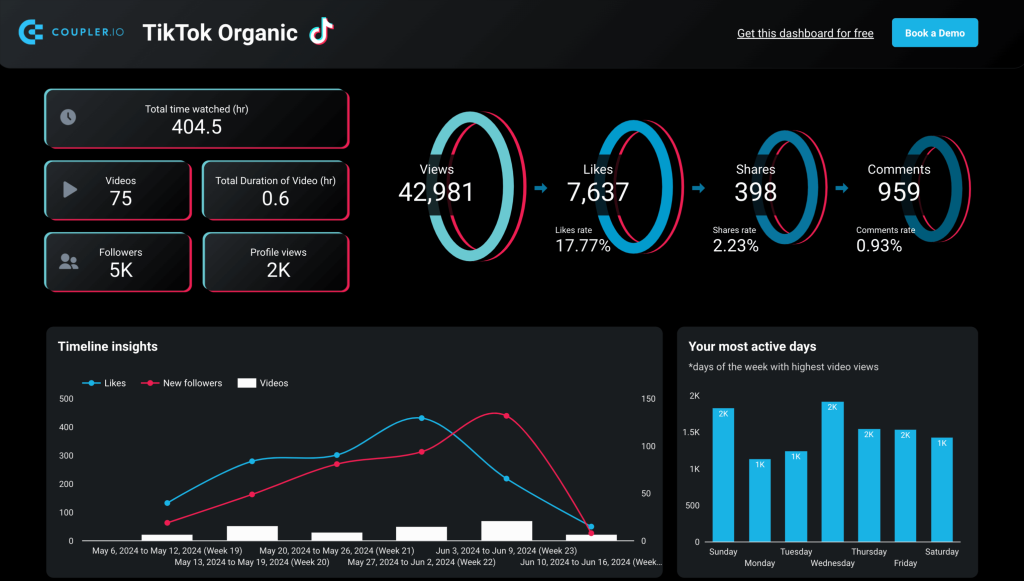
Once you have the right metrics in place, it's time to implement strategies that will help you analyze your TikTok ad campaigns effectively.
1. A/B Testing
A/B testing involves creating two versions of an ad and comparing their performance. This strategy allows you to determine which elements of your ad (such as visuals, copy, or call-to-action) are most effective at driving engagement and conversions.
2. Audience Segmentation
Segmenting your audience based on demographics, interests, and behaviors can help you tailor your ad campaigns to specific groups. This approach increases the relevance of your ads and improves their performance.
3. Content Optimization
Optimizing your ad content is crucial for capturing the attention of TikTok users. Focus on creating engaging, visually appealing content that aligns with current trends and resonates with your target audience.
4. Timing and Frequency
The timing and frequency of your ad campaigns can significantly impact their performance. Experiment with different posting schedules to determine when your audience is most active and engaged.
5. Leverage TikTok Analytics
TikTok provides built-in analytics tools that allow you to track the performance of your ad campaigns. Use these tools to gain insights into your audience behavior, ad performance, and overall campaign effectiveness.
Best Practices for Analyzing TikTok Ad Campaigns

In addition to tracking key metrics and implementing strategies, there are several best practices that can help you analyze your TikTok ad campaigns more effectively.
1. Set Clear Goals
Define clear objectives for your ad campaigns, such as increasing brand awareness, driving traffic, or boosting sales. Having clear goals will help you measure the success of your campaigns and make data-driven decisions.
2. Monitor Competitors
Analyzing your competitors' ad campaigns can provide valuable insights into what works and what doesn't. Use this information to refine your own strategies and stay ahead of the competition.
3. Use Third-Party Tools
Consider using third-party tools like Brand24 or other social listening platforms to gain deeper insights into your ad performance. These tools can help you track mentions, sentiment, and other important metrics that may not be available through TikTok's built-in analytics.
4. Stay Updated on Trends
TikTok is constantly evolving, and staying updated on the latest trends can help you create more relevant and engaging ad campaigns. Follow industry news, participate in challenges, and engage with your audience to stay informed.
5. Regularly Review and Adjust
Regularly review the performance of your ad campaigns and make adjustments as needed. This includes tweaking your targeting, optimizing your content, and refining your messaging to improve results.
Conclusion
Analyzing TikTok ad campaigns is essential for maximizing their impact and achieving your marketing goals. By tracking key metrics, implementing effective strategies, and following best practices, you can gain valuable insights into your campaigns and make data-driven decisions. As TikTok continues to grow as a marketing platform, staying informed and adaptable will be crucial for success in 2024 and beyond.

Posting Komentar untuk "How to Analyze TikTok Ad Campaigns: Key Metrics and Strategies for 2024"
Posting Komentar