
How to Analyze TikTok Ad Performance Metrics: A Complete Guide
TikTok has evolved from a platform for entertainment into a powerful tool for brand discovery, engagement, and sales. With its algorithm-driven For You Page (FYP) and growing social commerce features, understanding how to analyze TikTok ad performance metrics is essential for brands looking to maximize their ROI. Whether you're launching a new product or scaling an existing campaign, this guide will walk you through the key metrics, tools, and strategies for effectively analyzing your TikTok ad performance.

Why Analyzing TikTok Ad Metrics Matters

TikTok's unique algorithm prioritizes content that keeps users engaged, which means your ad performance isn’t just about views—it’s about how well your content resonates with your audience. By analyzing TikTok ad performance metrics, you can:
- Understand what content drives engagement
- Optimize ad spend for better returns
- Refine targeting strategies
- Improve future ad creatives
This data-driven approach ensures that your TikTok marketing strategy remains effective and adaptable in a fast-paced digital environment.
Key TikTok Ad Performance Metrics to Track
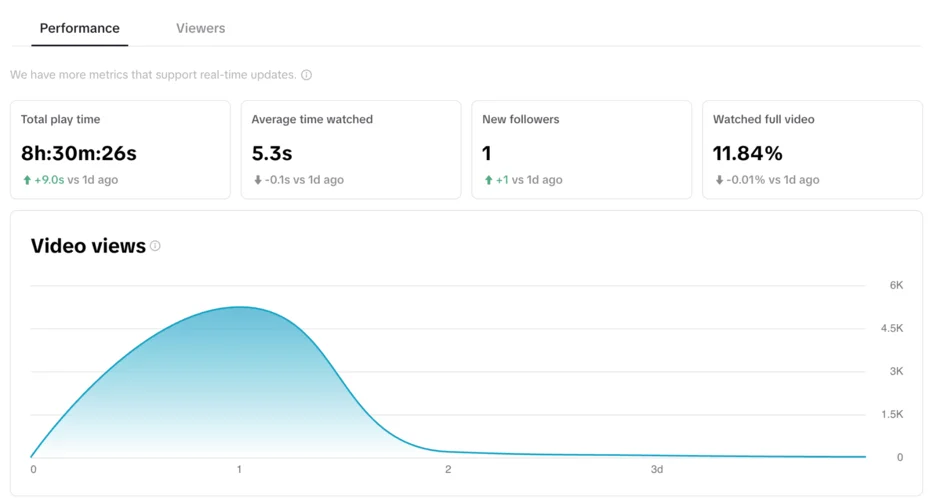
To get a clear picture of how your ads are performing, focus on these core metrics:
1. Click-Through Rate (CTR)
- Measures how many people clicked on your ad after seeing it.
- A high CTR indicates that your ad is compelling and relevant to your target audience.
- Benchmark: Aim for a CTR above 2% for most industries.
2. Cost Per Click (CPC)
- Shows how much you’re paying for each click on your ad.
- Lower CPC means more efficient ad spending.
- Compare CPC across different ad variations to identify cost-effective creatives.
3. Conversion Rate
- Tracks how many users completed a desired action (e.g., making a purchase, signing up for a newsletter).
- A strong conversion rate indicates that your ad is not only attracting attention but also driving meaningful outcomes.
4. Return on Ad Spend (ROAS)
- Calculates the revenue generated for every dollar spent on ads.
- Ideal for e-commerce brands, as it directly ties ad performance to sales.
5. Engagement Rate
- Includes likes, comments, shares, and saves.
- High engagement signals that your content is resonating with viewers and can help boost organic reach.
6. Watch Time and Completion Rate
- Measures how long users watch your video and whether they finish watching it.
- Longer watch time and higher completion rates indicate engaging, high-quality content.
7. Audience Retention
- Shows how well your ad retains viewers over time.
- Focus on the first few seconds—users often decide whether to watch or scroll away within the first 3–5 seconds.
Tools for Analyzing TikTok Ad Performance

While TikTok provides built-in analytics through its Ads Manager, third-party tools can offer deeper insights and more advanced reporting. Some popular options include:
- TikTok Ads Manager: The official tool for tracking basic ad performance metrics.
- Exolyt: Offers detailed insights into creator collaborations and ad performance.
- Hootsuite Insights: Helps track brand mentions, sentiment, and competitor activity.
- Google Analytics: Integrate with TikTok to track conversions and user behavior.
Using these tools together allows you to gain a comprehensive view of your ad performance and make data-driven decisions.
Best Practices for Analyzing TikTok Ad Performance

To ensure you’re getting the most out of your TikTok ad metrics, follow these best practices:
1. Test and Iterate
- Run A/B tests on different ad formats, headlines, and visuals to see what resonates with your audience.
- Use the "test one variable at a time" approach to isolate what impacts performance.
2. Monitor Trends
- Keep an eye on trending topics and adjust your ad content to align with current interests.
- Leverage TikTok trends to increase visibility and relevance.
3. Optimize for the First 3 Seconds
- The first few seconds of your ad determine whether users will watch or scroll away.
- Use strong hooks, bold visuals, and clear value propositions to grab attention immediately.
4. Track Long-Term Metrics
- While short-term metrics like CTR are important, don’t ignore long-term indicators like brand awareness and customer retention.
- Use TikTok SEO to ensure your content remains discoverable over time.
5. Leverage UGC and Creator Content
- User-generated content (UGC) and influencer partnerships often drive higher engagement and trust.
- Analyze how these types of content perform compared to traditional ads.
Common Pitfalls to Avoid

Even with the right metrics and tools, some common mistakes can hinder your TikTok ad performance:
- Overproducing Content: Polished, overly commercial videos may underperform compared to authentic, relatable content.
- Ignoring Trends: Failing to adapt to TikTok culture can limit your reach and relevance.
- Selling Too Aggressively: Users prefer value and entertainment before being pitched a product.
- Not Optimizing for Search: Ignoring TikTok SEO reduces long-term discoverability and engagement.
By avoiding these pitfalls and focusing on data-driven strategies, you’ll be well on your way to mastering TikTok ad performance analysis.
Final Thoughts
Analyzing TikTok ad performance metrics is a crucial part of any successful TikTok marketing strategy. By tracking the right KPIs, using the right tools, and following best practices, you can optimize your campaigns for maximum impact. Remember, the key to success on TikTok lies in clarity, consistency, and continuous testing. As the platform evolves, so should your approach to ad analytics. Stay agile, stay informed, and let data guide your next move.

Posting Komentar untuk "How to Analyze TikTok Ad Performance Metrics: A Complete Guide"
Posting Komentar