
How to Analyze TikTok Ad Performance Reports Like a Pro
TikTok has evolved from a platform for entertainment and trends into a powerful tool for brand discovery and commerce. For marketers, understanding how to analyze TikTok ad performance reports is essential for optimizing campaigns and achieving measurable results. Whether you're a seasoned marketer or just starting out, mastering the art of analyzing these reports can significantly boost your return on investment (ROI) and help you stay ahead in the competitive digital landscape.
Understanding TikTok Ad Performance Metrics
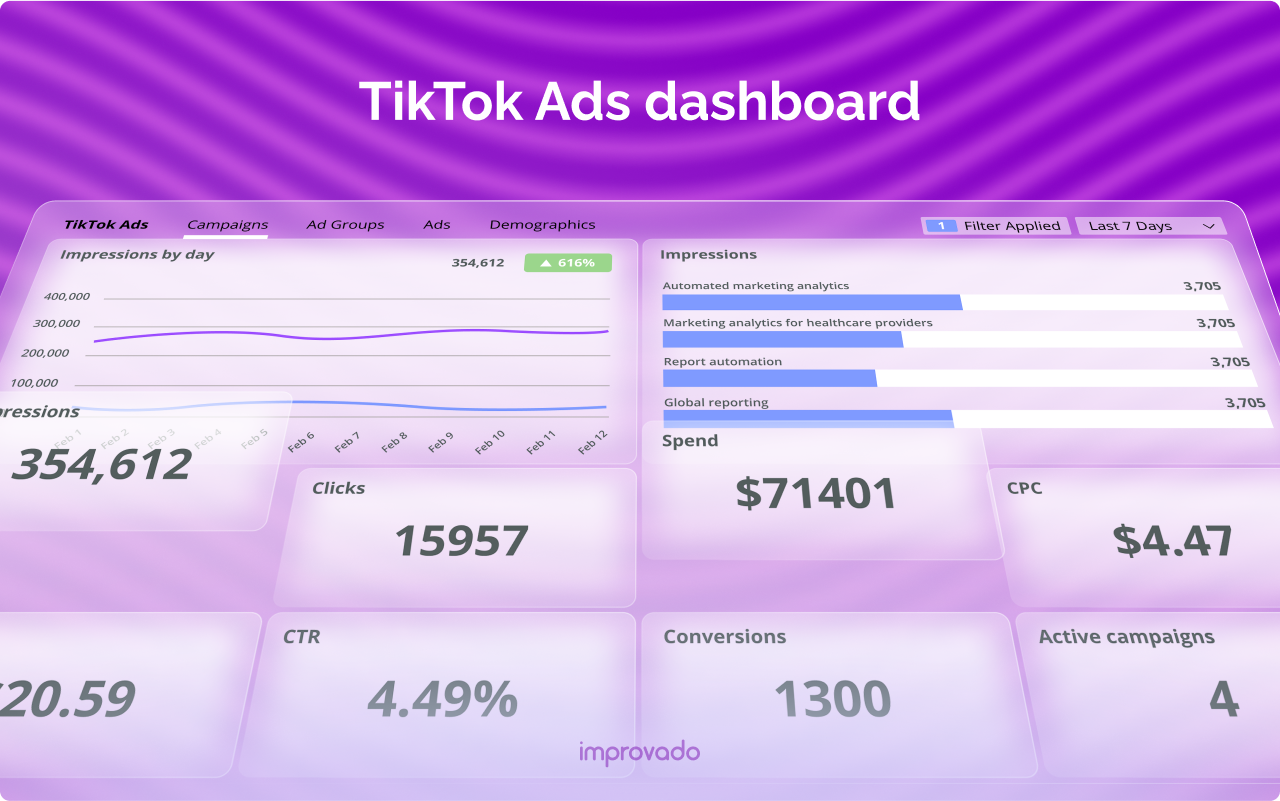
Before diving into analysis, it's crucial to understand the key metrics that define TikTok ad performance. These metrics provide insights into how well your ads are resonating with your target audience and whether they're driving the desired outcomes.
1. Impressions
Impressions measure how many times your ad was shown to users. This metric gives an idea of your ad's reach and visibility. However, it's important to note that impressions do not equate to engagement. A high number of impressions could mean your ad is being seen by a large audience, but if the engagement is low, it may indicate that your content isn't capturing attention effectively.
2. Click-Through Rate (CTR)
CTR measures the percentage of users who clicked on your ad after seeing it. A high CTR indicates that your ad is compelling and relevant to your audience. It's a strong indicator of how well your message is resonating with viewers. If your CTR is low, consider testing different headlines, visuals, or calls to action (CTAs).
3. Conversion Rate (CVR)
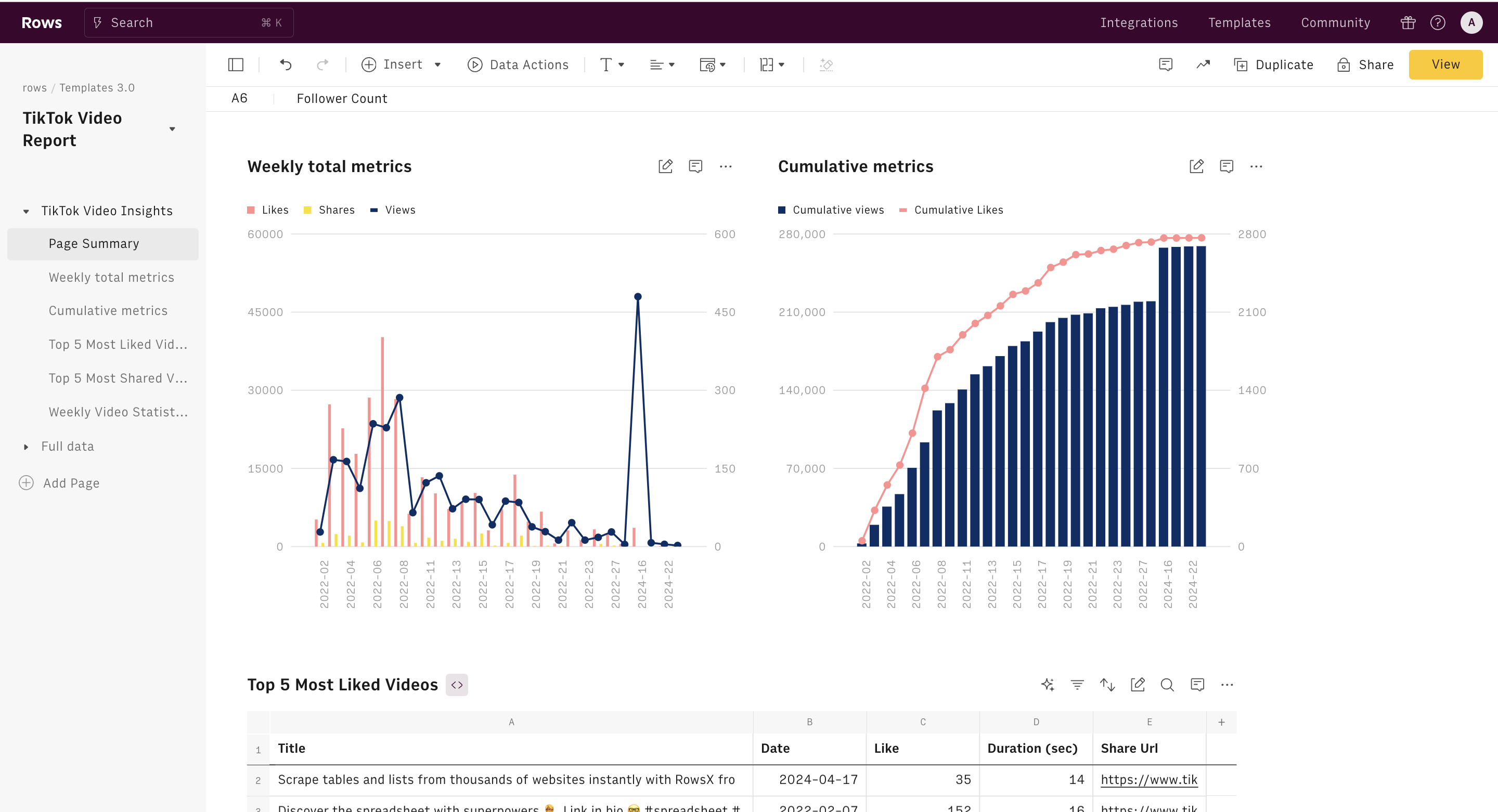
CVR tracks the percentage of users who completed a desired action after clicking on your ad, such as making a purchase, signing up for a newsletter, or downloading an app. This metric is critical for assessing the effectiveness of your ad in driving actual business outcomes. A low CVR may suggest that your landing page or offer needs improvement.
4. Cost Per Click (CPC)
CPC measures how much you pay for each click on your ad. This metric helps you evaluate the efficiency of your ad spend. Lower CPCs are generally better, but it's also important to consider the quality of traffic and the resulting conversions.
5. Cost Per Conversion (CPA)

CPA calculates the average cost you incur for each conversion. This metric is particularly useful for evaluating the profitability of your ad campaigns. A lower CPA indicates that your ad is more effective at converting users into customers.
6. Return on Ad Spend (ROAS)
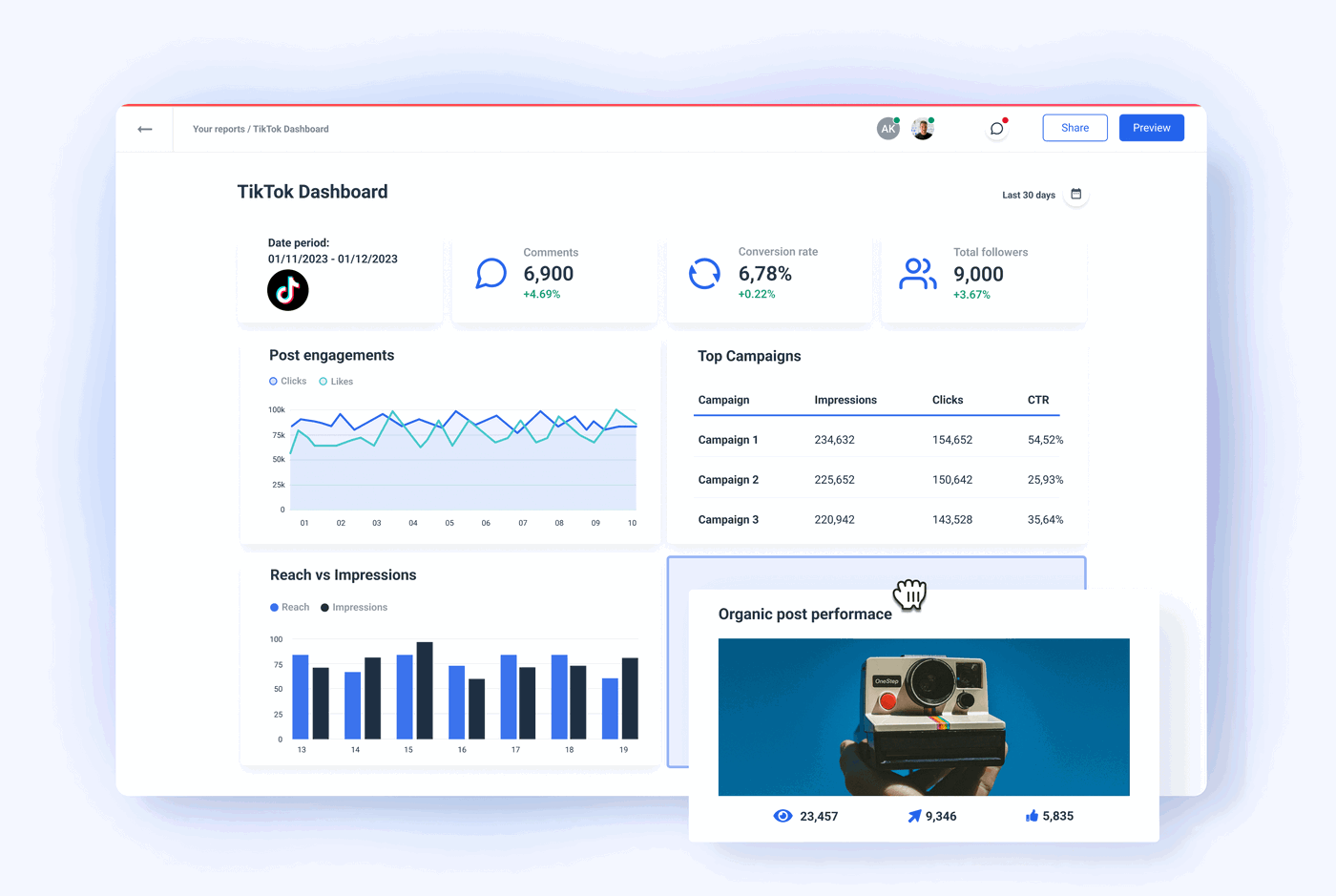
ROAS measures the revenue generated for every dollar spent on advertising. It's a key performance indicator that helps you assess the overall success of your campaigns. A ROAS of 3:1 or higher is typically considered good, indicating that your ad spend is generating significant returns.
Key Strategies for Analyzing TikTok Ad Performance Reports
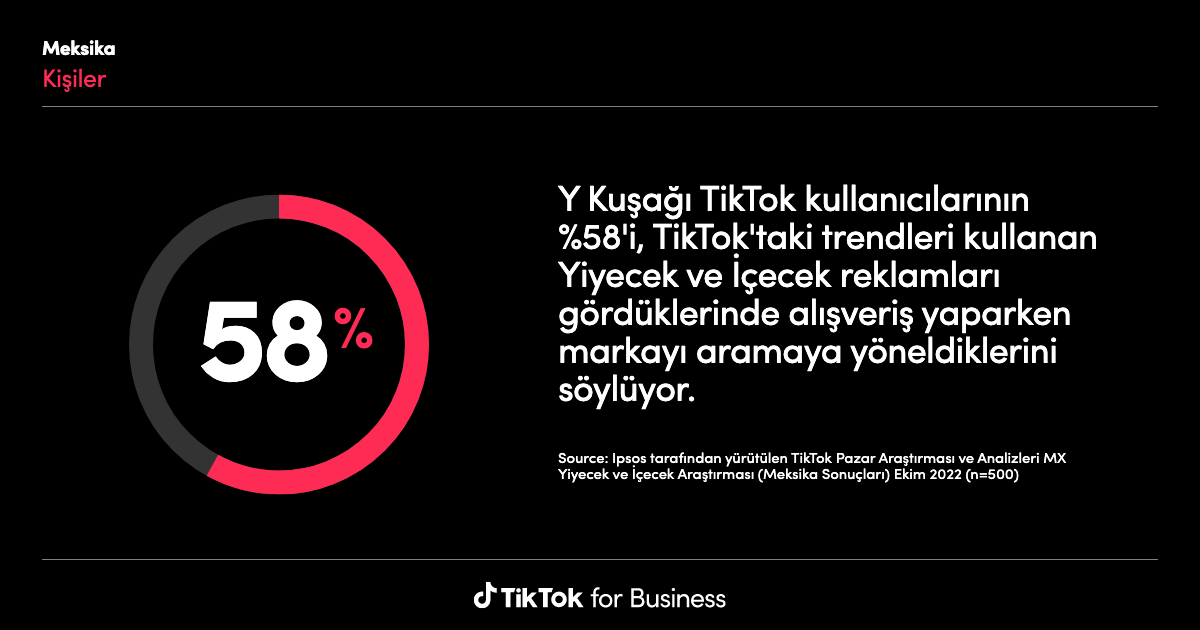
Once you have a clear understanding of the metrics, it's time to apply strategies to analyze and optimize your TikTok ad performance reports effectively.
1. Segment Your Data
Break down your data by campaign, ad group, or creative to identify what's working and what's not. This allows you to focus on high-performing elements and make informed decisions about where to allocate your budget.
2. Track Trends Over Time
Monitor changes in your metrics over time to spot patterns and trends. This can help you understand how different factors, such as seasonal changes or new content, impact your ad performance.
3. Compare with Industry Benchmarks
Use industry benchmarks to gauge how your performance compares to others in your niche. This can provide valuable insights into areas where you might need to improve.
4. Conduct A/B Testing
Test different versions of your ads to see which ones perform best. This includes varying headlines, visuals, CTAs, and targeting options. A/B testing helps you refine your strategy and maximize your ROI.
5. Leverage TikTok’s Algorithm Insights
TikTok's algorithm prioritizes content that keeps users engaged. Use insights from the platform to understand what types of content are likely to be promoted and adjust your strategy accordingly.
Tools for Analyzing TikTok Ad Performance
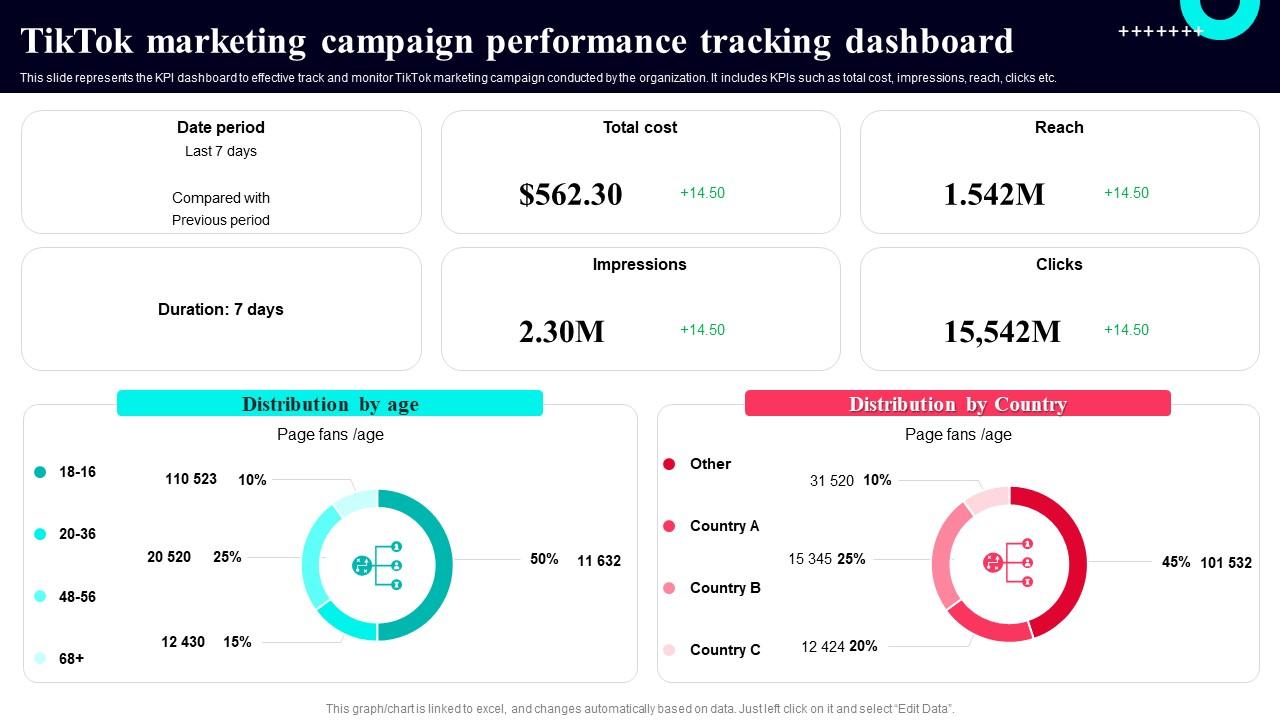
Several tools can help you analyze TikTok ad performance reports more efficiently:
1. TikTok Ads Manager
TikTok's built-in analytics tool provides detailed insights into your ad performance. It includes metrics such as impressions, clicks, conversions, and ROAS, allowing you to track your progress in real-time.
2. Third-Party Analytics Platforms
Tools like Google Analytics, Facebook Ads Manager, and specialized platforms like Swydo offer advanced reporting features that can help you gain deeper insights into your TikTok ad performance. These tools often allow for cross-platform comparisons and custom reporting.
3. Data Visualization Tools
Using data visualization tools like Tableau or Power BI can help you create interactive dashboards that make it easier to interpret complex data. These tools allow you to present your findings in a clear and visually appealing way.
Best Practices for Optimizing TikTok Ad Performance

To get the most out of your TikTok ad campaigns, consider the following best practices:
1. Create Engaging Content
Focus on creating content that captures attention from the first second. Use hooks, storytelling, and relatable scenarios to engage your audience and encourage them to interact with your ads.
2. Optimize for Mobile
Since most TikTok users access the platform via mobile devices, ensure your ads are optimized for mobile viewing. This includes using vertical video formats and ensuring fast load times.
3. Target the Right Audience
Use TikTok's targeting options to reach the right audience based on demographics, interests, and behaviors. This increases the likelihood of your ads resonating with your target market.
4. Monitor and Adjust Frequently
Regularly monitor your ad performance and make adjustments as needed. This includes tweaking your targeting, adjusting your budget, and refining your creative content.
Conclusion
Analyzing TikTok ad performance reports is a critical step in maximizing the effectiveness of your marketing efforts. By understanding the key metrics, applying strategic insights, and leveraging the right tools, you can optimize your campaigns for better results. Whether you're aiming to increase brand awareness, drive sales, or build a loyal community, a data-driven approach will help you achieve your goals on TikTok. Stay proactive, keep testing, and always focus on delivering value to your audience.

Posting Komentar untuk "How to Analyze TikTok Ad Performance Reports Like a Pro"
Posting Komentar