
How to Analyze TikTok Ads Data: A Comprehensive Guide for Marketers
In today’s digital marketing landscape, TikTok has emerged as a powerful platform for reaching a vast and engaged audience. With its unique blend of short-form video content and algorithm-driven discovery, TikTok offers brands an opportunity to connect with users in innovative ways. However, the true value of TikTok Ads lies not just in the exposure it provides but in the data it generates. Analyzing TikTok Ads data is essential for understanding campaign performance, optimizing ad spend, and achieving measurable results. This guide will walk you through the key metrics, tools, and strategies for effectively analyzing TikTok Ads data.
Understanding Key TikTok Ads Metrics

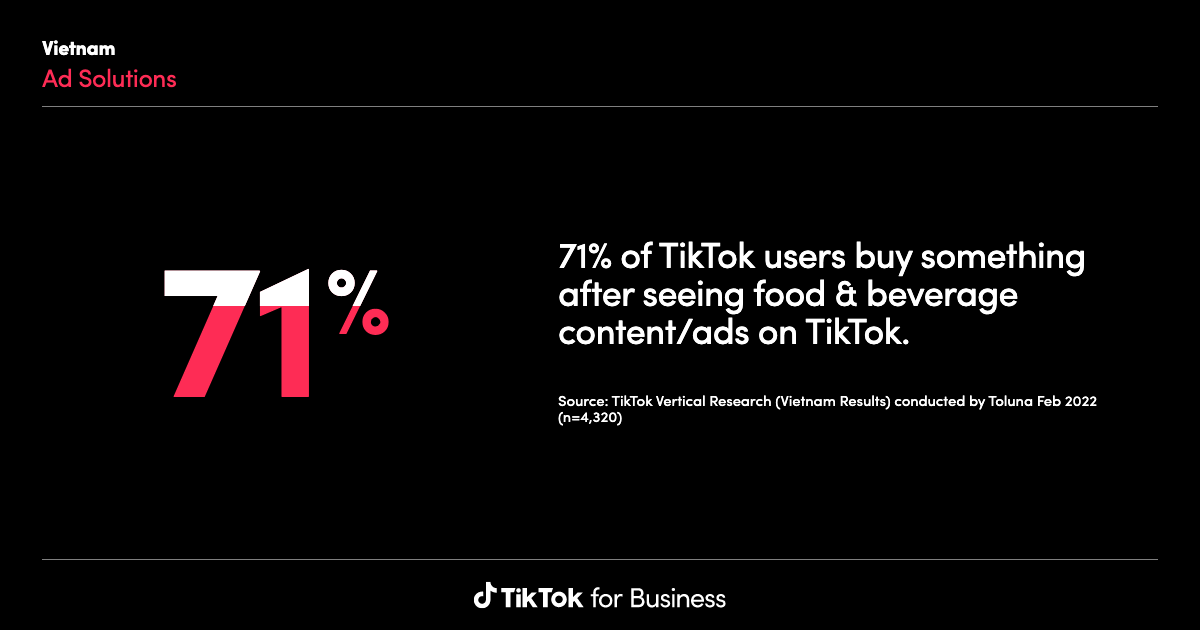
To begin analyzing TikTok Ads data, it's crucial to understand the most important metrics that reflect your campaign's performance. These metrics provide insights into how your ads are being seen, clicked on, and ultimately converting. Here are the top 10 TikTok Ads metrics you should track:
1. Impressions
Impressions measure how many times your ad was shown to TikTok users. This metric gives you an idea of your ad's reach and frequency. It's important to note that impressions do not represent unique users; a single user may see your ad multiple times.
2. Clicks (Destination)

Clicks (Destination) indicate the number of times users clicked on your ad and were redirected to a specific destination, such as a website or app. This metric helps you gauge the effectiveness of your call-to-action and the engagement level of your audience.
3. Click-Through Rate (CTR)
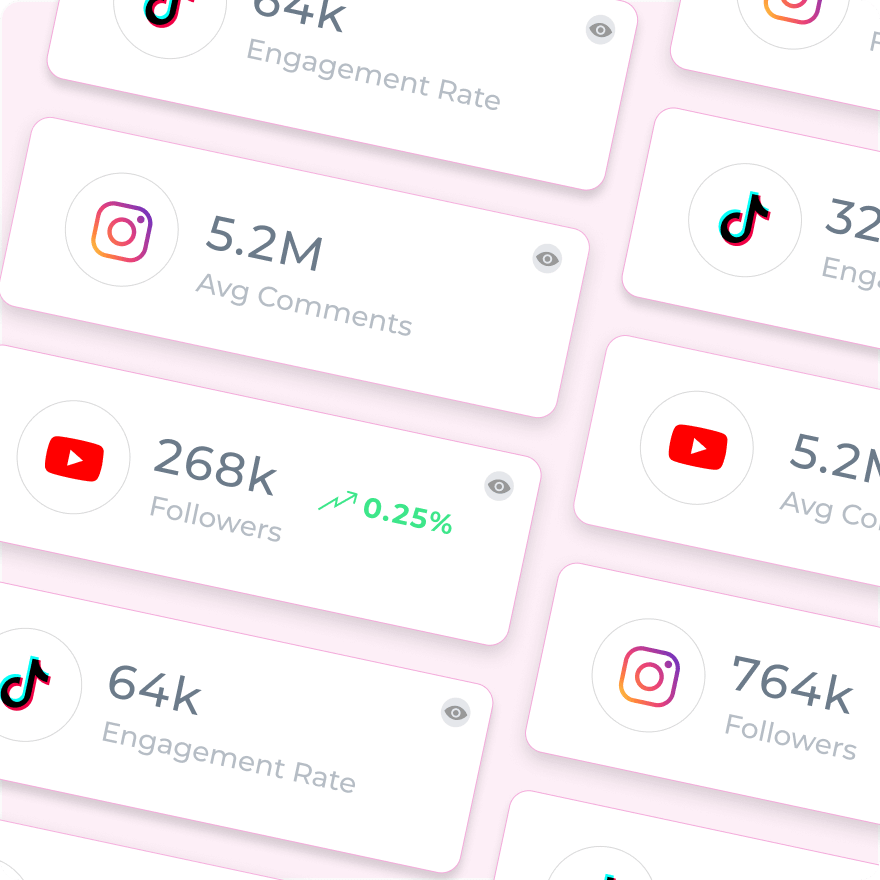
CTR measures the percentage of users who clicked on your ad after seeing it. A higher CTR indicates that your ad is resonating well with your target audience. The average CTR for TikTok Ads is around 0.84%, but this can vary depending on your niche and the type of content you're promoting.
4. Conversion Rate (CVR)
CVR measures the percentage of users who clicked on your ad and completed a desired action, such as making a purchase or signing up for a newsletter. This metric is crucial for assessing the effectiveness of your ad in driving conversions.
5. Cost per Click (CPC)
CPC measures the amount you pay for each click on your ad. It's an important metric for evaluating the efficiency of your ad spend. The average CPC for TikTok Ads ranges from $0.25 to $4, depending on your bid strategy and competition.
6. Cost per View (CPV)
CPV measures the average cost you pay when a user views your video. This metric is particularly relevant for video-based campaigns and helps you understand the cost-effectiveness of your visual content.
7. Cost per Action (CPA)

CPA measures the average cost you pay for a specific action taken by a user after viewing your ad. This could include purchases, sign-ups, or other conversion events. CPA is a critical metric for assessing the return on investment (ROI) of your ad campaigns.
8. Cost per 1000 Impressions (CPM)

CPM measures the cost you pay for displaying your ad to 1000 users. This metric is useful for comparing the cost-effectiveness of different ad formats and targeting strategies.
9. Ad Spend

Ad spend refers to the total cost of your TikTok Ads campaigns. Monitoring your ad spend helps you stay within budget and allocate resources effectively across different campaigns.
10. Return on Ad Spend (ROAS)
ROAS measures the revenue generated from your TikTok Ads compared to the total ad spend. A ROAS of 3:1 or higher is considered good, indicating that your ad campaigns are generating significant returns.
Tools for Analyzing TikTok Ads Data
To effectively analyze TikTok Ads data, you'll need the right tools. While TikTok Ads Manager provides basic analytics, third-party tools like Coupler.io and Looker Studio offer more advanced reporting capabilities. These tools allow you to track multiple metrics, compare performance across platforms, and gain deeper insights into your campaigns.
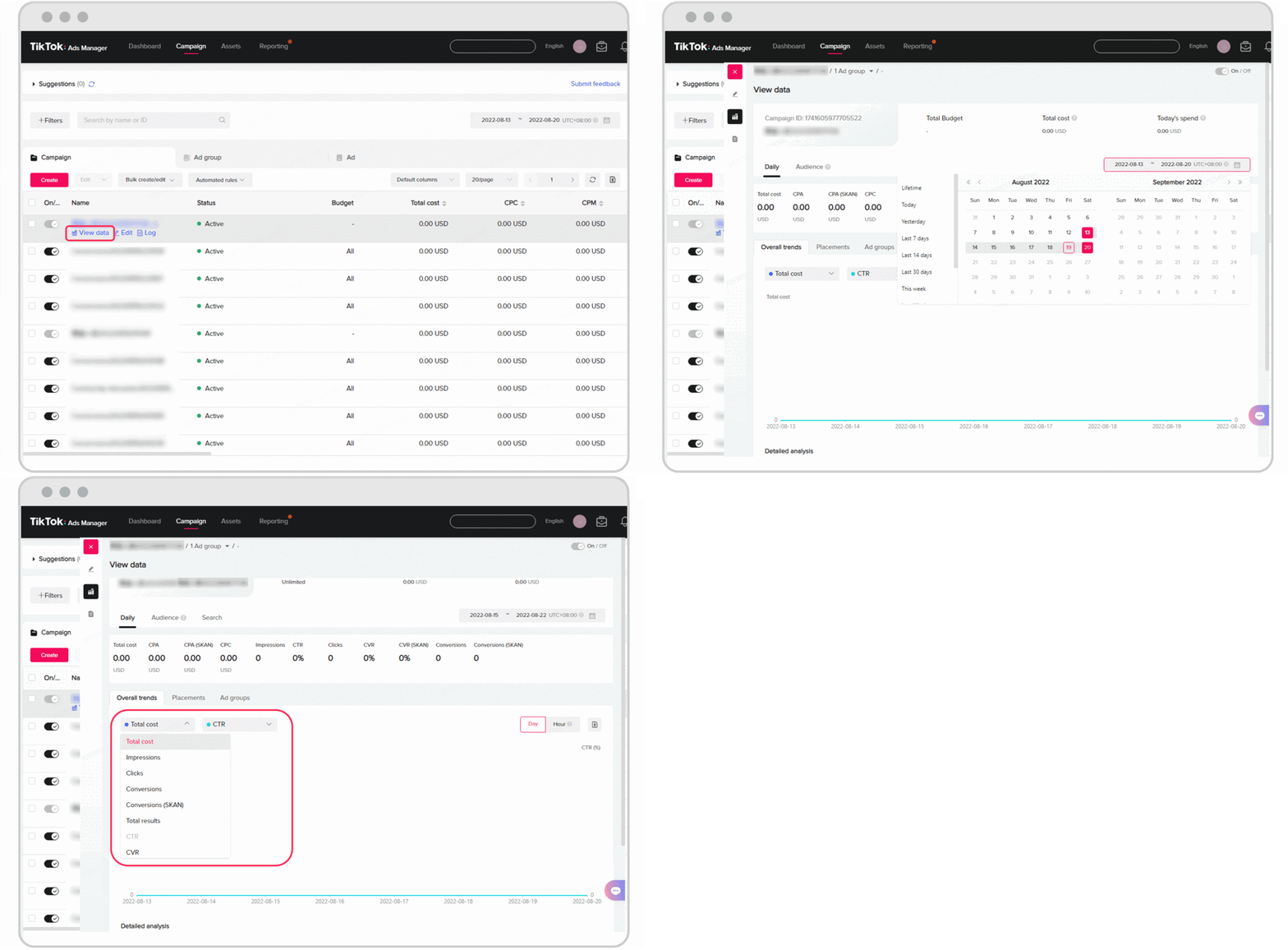
1. TikTok Ads Manager
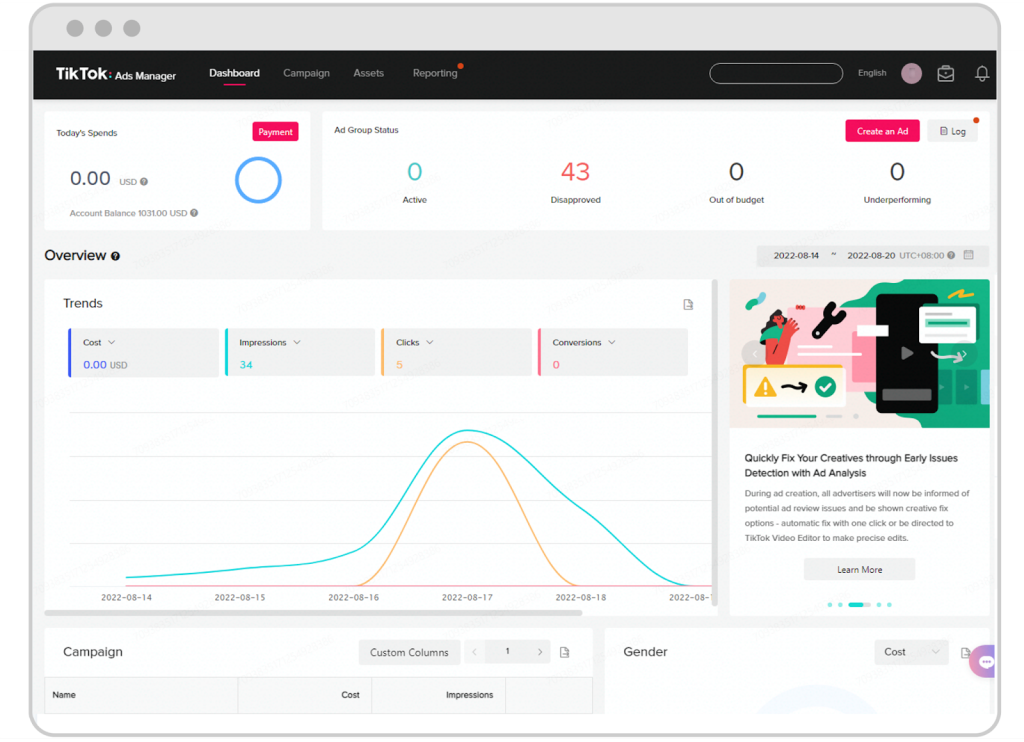
TikTok Ads Manager is the primary tool for tracking your ad performance. It provides access to key metrics such as impressions, clicks, CTR, and ROAS. You can customize your dashboard to focus on the metrics that matter most to your goals.
2. Coupler.io
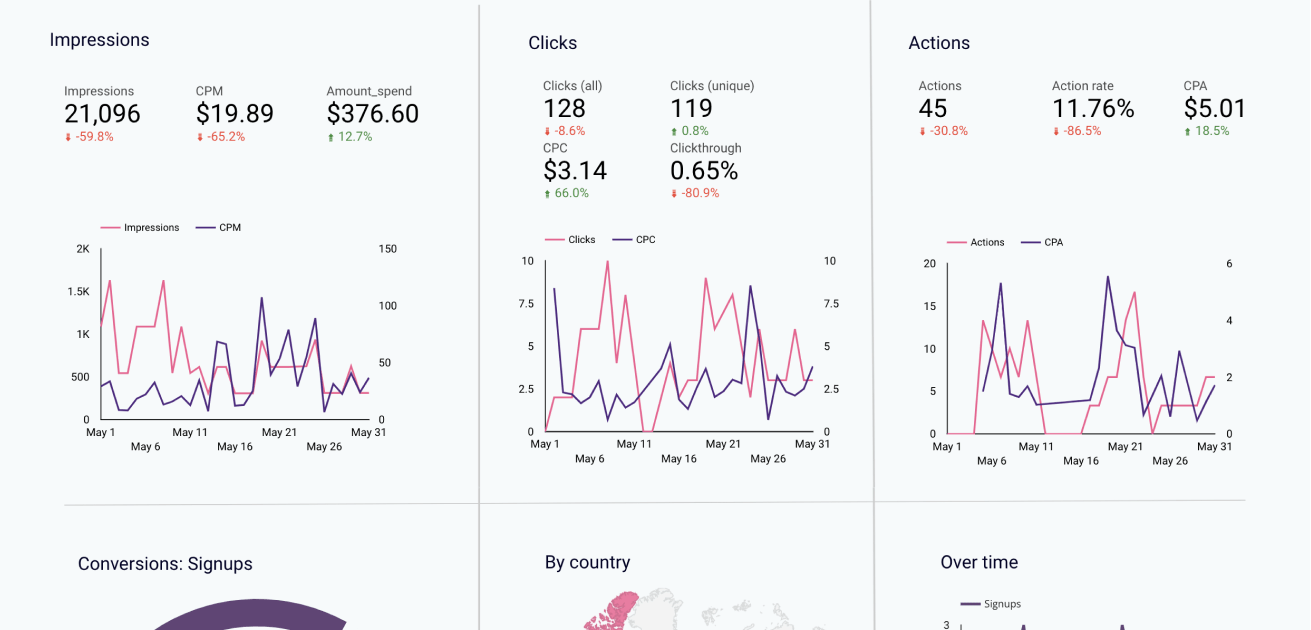
Coupler.io is a powerful tool for integrating TikTok Ads data with other platforms like Google Sheets, Looker Studio, Power BI, and Tableau. It allows you to create custom reports, automate data refreshes, and gain real-time insights into your campaigns.
3. Looker Studio
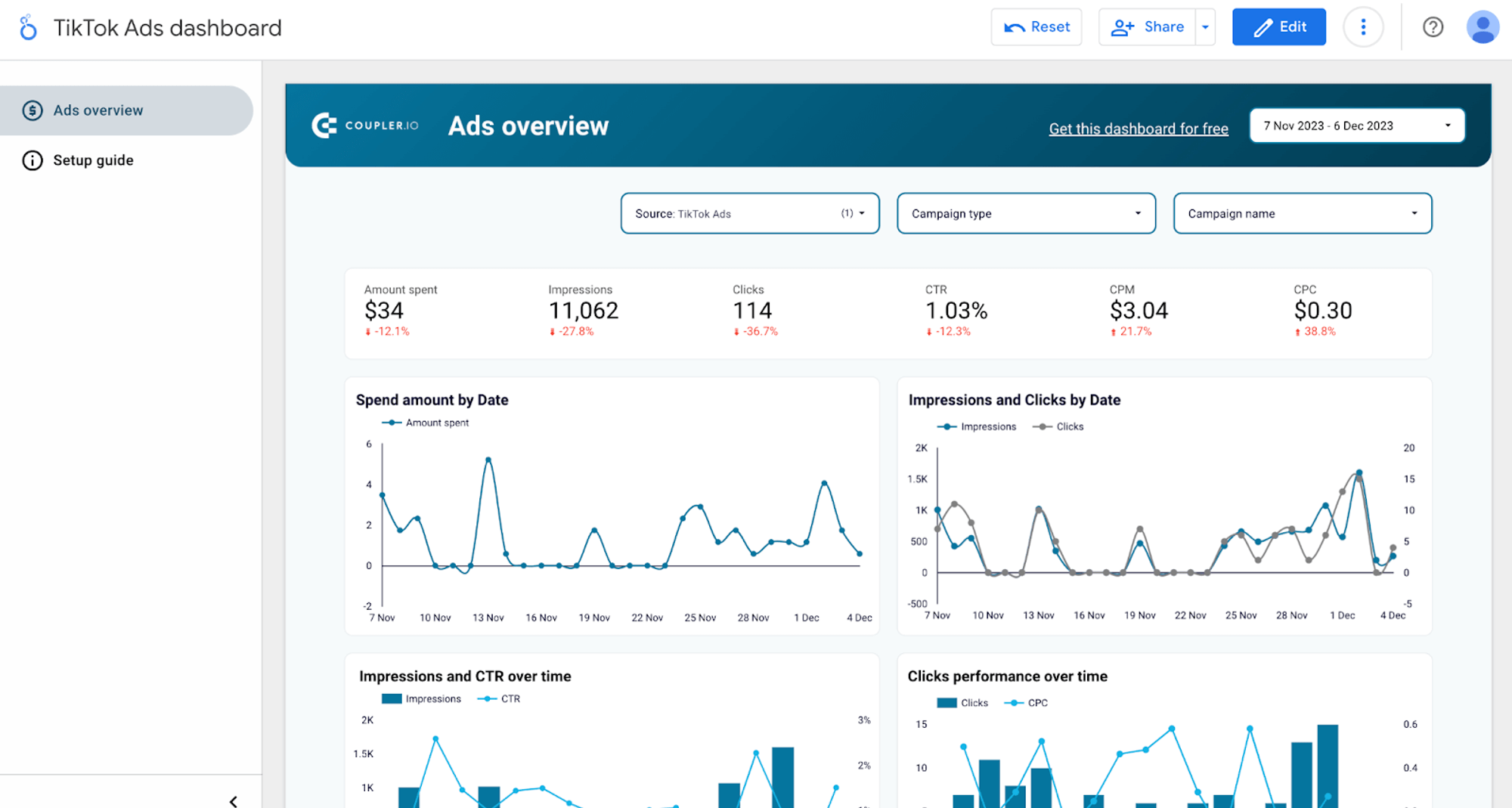
Looker Studio (formerly Google Data Studio) is another excellent tool for creating visual dashboards to track your TikTok Ads performance. It allows you to combine data from multiple sources and present it in an easy-to-understand format.
Best Practices for Analyzing TikTok Ads Data

To get the most out of your TikTok Ads data, follow these best practices:
1. Set Clear Goals
Before launching your campaigns, define clear objectives such as brand awareness, lead generation, or sales. This will help you choose the right metrics to track and measure success.
2. Monitor Key Metrics Regularly
Regularly review your key metrics to identify trends and areas for improvement. Use this data to make informed decisions about your ad strategy.
3. Test and Optimize
Experiment with different ad formats, targeting options, and creatives to find what works best for your audience. Use A/B testing to compare the performance of different variations.
4. Compare Across Platforms
Use tools like the PPC Multi-Channel Dashboard to compare your TikTok Ads performance with other platforms like Facebook and Google Ads. This will help you allocate your budget more effectively.
5. Focus on ROI
Ultimately, the goal of your TikTok Ads campaigns is to generate a positive return on investment. Track your ROAS and use this metric to guide your optimization efforts.
Conclusion
Analyzing TikTok Ads data is essential for maximizing the effectiveness of your marketing efforts on the platform. By understanding key metrics, using the right tools, and following best practices, you can gain valuable insights into your campaigns and make data-driven decisions to improve performance. Whether you're a seasoned marketer or just starting out, mastering the art of analyzing TikTok Ads data will help you achieve your business goals and stay ahead of the competition.

Posting Komentar untuk "How to Analyze TikTok Ads Data: A Comprehensive Guide for Marketers"
Posting Komentar