
How to Create an Effective TikTok Ad Budget Plan in 2024
TikTok has become one of the most powerful platforms for digital marketing, with over a billion monthly active users. Its unique blend of entertainment and engagement makes it an ideal space for brands to connect with their target audience. However, creating an effective TikTok ad budget plan requires careful planning and strategic thinking. In this article, we’ll walk you through the key steps to develop a successful TikTok ad budget plan in 2024.

Understanding TikTok Ad Costs
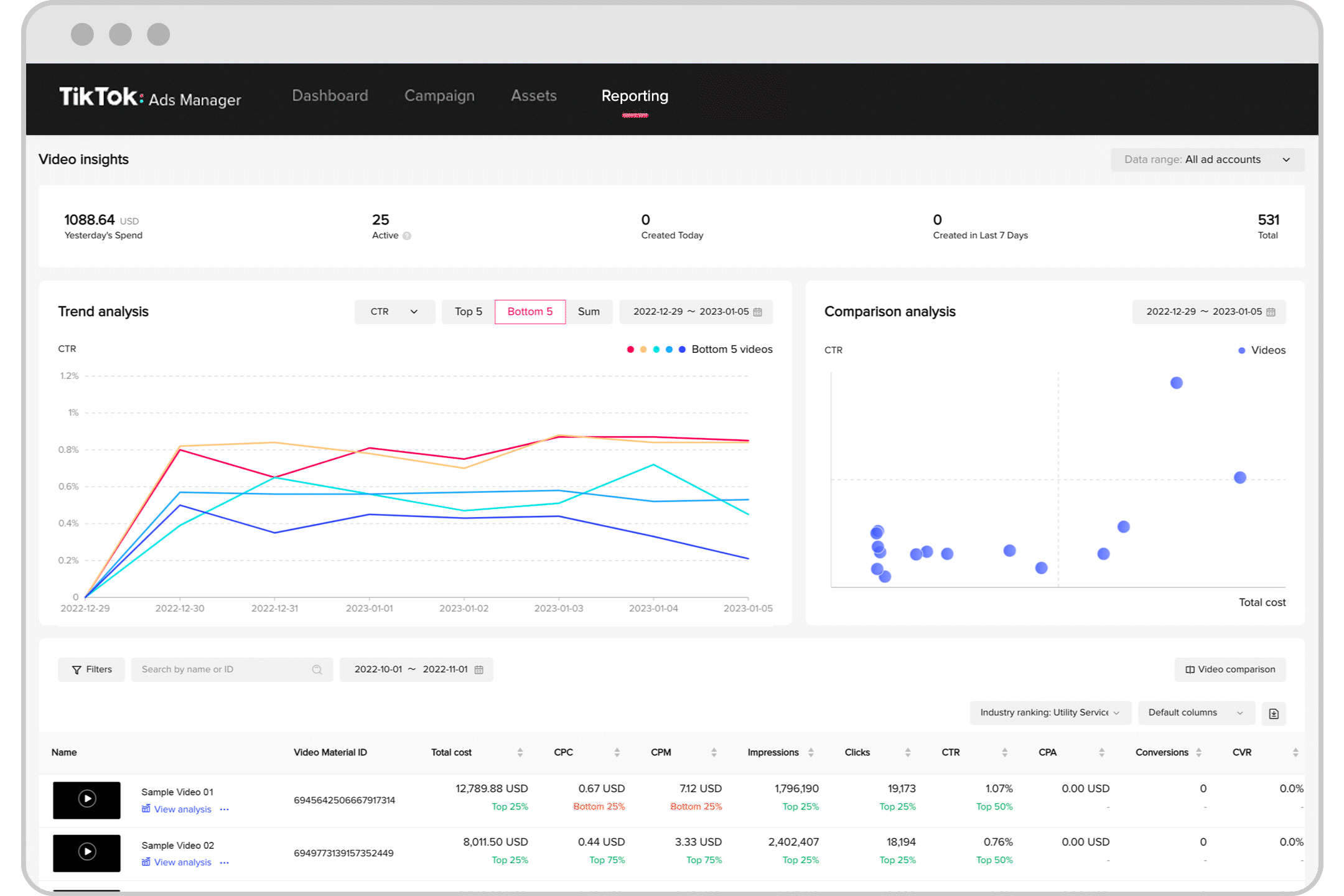
Before diving into your budget plan, it's essential to understand how TikTok ads are priced. The platform offers various ad formats, each with different cost structures. Here are some of the most common ad types and their estimated costs:
- In-Feed Ads: These are the most affordable option, typically costing between $0.10 and $0.30 per click.
- TopView Ads: These high-visibility ads start at $50,000 per day.
- Brand Takeover Ads: These ads appear on the home screen and can cost up to $50,000 per day.
- Branded Hashtag Challenges: These can range from $80,000 to $150,000 for a week.
- Branded Lenses: These interactive filters start at $80,000 per day.
Understanding these costs will help you allocate your budget effectively based on your campaign goals and target audience.
Setting Your Minimum Budget
TikTok has minimum budget requirements to ensure that your ads run smoothly. Here are the key figures to keep in mind:
- Campaign Level: A minimum of $500 is required for a full campaign.
- Daily Budget: At least $50 per day for a campaign, or $20 per day for an ad group.
These minimums are designed to ensure that your ads have enough reach and visibility to make an impact. It's important to note that while these are the minimums, you can always increase your budget as your campaign progresses.
Factors Influencing TikTok Ad Costs
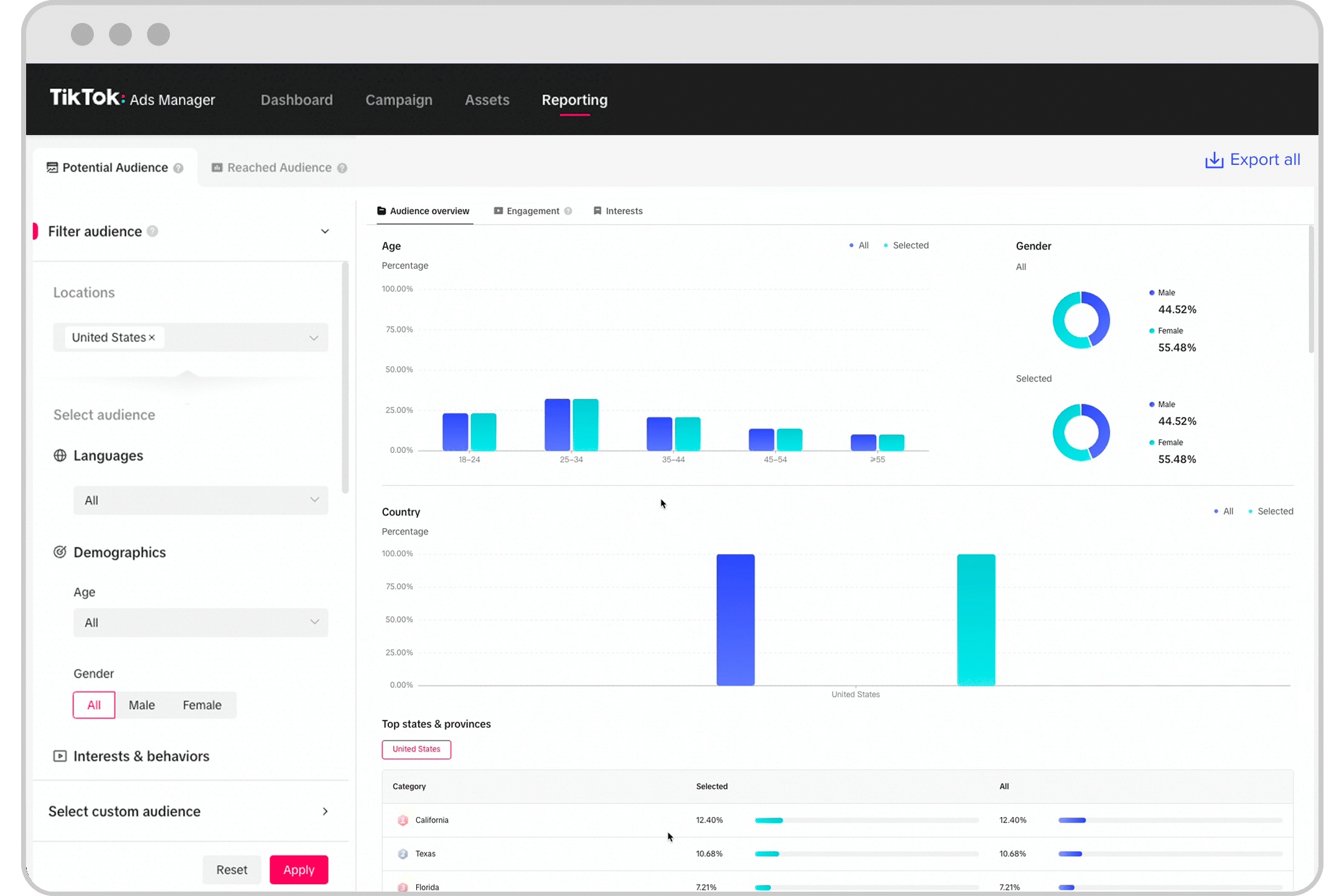
Several factors can influence the cost of your TikTok ads. Understanding these factors can help you optimize your budget and get the most out of your advertising spend.
- Ad Format and Placement: Different ad formats have varying costs. For example, in-feed ads are more budget-friendly than brand takeovers.
- Target Audience: The demographics and location of your target audience can affect ad costs. Some audiences may be more expensive to reach than others.
- Campaign Objectives: The goals of your campaign (e.g., brand awareness, conversions, traffic) can impact the cost. Conversion-focused campaigns may require a higher budget.
- Seasonal Trends and Competition: Ad prices can fluctuate based on seasonal trends and competition. For example, during peak shopping seasons, ad costs may increase.
By considering these factors, you can adjust your budget to align with your campaign goals and maximize your return on investment.
Creating a Budget Plan

Once you have a clear understanding of TikTok ad costs and the factors that influence them, it's time to create a budget plan. Here are some steps to follow:
- Define Your Campaign Goals: Determine what you want to achieve with your TikTok ads. Are you looking to increase brand awareness, drive traffic to your website, or generate leads?
- Set a Realistic Budget: Based on your goals and the minimum requirements, set a budget that aligns with your overall marketing strategy.
- Choose the Right Ad Formats: Select the ad formats that best suit your goals and budget. For example, if you're targeting a broad audience, in-feed ads may be the best choice.
- Monitor and Adjust: Regularly monitor your campaign performance and adjust your budget as needed. Use TikTok's analytics tools to track your results and make data-driven decisions.
By following these steps, you can create a budget plan that helps you achieve your marketing goals while staying within your financial constraints.
Optimizing Your Budget
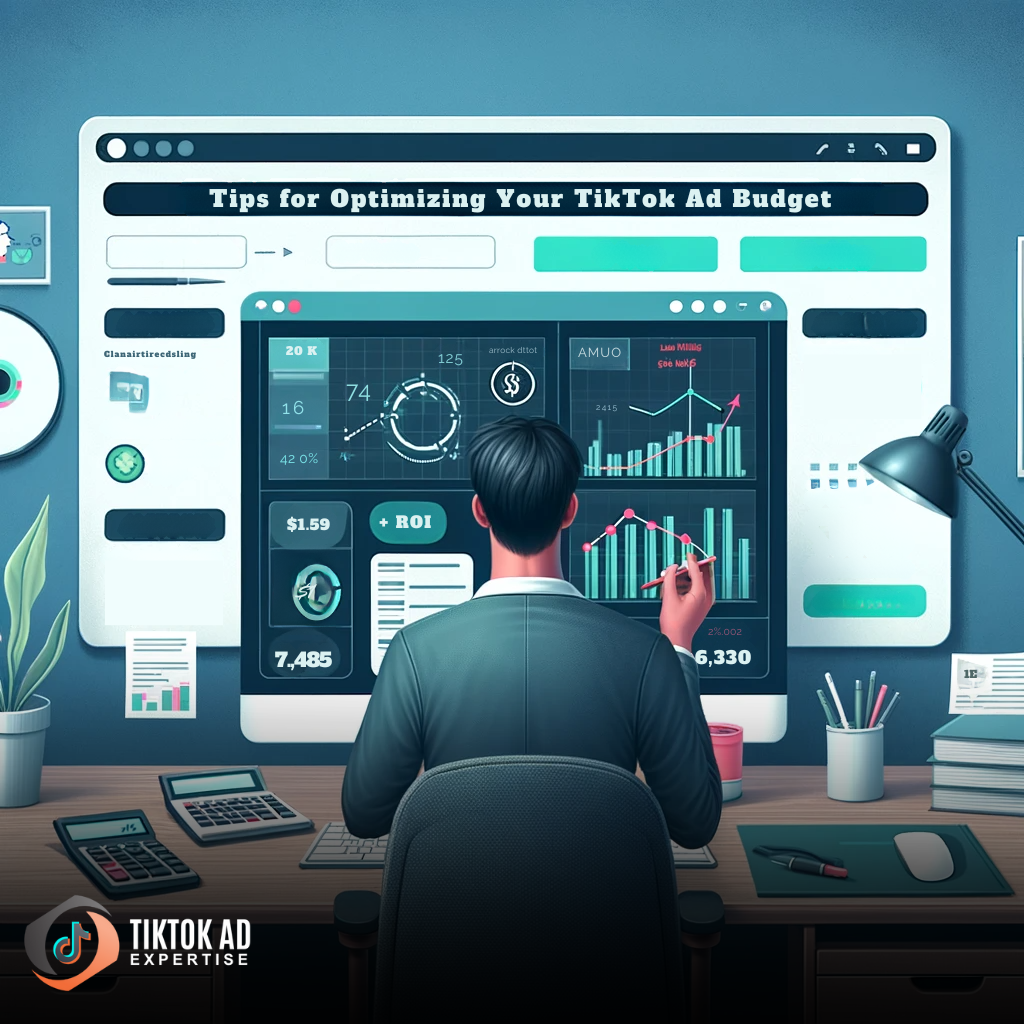
To get the most out of your TikTok ad budget, consider the following optimization strategies:
- Use Automatic Bidding: Automatic bidding allows TikTok to optimize your ad spend based on your campaign goals. This can help you achieve better results without manually adjusting your bids.
- Leverage Influencer Partnerships: Partnering with influencers can help you reach a larger audience at a lower cost. Nano-influencers, in particular, offer a cost-effective way to promote your brand.
- Test Different Ad Formats: Experiment with different ad formats to see which ones perform best for your campaign. This can help you identify the most effective strategies and allocate your budget accordingly.
- Utilize TikTok's Analytics: Use TikTok's built-in analytics tools to track your campaign performance and make informed decisions about your budget.
By implementing these strategies, you can maximize the effectiveness of your TikTok ad budget and achieve better results.
Conclusion
Creating an effective TikTok ad budget plan in 2024 requires a combination of research, strategy, and optimization. By understanding the costs associated with different ad formats, setting a realistic budget, and leveraging TikTok's analytics tools, you can create a budget plan that helps you achieve your marketing goals. Remember to monitor your campaign performance regularly and adjust your budget as needed to stay on track. With the right approach, TikTok can be a powerful tool for reaching your target audience and driving business growth.

Posting Komentar untuk "How to Create an Effective TikTok Ad Budget Plan in 2024"
Posting Komentar