
In-Depth TikTok Ad Campaign Analysis: What Works in 2024
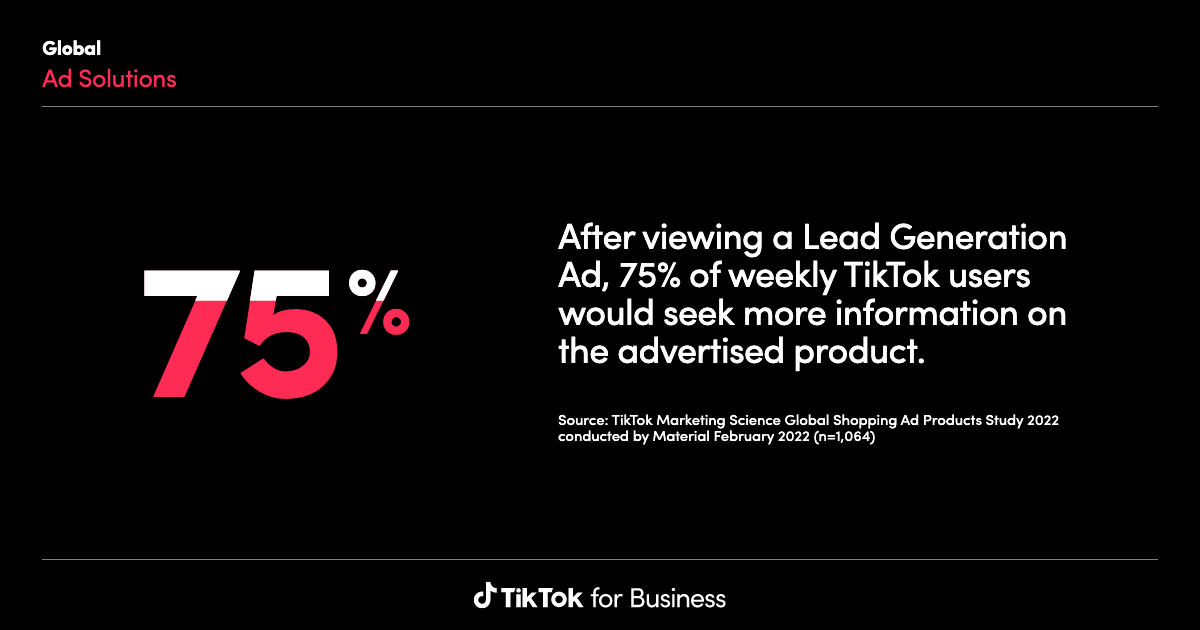
TikTok has rapidly evolved from a social media platform for short-form videos into a powerful advertising tool. With over 1 billion active users, the platform offers brands a unique opportunity to connect with a vast and engaged audience. As of 2024, TikTok's ad campaign strategies have become more sophisticated, leveraging advanced targeting options, creative formats, and data-driven insights. This article provides an in-depth analysis of what works in TikTok ad campaigns this year.
Understanding TikTok’s Advertising Structure

TikTok’s advertising structure is designed to be user-friendly and effective. It includes three main components: campaigns, ad groups, and ads. Each level serves a specific purpose in the advertising process.
-
Campaigns: These are the top-level structures that define the objective of your ad, such as driving traffic, increasing app installs, or boosting brand awareness. You can set a budget for the entire campaign, which can be daily, lifetime, or limitless.
-
Ad Groups: Within each campaign, you create ad groups to further refine your targeting and ad settings. Ad groups allow you to choose specific placements, set budgets, and optimize for different goals like clicks, conversions, or impressions.
-
Ads: These are the actual advertisements that users see. They can be video or image-based and include elements like call-to-action buttons, captions, and hashtags.
Key Ad Formats That Work in 2024

TikTok offers a variety of ad formats, each with its own strengths and use cases. Here are some of the most effective ones in 2024:
-
In-Feed Ads: These appear in users' "For You" feed and are ideal for engaging audiences with short, compelling content. They can last up to 60 seconds but are most effective when kept under 15 seconds.
-
TopView Ads: These are full-screen ads that play when users open the app. They are perfect for creating a strong first impression and are best used for high-impact messages.
-
Brand Takeover: These are full-screen ads that appear immediately when users open the app. They are limited to one per day and are great for launching new products or campaigns.
-
Hashtag Challenges: Encouraging user-generated content through challenges is a powerful way to boost engagement. Brands like e.l.f. Cosmetics and Marc Jacobs have successfully used this format.
-
Branded Effects: Custom AR filters and effects allow users to interact with your brand in a fun and creative way. These are particularly effective for younger audiences.
Best Practices for Creating Effective TikTok Ad Campaigns
Creating a successful TikTok ad campaign requires a blend of creativity, strategy, and data-driven decisions. Here are some best practices to consider:
-
Leverage User-Generated Content (UGC): Encourage users to create content around your brand. UGC not only drives engagement but also builds trust and authenticity.
-
Focus on Short-Form Educational Content: Short, informative videos that provide value to your audience can help position your brand as an authority in your industry.
-
Collaborate with Micro-Influencers: Partnering with micro-influencers who have highly engaged followers can be cost-effective and drive higher engagement rates.
-
Use Augmented Reality (AR) Effects: Custom AR filters and effects can enhance user interaction and make your brand more memorable.
-
Optimize for Mobile: Since TikTok is primarily accessed via mobile devices, ensure your ads are optimized for mobile viewing.
The Role of Data and Analytics in TikTok Advertising
Data and analytics play a crucial role in the success of TikTok ad campaigns. By analyzing performance metrics, you can gain valuable insights into what works and what doesn’t. Key metrics to track include:
- Engagement Rate: Measures how users interact with your ads (likes, comments, shares).
- Click-Through Rate (CTR): Indicates how many users click on your ad after seeing it.
- Conversion Rate: Tracks how many users take a desired action, such as making a purchase or signing up for a newsletter.
- Return on Ad Spend (ROAS): Measures the revenue generated from your ad spend.
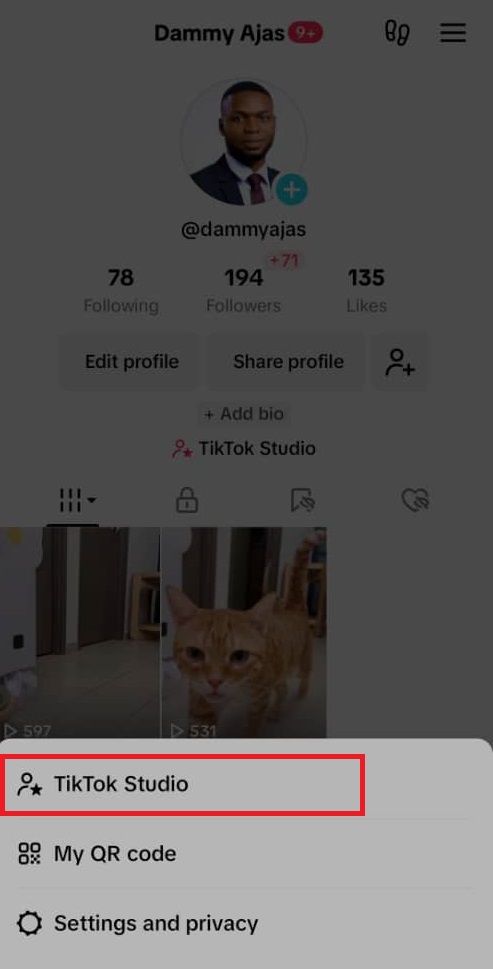
Using TikTok’s built-in analytics tools, you can monitor these metrics and adjust your campaigns accordingly. Additionally, integrating with third-party tools like LeadsBridge can help automate lead generation and improve overall campaign efficiency.
Conclusion
TikTok continues to be a dynamic and evolving platform for advertisers. With the right strategies, creative formats, and data-driven insights, brands can effectively reach and engage their target audience. As of 2024, the key to success lies in understanding the platform’s unique features, leveraging user-generated content, and staying ahead of the trends. By following these best practices and continuously optimizing your campaigns, you can maximize the impact of your TikTok advertising efforts and achieve your marketing goals.

Posting Komentar untuk "In-Depth TikTok Ad Campaign Analysis: What Works in 2024"
Posting Komentar